
 “Parkinson’s disease (PD) is a neurodegenerative disease and its characteristic is the progressive degeneration of dopaminergic neurons within the substantia nigra (SN) of the midbrain. There is hardly any clinically proven efficient therapeutics for its cure in several recent preclinical advances proposed to treat PD.
Recent studies have found that the endocannabinoid signaling system in particular the comprised two receptors, CB1 and CB2 receptors, has a significant regulatory function in basal ganglia and is involved in the pathogenesis of PD. Therefore, adding new insights into the biochemical interactions between cannabinoids and other signaling pathways may help develop new pharmacological strategies.
Factors of the endocannabinoid system (ECS) are abundantly expressed in the neural circuits of basal ganglia, where they interact interactively with glutamatergic, γ-aminobutyric acid-ergic (GABAergic), and dopaminergic signaling systems. Although preclinical studies on PD are promising, the use of cannabinoids at the clinical level has not been thoroughly studied.
In this review, we evaluated the available evidence and reviewed the involvement of ECS in etiologies, symptoms and treatments related to PD. Since CB1 and CB2 receptors are the two main receptors of endocannabinoids, we primarily put the focus on the therapeutic role of CB1 and CB2 receptors in PD. We will try to determine future research clues that will help understand the potential therapeutic benefits of the ECS in the treatment of PD, aiming to open up new strategies and ideas for the treatment of PD.”
https://www.ncbi.nlm.nih.gov/pubmed/31442553
https://www.sciencedirect.com/science/article/pii/S0278584619302210?via%3Dihub
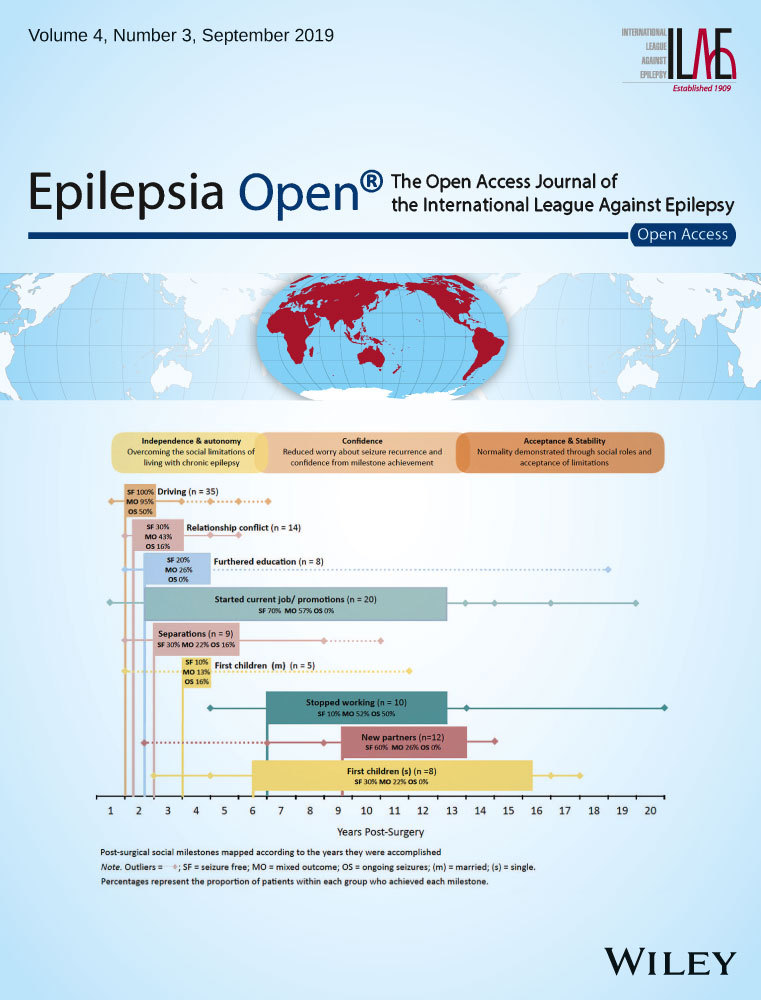 “C57BL/6J mice infected with Theiler’s murine encephalomyelitis virus (TMEV) develop acute behavioral seizures in the first week of infection and later develop chronic epilepsy. The TMEV model provides a useful platform to test novel antiseizure therapeutics.
 “Mixtures of different Cannabis sativa phytocannabinoids are more active biologically than single phytocannabinoids. However, cannabis terpenoids as potential instigators of phytocannabinoid activity have not yet been explored in detail.
 “Among the assisted reproductive techniques, the in vitro maturation of oocytes (IVM) is less developed than other techniques, but its implementation would entail a qualitative advance.
 “Small molecules targeting peripheral CB1 receptors have therapeutic potential in a variety of disorders including obesity-related, hormonal and metabolic abnormalities, while avoiding the psychoactive effects in the CNS.
 “Cannabidiol (CBD) containing products are available in a plethora of flavors including oral, sublingual, and inhalable forms. Immunotoxicological effects of CBD containing liquids were assessed by hypothesizing that CBD regulates oxidative stress and lipopolysaccharide (LPS) induced inflammatory responses in macrophages, epithelial cells, and fibroblasts.
 “Cocaine abuse continues to be a serious health problem worldwide. Despite intense research there is currently no FDA-approved medication to treat cocaine use disorder. The recent search has been focused on agents targeting primarily the dopamine system, while limited success has been achieved at the clinical level.

 “The prior medical literature offers little guidance as to how pain relief and side effect manifestation may vary across commonly used and commercially available cannabis product types. We used the largest dataset in the United States of real-time responses to and side effect reporting from patient-directed cannabis consumption sessions for the treatment of pain under naturalistic conditions in order to identify how cannabis affects momentary pain intensity levels and which product characteristics are the best predictors of therapeutic pain relief.
 “Δ9-Tetrahydrocannabinol (THC, a CB1 receptor agonist) and Cannabidiol (CBD, a non-competitive antagonist of endogenous CB1 and CB2 ligands) are two primary components of Cannabis species, and may modulate fear learning in mammals.