“Extracts from the cannabis plant can dramatically improve the health of children suffering from refractory epilepsies such as Dravet syndrome.
These extracts typically contain cannabidiol (CBD), a phytocannabinoid with well-documented anticonvulsant effects, but may also contain Δ9 -tetrahydrocannabinol (Δ9 -THC). It is unclear whether the presence of Δ9 -THC modulates the anticonvulsant efficacy of CBD. Here we utilized the Scn1a+/- mouse model of Dravet syndrome to examine this question.
Key results: Administered alone, CBD (100 mg/kg i.p.) was anticonvulsant against hyperthermia-induced seizures as were low (0.1 and 0.3 mg/kg i.p.) but not higher doses of Δ9 -THC. A subthreshold dose of CBD (12 mg/kg) enhanced the anticonvulsant effects Δ9 -THC (0.1 mg/kg). Subchronic oral administration of Δ9 -THC or CBD alone did not affect spontaneous seizure frequency or mortality while, surprisingly, their co-administration increased the severity of spontaneous seizures and overall mortality.
Conclusion and implications: Low doses of Δ9 -THC are anticonvulsant against hyperthermia-induced seizures in Scn1a+/ mice, effects that are enhanced by a sub-anticonvulsant dose of CBD. However, proconvulsant effects and increased premature mortality are observed when CBD and Δ9 -THC are subchronically dosed in combination. The possible explanations and implications of this are discussed.”
https://pubmed.ncbi.nlm.nih.gov/32608111/
https://bpspubs.onlinelibrary.wiley.com/doi/abs/10.1111/bph.15181
 “Scientific research on how consumption of whole, natural Cannabis flower affects low mood and behavioral motivations more generally is largely nonexistent, and few studies to date have measured how common and commercially available Cannabis flower used in vivo may affect the experience of “depression” in real-time.
 “Genus Cannabis belong to family Cannabaceae and is traditionally used as medicinal plant against many diseases notably asthma, malaria, treatment of skin diseases, diabetes and headache. The plant Cannabis sativa L. is flowering and an annual herbaceous plant located to eastern Asia but now of cosmopolitan distribution due to extensive cultivation.
 “Studies have reported changes in the endocannabinoid system in the brain of patients with Alzheimer’s disease (AD), playing a role in the pathophysiology of AD. Cannabinoids have been shown to have neuroprotective properties, reduce neuroinflammation, and enhance neurogenesis. Evidence suggests that the utilization of marijuana products containing both tetrahydrocannabinol (THC) and cannabidiol (CBD) or CBD alone have been effective and safe for use in older people with agitation associated with dementia.
 “The seed of the hemp plant (Cannabis sativa L.) has been revered as a nutritional resource in Old World Cultures. This has been confirmed by contemporary science wherein hempseed oil (HSO) was found to exhibit a desirable ratio of omega-6 and omega-3 polyunsaturated fatty acids (PUFAs) considered optimal for human nutrition. HSO also contains gamma-linoleic acid (GLA) and non-psychoactive cannabinoids, which further contribute to its’ potential bioactive properties. Herein, we present the kinetics of the thermal stability of these nutraceutical compounds in HSO, in the presence of various antioxidants (e.g. butylated hydroxytoluene, alpha-tocopherol, and ascorbyl palmitate). We focussed on oxidative changes in fatty acid profile and acidic cannabinoid stability when HSO was heated at different temperatures (25 °C to 85 °C) for upto 24 h. The fatty acid composition was evaluated using both GC/MS and 1H-NMR, and the cannabinoids profile of HSO was obtained using both HPLC-UV and HPLC/MS methods. The predicted half-life (DT50) for omega-6 and omega-3 PUFAs in HSO at 25 °C was about 3 and 5 days, respectively; while that at 85 °C was about 7 and 5 hours respectively, with respective activation energies (Ea) being 54.78 ± 2.36 and 45.02 ± 2.87 kJ/mol. Analysis of the conjugated diene hydroperoxides (CDH) and p-Anisidine value (p-AV) revealed that the addition of antioxidants significantly (p < 0.05) limited lipid peroxidation of HSO in samples incubated at 25-85 °C for 24 h. Antioxidants reduced the degradation constant (k) of PUFAs in HSO by upto 79%. This corresponded to a significant (p < 0.05) increase in color stability and pigment retention (chlorophyll a, chlorophyll b and carotenoids) of heated HSO. Regarding the decarboxylation kinetics of cannabidiolic acid (CBDA) in HSO, at both 70 °C and 85 °C, CBDA decarboxylation led to predominantly cannabidiol (CBD) production. The half-life of CBDA decarboxylation (originally 4 days) could be increased to about 17 days using tocopherol as an antioxidant. We propose that determining acidic cannabinoids decarboxylation kinetics is a useful marker to measure the shelf-life of HSO. The results from the study will be useful for researchers looking into the thermal treatment of hempseed oil as a functional food product, and those interested in the decarboxylation kinetics of the acidic cannabinoids.”
 “The efficacy of cannabidiol (CBD) with and without concomitant clobazam (CLB) was evaluated in stratified analyses of four large randomized controlled trials, two in Lennox-Gastaut syndrome and two in Dravet syndrome.
 “The Cannabis plant contains numerous components, including cannabinoids and other active molecules. The phyto-cannabinoid activity is mediated by the endocannabinoid system. Cannabinoids affect the nervous system and play significant roles in the regulation of the immune system.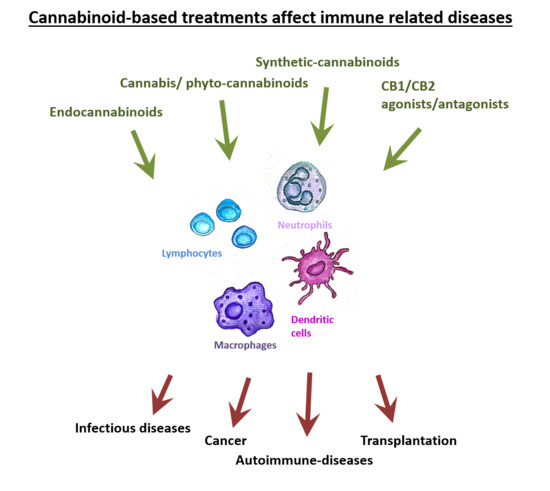
 “Current antiepileptic drugs (AEDs) are undesirable for many reasons including the inability to reduce seizures in certain types of epilepsy, such as Dravet syndrome (DS) where in one-third of patients does not respond to current AEDs, and severe adverse effects that are frequently experienced by patients.
 “Objective: To determine whether cannabis may reduce HIV-related persistent inflammation, we evaluated the relationship of cannabis use in people with HIV (PWH) to inflammatory cytokines in CSF and blood plasma.