“The anticancer effects of the omega-3 long chain polyunsaturated fatty acids (LCPUFA), EPA and DHA may be due, at least in part, to conversion to their respective endocannabinoid derivatives, eicosapentaenoyl-ethanolamine (EPEA) and docosahexaenoyl-ethanolamine (DHEA).
Here, the effects of EPEA and DHEA and their parent compounds, EPA and DHA, on breast cancer (BC) cell function was examined. EPEA and DHEA exhibited greater anti-cancer effects than EPA and DHA in two BC cells (MCF-7 and MDA-MB-231) whilst displaying no effect in non-malignant breast cells (MCF-10a).
Both BC lines expressed CB1/2 receptors that were responsible, at least partly, for the observed anti-proliferative effects of the omega-3 endocannabinoids as determined by receptor antagonism studies. Additionally, major signalling mechanisms elicited by these CB ligands included altered phosphorylation of p38-MAPK, JNK, and ERK proteins.
Both LCPUFAs and their endocannabinoids attenuated the expression of signal proteins in BC cells, albeit to different extents depending on cell type and lipid effectors. These signal proteins are implicated in apoptosis and attenuation of BC cell migration and invasiveness.
Furthermore, only DHA reduced in vitro MDA-MB-231 migration whereas both LCPUFAs and their endocannabinoids significantly inhibited invasiveness. This finding was consistent with reduced integrin β3 expression observed with all treatments and reduced MMP-1 and VEGF with DHA treatment.
Attenuation of cell viability, migration and invasion of malignant cells indicates a potential adjunct nutritional therapeutic use of these LCPUFAs and/or their endocannabinoids in treatment of breast cancer.”
https://www.ncbi.nlm.nih.gov/pubmed/31679810
https://www.plefa.com/article/S0952-3278(19)30112-7/fulltext
 “L-dopa induced dyskinesia (LID) is a debilitating side-effect of the primary treatment used in Parkinson’s disease (PD), l-dopa. Here we investigate the effect of HU-308, a
  “Cannabidiol (CBD) has been shown by our laboratory to attenuate experimental autoimmune encephalomyelitis (EAE), an animal model of multiple sclerosis (MS).
 “Hypercholesterolemia (HC) is a major risk factor for cardiovascular (CV) diseases, that are the major cause of mortality worldwide.
 “Prostate cancer patients receiving androgen-deprivation therapy (ADT) often experience a combination of disease symptoms and treatment side effects. The therapeutic use of
  “The role of the endocannabinoid system in stress-related psychiatric symptoms has been investigated in many animal and human studies.
 “The CB1 receptor mediates the central nervous system response to cannabinoids, and is a drug target for pain, anxiety and seizures.
 “Bone cancer pain (BCP) is a severe complication of advanced bone cancer.
 “Hemp (Cannabis sativa L.) is an eco‐friendly and multifunctional plant. Hemp hurd is a by‐product of hemp plant during hemp fiber separation. Although hemp hurd is repeatedly announced owing antibacterial activity, it has never been systematically investigated and reported. In this study, the antibacterial activity of hemp hurd powder against Escherichia coli is investigated. This article reveals antibacterial activity of hemp hurd where hemp hurd powder inhibits the growth of E. coli. Meanwhile, the self‐contamination (forming during retting process) inside hemp hurd has dramatic impact on the antibacterial performance. To achieve better antibacterial activity, hemp hurd was heat treated to eliminate self‐contaminations. The impact of the particle sizes and heat treatment on the antibacterial effectiveness was evaluated.”
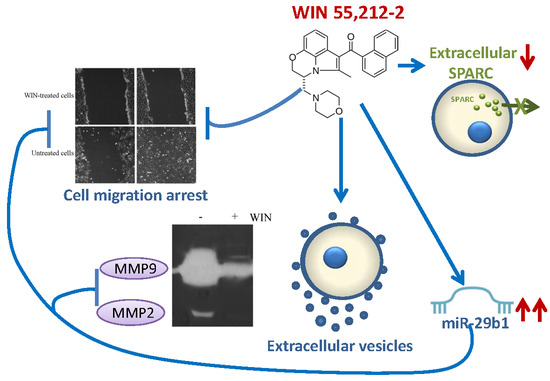
 “WIN55,212-2 (WIN) is a synthetic agonist of