
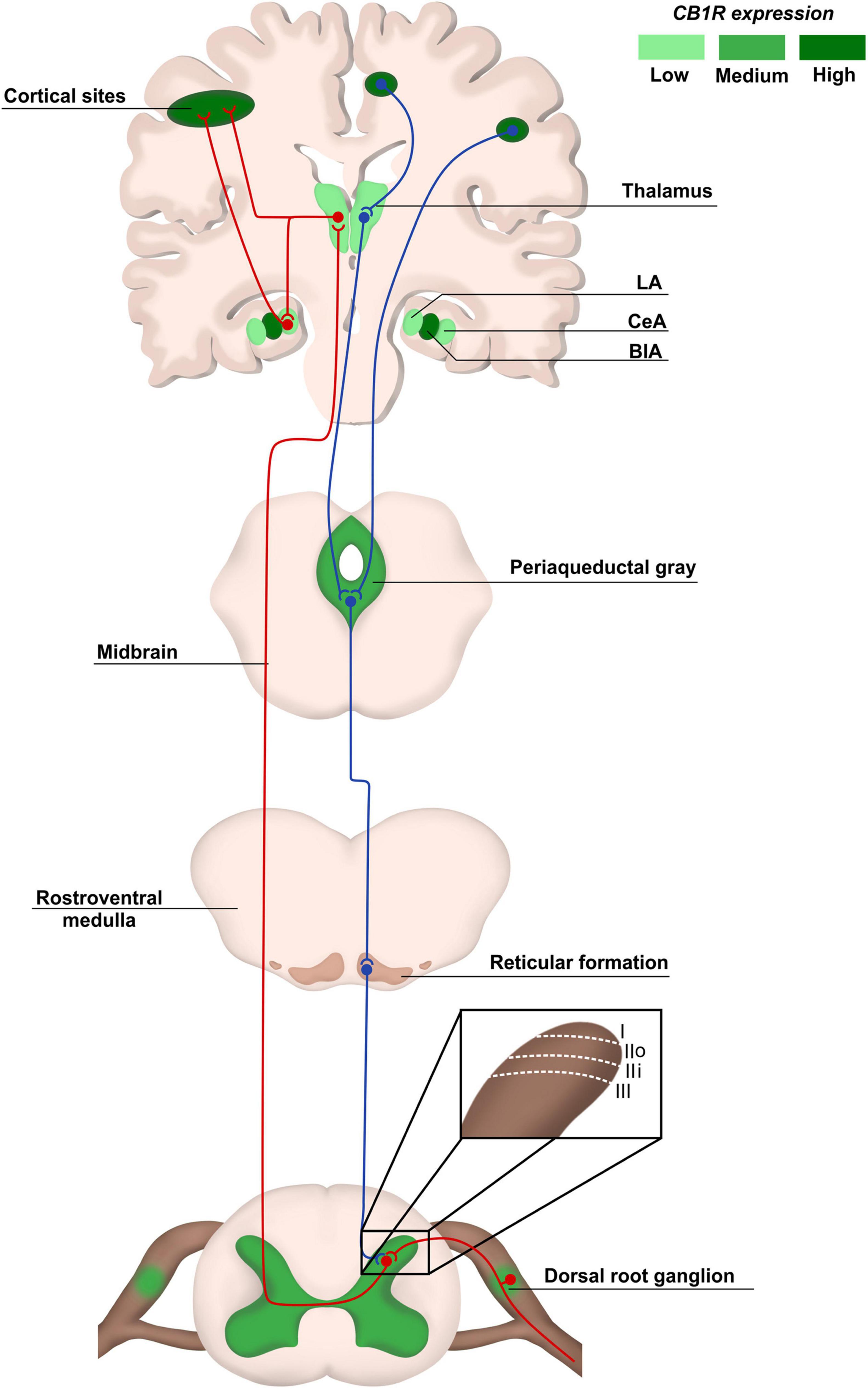
“The use of cannabis spans thousands of years and encompasses almost all dimensions of the human experience, including consumption for recreational, religious, social, and medicinal purposes. Its use in the management of pain has been anecdotally described for millennia. However, an evidence base has only developed over the last 100 years, with an explosion in research occurring in the last 20-30 years, as more states in the USA as well as countries worldwide have legalized and encouraged its use in pain management. Pain remains one of the most common reasons for individuals deciding to use cannabis medicinally. However, cannabis remains illegal at the federal level in the USA and in most countries of the world, making it difficult to advance quality research on its efficacy for pain treatment. Nonetheless, new products derived both from the cannabis plant and the chemistry laboratory are being developed for use as analgesics. This review examines the current landscape of cannabinoids research and future research directions in the management of pain.”
https://pubmed.ncbi.nlm.nih.gov/35534020/
https://rapm.bmj.com/content/early/2022/05/08/rapm-2021-103109

 “In response to the need of more rigorous data on medical cannabis and chronic pain, we conducted a 3-month prospective study incorporating ecological momentary assessment (EMA) to examine the effects of medical cannabis on pain, anxiety/depression, sleep, and quality of life.