Dronabinol Is a Safe Long-Term Treatment Option for Neuropathic Pain Patients.

Logo European Neurology

“Treatment of neuropathic pain (NP) symptoms associated with multiple sclerosis (MS) is frequently insufficient. Yet, cannabis is still rarely offered for treatment of pain. This clinical trial aimed at showing the positive benefit-risk ratio of dronabinol. Two hundred forty MS patients with central NP entered a 16-weeks placebo-controlled phase-III study followed by a 32-weeks open-label period. One hundred patients continued therapy for overall up to 119 weeks. Primary endpoint was change of pain intensity on the 11-point Numerical Rating Scale over a 16-weeks treatment period. Safety was assessed on the basis of adverse reactions (ARs), signs of dependency and abuse. Pain intensity during 16-weeks dronabinol and placebo treatment was reduced by 1.92 and 1.81 points without significant difference in between (p = 0.676). Although the proportion of patients with ARs was higher under dronabinol compared to placebo (50.0 vs. 25.9%), it decreased during long-term use of dronabinol (26%). No signs of drug abuse and only one possible case of dependency occurred. The trial results demonstrate that dronabinol is a safe long-term treatment option.” https://www.ncbi.nlm.nih.gov/pubmed/29073592

“Overall, this trial demonstrated the long-lasting therapeutic potential, the good tolerability and favourable safety profile of dronabinol – especially in terms of drug abuse and dependency. Based on the presented results, there is no special focus on the harm caused by dronabinol treatment. Although the statistical proof of efficacy for dronabinol versus placebo treatment is pending, physicians should consider the potential benefits of the multifactorial effects of dronabinol.” https://www.karger.com/Article/FullText/481089

Guanfacine Attenuates Adverse Effects of Dronabinol (THC) on Working Memory in Adolescent-Onset Heavy Cannabis Users: A Pilot Study.

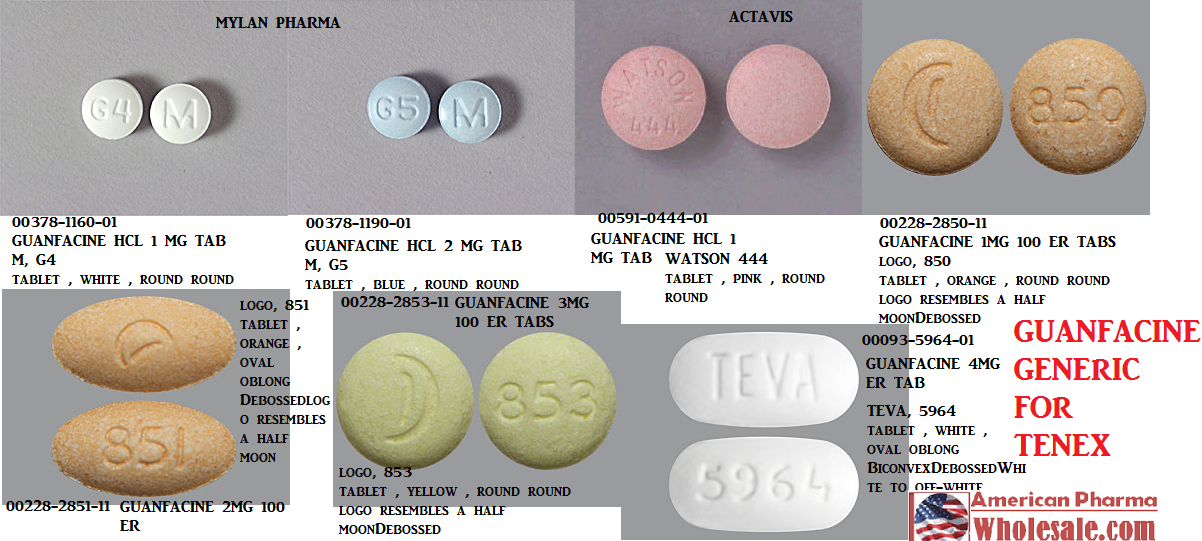
Image result for journal of neuropsychiatry and clinical neurosciences “The cannabinoid-1 receptor (CB1R) agonist Δ9-tetrahydrocannabinol (THC), the main psychoactive constituent of cannabis, adversely effects working memory performance in humans. The α2A-adrenoceptor (AR) agonist guanfacine improves working memory performance in humans. The authors aimed to determine the effects of short-term (6 days) treatment with guanfacine on adverse cognitive effects produced by THC. Employing a double-blind, placebo-controlled crossover design, the cognitive, subjective, and cardiovascular effects produced by oral THC (20 mg) administration were determined twice in the same cannabis users: once after treatment with placebo and once after treatment with guanfacine (3 mg/day). Although THC increased visual analog scores of subjective effects and heart rate, these increases were similar during treatment with placebo and guanfacine. THC did not significantly affect performance of a recognition memory task or blood pressure while individuals were maintained on either treatment. Although preliminary, these results suggest that guanfacine warrants further testing as a potential treatment for cannabis-induced cognitive deficits.” https://www.ncbi.nlm.nih.gov/pubmed/28641496   http://neuro.psychiatryonline.org/doi/10.1176/appi.neuropsych.16120328 “Guanfacine (brand name EstulicTenex and the extended release Intuniv; not to be confused with guaifenesin, an expectorant) is a sympatholytic drug used in the treatment of attention deficit hyperactivity disorder (ADHD), anxiety, and hypertension. It is a selective α2A receptor agonist https://en.wikipedia.org/wiki/Guanfacine Related image
]]>