Cannabinoid CB 2 Receptors Modulate Microglia Function and Amyloid Dynamics in a Mouse Model of Alzheimer’s Disease

Frontiers in Pharmacology welcomes new Field Chief Editor – Science &  research news | Frontiers

“The distribution and roles of the cannabinoid CB2 receptor in the CNS are still a matter of debate. Recent data suggest that, in addition to its presence in microglial cells, the CB2 receptor may be also expressed at low levels, yet biologically relevant, in other cell types such as neurons. It is accepted that the expression of CB2 receptors in the CNS is low under physiological conditions and is significantly elevated in chronic neuroinflammatory states associated with neurodegenerative diseases such as Alzheimer’s disease. By using a novel mouse model (CB2 EGFP/f/f), we studied the distribution of cannabinoid CB2 receptors in the 5xFAD mouse model of Alzheimer’s disease (by generating 5xFAD/CB2 EGFP/f/f mice) and explored the roles of CB2 receptors in microglial function. We used a novel selective and brain penetrant CB2 receptor agonist (RO6866945) as well as mice lacking the CB2 receptor (5xFAD/CB2 -/-) for these studies. We found that CB2 receptors are expressed in dystrophic neurite-associated microglia and that their modulation modifies the number and activity of microglial cells as well as the metabolism of the insoluble form of the amyloid peptide. These results support microglial CB2 receptors as potential targets for the development of amyloid-modulating therapies.”

https://pubmed.ncbi.nlm.nih.gov/35645832/

“These data thus suggest a role for microglial cannabinoid CB2 receptors in the initiation, maintenance and removal of plaques and open new venues for the microglia-based therapeutic approaches in AD.”

https://www.frontiersin.org/articles/10.3389/fphar.2022.841766/full

Exploration of Multiverse Activities of Endocannabinoids in Biological Systems

ijms-logo

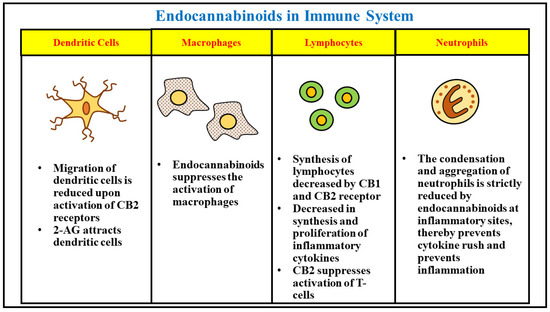
“Over the last 25 years, the human endocannabinoid system (ECS) has come into the limelight as an imperative neuro-modulatory system. It is mainly comprised of endogenous cannabinoid (endocannabinoid), cannabinoid receptors and the associated enzymes accountable for its synthesis and deterioration. The ECS plays a proven role in the management of several neurological, cardiovascular, immunological, and other relevant chronic conditions. Endocannabinoid or endogenous cannabinoid are endogenous lipid molecules which connect with cannabinoid receptors and impose a fashionable impact on the behavior and physiological processes of the individual. Arachidonoyl ethanolamide or Anandamide and 2-arachidonoyl glycerol or 2-AG were the endocannabinoid molecules that were first characterized and discovered. The presence of lipid membranes in the precursor molecules is the characteristic feature of endocannabinoids. The endocannabinoids are released upon rapid enzymatic reactions into the extracellular space via activation through G-protein coupled receptors, which is contradictory to other neurotransmitter that are synthesized beforehand, and stock up into the synaptic vesicles. The current review highlights the functioning, synthesis, and degradation of endocannabinoid, and explains its functioning in biological systems.”

https://pubmed.ncbi.nlm.nih.gov/35628545/

https://www.mdpi.com/1422-0067/23/10/5734


Modulation of Endocannabinoid System Components in Depression: Pre-Clinical and Clinical Evidence

ijms-logo

“Depression is characterized by continuous low mood and loss of interest or pleasure in enjoyable activities. First-line medications for mood disorders mostly target the monoaminergic system; however, many patients do not find relief with these medications, and those who do suffer from negative side effects and a discouragingly low rate of remission.

Studies suggest that the endocannabinoid system (ECS) may be involved in the etiology of depression and that targeting the ECS has the potential to alleviate depression.

ECS components (such as receptors, endocannabinoid ligands, and degrading enzymes) are key neuromodulators in motivation and cognition as well as in the regulation of stress and emotions. Studies in depressed patients and in animal models for depression have reported deficits in ECS components, which is motivating researchers to identify potential diagnostic and therapeutic biomarkers within the ECS. By understanding the effects of cannabinoids on ECS components in depression, we enhance our understanding of which brain targets they hit, what biological processes they alter, and eventually how to use this information to design better therapeutic options.

In this article, we discuss the literature on the effects of cannabinoids on ECS components of specific depression-like behaviors and phenotypes in rodents and then describe the findings in depressed patients. A better understanding of the effects of cannabinoids on ECS components in depression may direct future research efforts to enhance diagnosis and treatment.”

https://pubmed.ncbi.nlm.nih.gov/35628337/

https://www.mdpi.com/1422-0067/23/10/5526

Comparative study of CNR1 and CNR2 cannabinoid receptors expression levels in COVID-19 patients with and without diabetes mellitus: Recommendations for future research targets

Diabetes & Metabolic Syndrome: Clinical Research & Reviews

“Background and aims: The COVID-19 pandemic has prompted researchers to look for effective therapeutic targets. The effect of endocannabinoid system against infectious diseases is investigated for several years. In this study, we evaluated the expression level of CNR1 and CNR2 genes in patients with COVID-19 with and without diabetes to provide new insights regarding these receptors and their potential effect in COVID-19 disease.

Methods: In this study, peripheral blood monocytes cells (PBMCs) were isolated from eight different groups including COVID-19 patients, diabetic patients, and healthy individuals. RNA were extracted to evaluate the expression level of CNR1 and CNR2 genes using real-time PCR. The correlation between the expression levels of these genes in different groups were assessed.

Results: A total of 80 samples were divided into 8 groups, with each group consisting of ten samples. When comparing severe and moderate COVID-19 groups to healthy control group, the expression levels of the CNR1 and CNR2 genes were significantly higher in the severe and moderate COVID-19 groups. There were no significant differences between the mild COVID-19 group and the healthy control group. It was found that the expression levels of these genes in patients with diabetes who were infected with SARS-COV-2 did not differ across COVID-19 groups with varying severity, but they were significantly higher when compared to healthy controls.

Conclusion: Our study suggests the possible role of endocannabinoid system during SARS-COV-2 pathogenicity as the expression of CNR1 and CNR2 were elevated during the disease.”

https://pubmed.ncbi.nlm.nih.gov/35580523/

“In conclusion, the outcomes of this research supports the possible role of endocannabinoid system during SARS-COV-2 pathogenicity as the expression of CNR1 and CNR2 were elevated during the disease. Moreover, despite their limitations due to psychiatric side effects, the regulated use of cannabinoids should be examined by researchers to identify their potential effectiveness as a therapeutic target in COVID-19 disease.”

https://www.sciencedirect.com/science/article/pii/S1871402122001138?via%3Dihub

Synthesis and In Vitro Characterization of Selective Cannabinoid CB2 Receptor Agonists: Biological Evaluation against Neuroblastoma Cancer Cells

molecules-logo

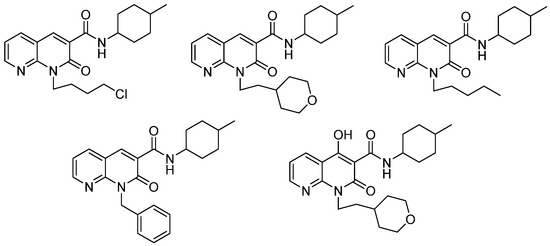
“1,8-naphthyridine-3-carboxamide structures were previously identified as a promising scaffold from which to obtain CB2R agonists with anticancer and anti-inflammatory activity. This work describes the synthesis and functional characterization of new 1,8-naphthyridin-2(1H)-one-3-carboxamides with high affinity and selectivity for CB2R. The new compounds were able to pharmacologically modulate the cAMP response without modulating CB2R-dependent β-arrestin2 recruitment. These structures were also evaluated for their anti-cancer activity against SH-SY5Y and SK-N-BE cells. They were able to reduce the cell viability of both neuroblastoma cancer cell lines with micromolar potency (IC50 of FG158a = 11.8 μM and FG160a = 13.2 μM in SH-SY5Y cells) by a CB2R-mediated mechanism. Finally, in SH-SY5Y cells one of the newly synthesized compounds, FG158a, was able to modulate ERK1/2 expression by a CB2R-mediated effect, thus suggesting that this signaling pathway might be involved in its potential anti-cancer effect.”

https://pubmed.ncbi.nlm.nih.gov/35566369/

https://www.mdpi.com/1420-3049/27/9/3019


The Role of Nutritional Status, Gastrointestinal Peptides, and Endocannabinoids in the Prognosis and Treatment of Children with Cancer

ijms-logo

“Neoplastic diseases in children are the second most frequent cause of death among the young. It is estimated that 400,000 children worldwide will be diagnosed with cancer each year. The nutritional status at diagnosis is a prognostic indicator and influences the treatment tolerance. Both malnutrition and obesity increase the risk of mortality and complications during treatment. It is necessary to constantly search for new factors that impair the nutritional status.

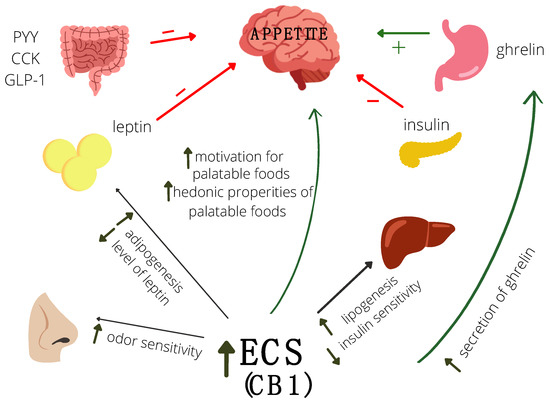
The endocannabinoid system (ECS) is a signaling system whose best-known function is regulating energy balance and food intake, but it also plays a role in pain control, embryogenesis, neurogenesis, learning, and the regulation of lipid and glucose metabolism. Its action is multidirectional, and its role is being discovered in an increasing number of diseases.

In adults, cannabinoids have been shown to have anti-cancer properties against breast and pancreatic cancer, melanoma, lymphoma, and brain tumors. Data on the importance of both the endocannabinoid system and synthetic cannabinoids are lacking in children with cancer.

This review highlights the role of nutritional status in the oncological treatment process, and describes the role of ECS and gastrointestinal peptides in regulating appetite. We also point to the need for research to evaluate the role of the endocannabinoid system in children with cancer, together with a prospective assessment of nutritional status during oncological treatment.”

https://pubmed.ncbi.nlm.nih.gov/35563548/

https://www.mdpi.com/1422-0067/23/9/5159


Efficacy of Δ9 -Tetrahydrocannabinol (THC) Alone or in Combination With a 1:1 Ratio of Cannabidiol (CBD) in Reversing the Spatial Learning Deficits in Old Mice

Logo of frontagineuro

“Decline in cognitive performance, an aspect of the normal aging process, is influenced by the endocannabinoid system (ECS). Cannabinoid receptor 1 (CB1) signaling diminishes with advancing age in specific brain regions that regulate learning and memory and abolishing CB1 receptor signaling accelerates cognitive aging in mice. We recently demonstrated that prolonged exposure to low dose (3 mg/kg/day) Δ9-tetrahydrocannabinol (THC) improved the cognitive performances in old mice on par with young untreated mice. Here we investigated the potential influence of cannabidiol (CBD) on this THC effect, because preclinical and clinical studies indicate that the combination of THC and CBD often exhibits an enhanced therapeutic effect compared to THC alone. We first tested the effectiveness of a lower dose (1 mg/kg/day) THC, and then the efficacy of the combination of THC and CBD in 1:1 ratio, same as in the clinically approved medicine Sativex®. Our findings reveal that a 1 mg/kg/day THC dose still effectively improved spatial learning in aged mice. However, a 1:1 combination of THC and CBD failed to do so. The presence of CBD induced temporal changes in THC metabolism ensuing in a transient elevation of blood THC levels. However, as CBD metabolizes, the inhibitory effect on THC metabolism was alleviated, causing a rapid clearance of THC. Thus, the beneficial effects of THC seemed to wane off more swiftly in the presence of CBD, due to these metabolic effects. The findings indicate that THC-treatment alone is more efficient to improve spatial learning in aged mice than the 1:1 combination of THC and CBD.”

https://www.ncbi.nlm.nih.gov/pmc/articles/PMC8435893/

“In conclusion, our observations indicate that 1 mg/kg/day THC dose is still effective in improving the spatial learning in aged mice. With regard to the efficacy, THC-alone has proved to be more efficient in improving spatial learning in aged mice than its 1:1 combination with CBD. However, the possibility of THC/CBD being efficient in other ratios or at the earliest time-points, like immediately after the treatment cease, cannot be negated. Possibly, reducing the dose of CBD may improve the efficacy of the THC/CBD combination.”

https://www.frontiersin.org/articles/10.3389/fnagi.2021.718850/full

Activation of cannabinoid receptors in breast cancer cells improves osteoblast viability in cancer-bone interaction model while reducing breast cancer cell survival and migration

Scientific Reports

“The endocannabinoid system has been postulated to help restrict cancer progression and maintain osteoblastic function during bone metastasis. Herein, the effects of cannabinoid receptor (CB) type 1 and 2 activation on breast cancer cell and osteoblast interaction were investigated by using ACEA and GW405833 as CB1 and CB2 agonists, respectively. Our results showed that breast cancer cell (MDA-MB-231)-derived conditioned media markedly decreased osteoblast-like UMR-106 cell viability. In contrast, media from MDA-MB-231 cells pre-treated with GW405833 improved UMR-106 cell viability. MDA-MB-231 cells were apparently more susceptible to both CB agonists than UMR-106 cells. Thereafter, we sought to answer the question as to how CB agonists reduced MDA-MB-231 cell virulence. Present data showed that co-activation of CB1 and CB2 exerted cytotoxic effects on MDA-MB-231 cells by increasing apoptotic cell death through suppression of the NF-κB signaling pathway in an ROS-independent mechanism. ACEA or GW405833 alone or in combination also inhibited MDA-MB-231 cell migration. Thus, it can be concluded that the endocannabinoid system is able to provide protection during breast cancer bone metastasis by interfering cancer and bone cell interaction as well as by the direct suppression of cancer cell growth and migration.”

https://pubmed.ncbi.nlm.nih.gov/35513484/

“In conclusions, we have demonstrated that the ECS—which was present in bone microenvironment—provided a protection against breast cancer bone metastasis and its negative consequence on bone cell survival. Specifically, CB agonists, especially CB2 agonist, was able to prevent breast cancer-induced osteoblast suppression. Each of the two CB agonists or a combination of both could reduce breast cancer cell survival and migration through the NF-κB-dependent pathway. “

https://www.nature.com/articles/s41598-022-11116-9


Cannabinoid Therapeutics in Chronic Neuropathic Pain: From Animal Research to Human Treatment

Frontiers Logo

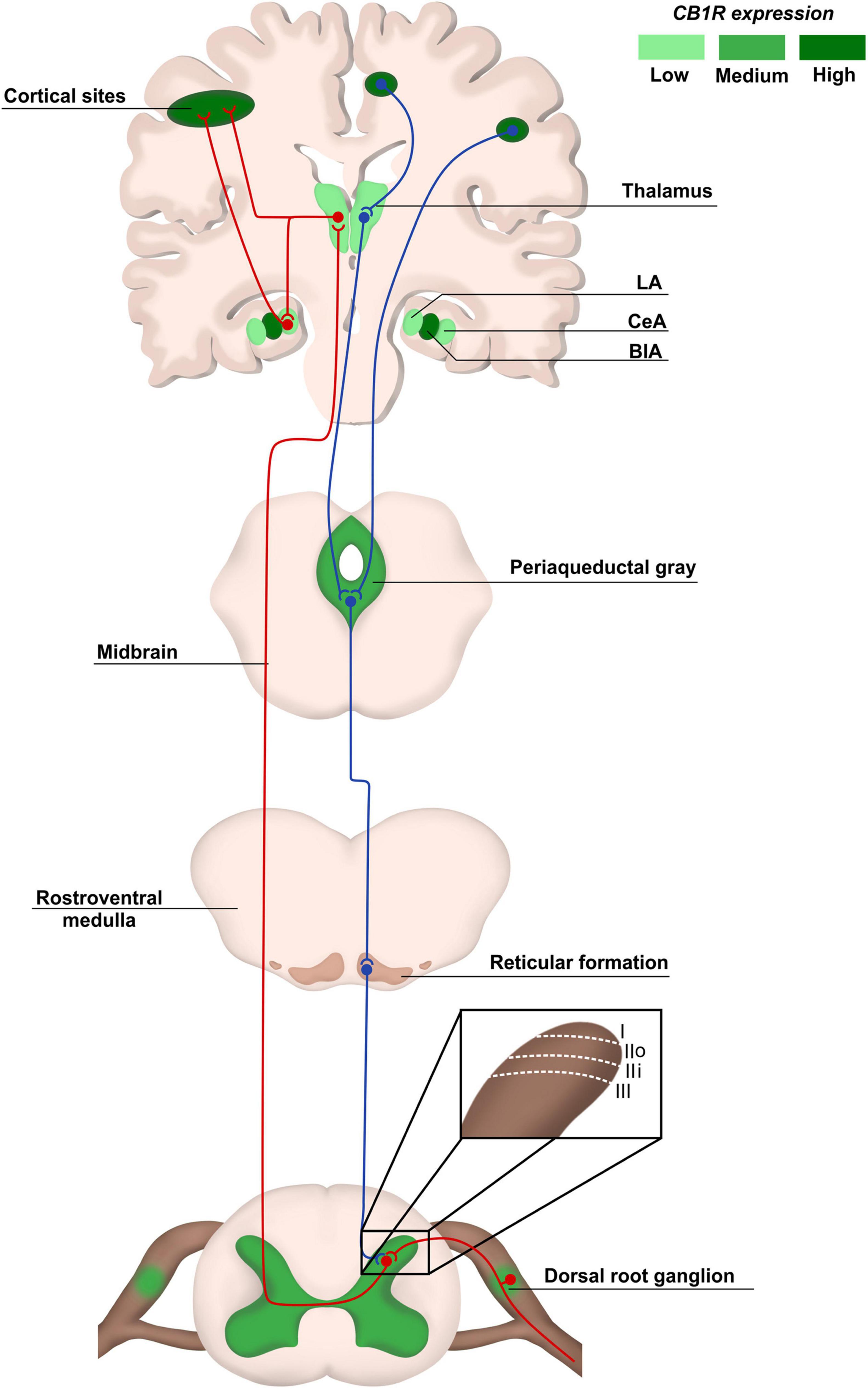
“Despite the importance of pain as a warning physiological system, chronic neuropathic pain is frequently caused by damage in the nervous system, followed by persistence over a long period, even in the absence of dangerous stimuli or after healing of injuries. Chronic neuropathic pain affects hundreds of millions of adults worldwide, creating a direct impact on quality of life. This pathology has been extensively characterized concerning its cellular and molecular mechanisms, and the endocannabinoid system (eCS) is widely recognized as pivotal in the development of chronic neuropathic pain. Scientific evidence has supported that phyto-, synthetic and endocannabinoids are efficient for pain management, while strong data arise from the therapeutic use of Cannabis-derived products. The use of medicinal Cannabis products is directed toward not only relieving symptoms of chronic pain, but also improving several aspects of patients’ welfare. Here, we review the involvement of eCS, along with other cellular and molecular elements, in chronic neuropathic pain pathology and how this system can be targeted for pain management.”

https://pubmed.ncbi.nlm.nih.gov/34916962/

“The role of eCS as a pharmacological target and the advantages of using medicinal Cannabis sp. to treat pain is remarkable, as described in this review.”

https://www.frontiersin.org/articles/10.3389/fphys.2021.785176/full


Neuroprotection by Cannabinoids in Neurodegenerative Diseases

“The cannabinoids are found to have particular application as neuroprotectants for mental and motor dysfuction in neurodegenerative diseases. The neuroprotective properties of cannabinoids suggest their therapeutic use for limiting neurological damage. The cannabinoids treatments should not only aim to alleviate specific symptoms but also attempt to delay/arrest disease progression and to repair the damaged structures. The author conducted a review of studies published between 1974 and 2011. The search was performed using the following PubMed search terms: “Cannabinoids” and “Neurodegenerative Diseases” and 287 papers were detected. The articles were examined and the overlapping or insufficiently clear works were excluded. Finally we chose 117 articles regarding the latest international guidelines, the pathophysiology of neurodegenerative diseases and the various therapeutic choices. The studies reported in the present review support the view that the cannabinoid signalling system is a key modulatory element in the activity of the basal ganglia. This idea is supported by different anatomical, electrophysiological, pharmacological and biochemical data. Furthermore, these studies indicate that the cannabinoid system is impaired in different neurological disorders that directly or indirectly affect the basal ganglia, which supports the idea of developing novel pharmacotherapies with compounds that selectively target specific elements of the cannabinoid system.”

https://www.oatext.com/neuroprotection-by-cannabinoids-in-neurodegenerative-diseases.php#Article