Cannabis: Chemistry, extraction and therapeutic applications

Chemosphere

“Cannabis, a genus of perennial indigenous plants is well known for its recreational and medicinal activities. Cannabis and its derivatives have potential therapeutic activities to treat epilepsy, anxiety, depression, tumors, cancer, Alzheimer’s disease, Parkinson’s disease, to name a few.

This article reviews some recent literature on the bioactive constituents of Cannabis, commonly known as phytocannabinoids, their interactions with the different cannabinoids and non-cannabinoid receptors as well as the significances of these interactions in treating various diseases and syndromes.

The biochemistry of some notable cannabinoids such as tetrahydrocannabinol, cannabidiol, cannabinol, cannabigerol, cannabichromene and their carboxylic acid derivatives is explained in the context of therapeutic activities.

The medicinal features of Cannabis-derived terpenes are elucidated for treating several neuro and non-neuro disorders. Different extraction techniques to recover cannabinoids are systematically discussed. Besides the medicinal activities, the traditional and recreational utilities of Cannabis and its derivatives are presented. A brief note on the legalization of Cannabis-derived products is provided.

This review provides comprehensive knowledge about the medicinal properties, recreational usage, extraction techniques, legalization and some prospects of cannabinoids and terpenes extracted from Cannabis.”

https://pubmed.ncbi.nlm.nih.gov/34838836/

“Cannabinoids have therapeutic effects against various health disorders.•

Medicinal effects are due to the interactions of cannabinoids with bio-receptors.•

Cannabinoids can be extracted from Cannabis plant products by eco-friendly extraction methods.”

https://www.sciencedirect.com/science/article/abs/pii/S0045653521034846?via%3Dihub

Image 1


Cannabinoid 1 and mu-opioid receptor agonists synergistically inhibit abdominal pain and lack side effects in mice

Society for Neuroscience - Publications

“While effective in treating abdominal pain, opioids have significant side effects. Recent legalization of cannabis will likely promote use of cannabinoids as an adjunct or alternative to opioids, despite a lack of evidence.

We aimed to investigate if cannabinoids inhibit mouse colonic nociception, alone or in combination with opioids at low doses.

Experiments were performed on C57BL/6 male and female mice. Visceral nociception was evaluated by measuring visceromotor responses (VMR), afferent nerve mechanosensitivity in flat-sheet colon preparations, and excitability of isolated dorsal root ganglion (DRG) neurons. Blood oxygen saturation, locomotion and defecation were measured to evaluate side effects.

An agonist of cannabinoid 1 receptor (CB1R), arachidonyl-2′-chloroethylamide (ACEA), dose-dependently decreased VMR. ACEA and HU-210 (another CB1R agonist) also attenuated colonic afferent nerve mechanosensitivity. Additionally, HU-210 concentration-dependently decreased DRG neuron excitability, which was reversed by the CB1R antagonist AM-251. Conversely, cannabinoid 2 receptor (CB2R) agonists did not attenuate VMR, afferent nerve mechanosensitivity or DRG neuron excitability.

Combination of sub-analgesic doses of CB1R and µ-opioid receptor (MOR) agonists decreased VMR; importantly, this analgesic effect was preserved after 6 days of twice daily treatment. This combination also attenuated afferent nerve mechanosensitivity and DRG neuron excitability, which was inhibited by neuronal nitric oxide synthase (nNOS) and guanylate cyclase inhibitors. This combination avoided side effects (decreased oxygen saturation and colonic transit) caused by analgesic dose of morphine. Activation of CB1R, but not CB2R, decreased colonic nociception both alone and in synergy with MOR.

Thus, CB1R agonists may enable opioid dose reduction and avoid opioid-related side effects.

SIGNIFICANCE STATEMENTOne of the most cited needs for patients with abdominal pain are safe and effective treatment options. The effectiveness of opioids in the management of abdominal pain is undermined by severe adverse side effects. Therefore, strategies to replace opioids or reduce the doses of opioids to suppress abdominal pain is needed. This study in mice demonstrates that cannabinoid 1 receptor (CB1R) agonists inhibit visceral sensation. Furthermore, a combination of sub-analgesic doses of µ-opioid receptor agonist and CB1R agonist markedly reduce abdominal pain without causing the side effects of high dose opioids. Thus, CB1R agonists, alone or in combination with low-dose opioids, may be a novel and safe treatment strategy for abdominal pain.”

https://pubmed.ncbi.nlm.nih.gov/35790401/


[GPR18 receptor – the structure and the role in the physiology and pathophysiology]

Streszczenie graficzne

“G-protein coupled receptors constitute the largest family of membrane receptors and they participate in the maintenance of the homeostasis in the body. Some of these receptors still remain orphan receptors as there is insufficient research and ambiguous evidence concerning their function and endogenous ligands.

For a long time, GPR18 belonged to this group, but recently it has been classified as an endocannabinoid receptor due to its affinity to cannabinoid ligands.

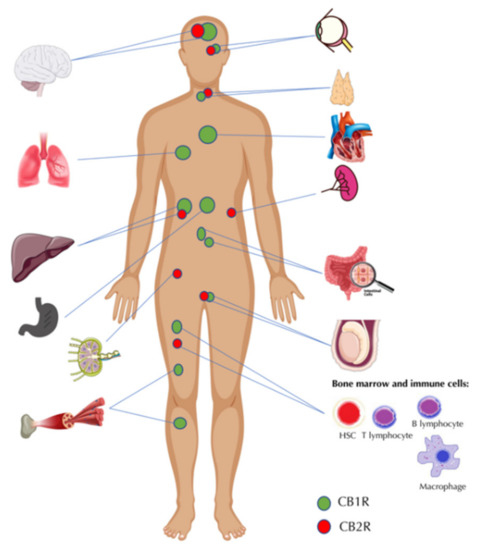
GPR18 receptor is expressed in the encephalon, thyroid gland, leukocytes, lungs and testicles. The modulatory role of GPR18 receptor has been proven in the regulation of intraocular pressure, neuroimmunomodulation, regulation of arterial blood pressure and in metabolic disorders.

In this article we summarize the current knowledge concerning the GPR18 receptor – its expression, ligands and the in the physiological processes and the pathophysiological conditions.”

https://pubmed.ncbi.nlm.nih.gov/35792647/

https://postepybiochemii.ptbioch.edu.pl/index.php/PB/article/view/399

Mechanisms of Cannabidiol (CBD) in Cancer Treatment: A Review

biology-logo


“Cannabis sativa L. (Cannabis) and its bioactive compounds, including cannabinoids and non-cannabinoids, have been extensively studied for their biological effects in recent decades. Cannabidiol (CBD), a major non-intoxicating cannabinoid in Cannabis, has emerged as a promising intervention for cancer research.

The purpose of this review is to provide insights into the relationship between CBD and cancer based on recent research findings.

The anticancer effects of CBD are mainly mediated via its interaction with the endocannabinoid system, resulting in the alleviation of pain and the promotion of immune regulation. Published reviews have focused on the applications of CBD in cancer pain management and the possible toxicological effects of its excessive consumption.

In this review, we aim to summarize the mechanisms of action underlying the anticancer activities of CBD against several common cancers. Studies on the efficacy and mechanisms of CBD on cancer prevention and intervention in experimental models (i.e., cell culture- and animal-based assays) and human clinical studies are included in this review.”

https://pubmed.ncbi.nlm.nih.gov/35741337/

“Emerging evidence suggests positive outcomes from the use of CBD as a cancer treatment. CBD can relieve cancer pain and ease the side effects of chemotherapy; however, there is less research about the mechanism of CBD’s anticancer effects. In this article, recent studies on the efficacy and mechanisms of CBD’s anticancer effects in cell- and animal-based models and human clinical studies are reviewed.”

https://www.mdpi.com/2079-7737/11/6/817


Biosynthetic origins of unusual cannabimimetic phytocannabinoids in Cannabis sativa L: A review

Phytochemistry

“Plants of Cannabis sativa L. (Cannabaceae) produce an array of more than 160 isoprenylated resorcinyl polyketides, commonly referred to as phytocannabinoids. These compounds represent molecules of therapeutic importance due to their modulation of the human endocannabinoid system (ECS).

While understanding of the biosynthesis of the major phytocannabinoids Δ9-tetrahydrocannabinol (Δ9-THC) and cannabidiol (CBD) has grown rapidly in recent years, the biosynthetic origin and genetic regulation of many potentially therapeutically relevant minor phytocannabinoids remains unknown, which limits the development of chemotypically elite varieties of C. sativa.

This review provides an up-to-date inventory of unusual phytocannabinoids which exhibit cannabimimetic-like activities and proposes putative metabolic origins. Metabolic branch points exploitable for combinatorial biosynthesis and engineering of phytocannabinoids with augmented therapeutic activities are also described, as is the role of phytocannabinoid remodelling to accelerate therapeutic portfolio expansion in C. sativa.”

https://pubmed.ncbi.nlm.nih.gov/35718133/

https://www.sciencedirect.com/science/article/abs/pii/S0031942222001984?via%3Dihub

Phytocannabinoids and Cannabis-Based Products as Alternative Pharmacotherapy in Neurodegenerative Diseases: From Hypothesis to Clinical Practice

Archive of "Frontiers in Cellular Neuroscience". - PMC

“Historically, Cannabis is one of the first plants to be domesticated and used in medicine, though only in the last years the amount of Cannabis-based products or medicines has increased worldwide.

Previous preclinical studies and few published clinical trials have demonstrated the efficacy and safety of Cannabis-based medicines in humans. Indeed, Cannabis-related medicines are used to treat multiple pathological conditions, including neurodegenerative disorders.

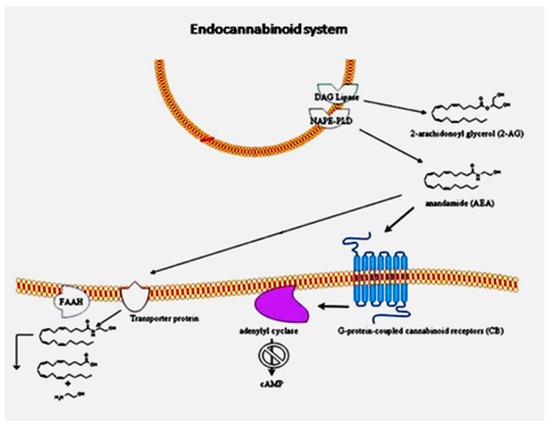
In clinical practice, Cannabis products have already been introduced to treatment regimens of Alzheimer’s disease, Parkinson’s disease and Multiple Sclerosis’s patients, and the mechanisms of action behind the reported improvement in the clinical outcome and disease progression are associated with their anti-inflammatory, immunosuppressive, antioxidant, and neuroprotective properties, due to the modulation of the endocannabinoid system.

In this review, we describe the role played by the endocannabinoid system in the physiopathology of Alzheimer, Parkinson, and Multiple Sclerosis, mainly at the neuroimmunological level. We also discuss the evidence for the correlation between phytocannabinoids and their therapeutic effects in these disorders, thus describing the main clinical studies carried out so far on the therapeutic performance of Cannabis-based medicines.”

https://pubmed.ncbi.nlm.nih.gov/35707521/

“Based on scientific evidence, the use of Cannabis-based products or Cannabis-based medicine (CBM) has been growing among patients diagnosed with neurodegenerative diseases. Most reports of clinical trials also describe significant improvement in disease-related primary and/or secondary symptoms, besides general improvement in life quality.”

https://www.frontiersin.org/articles/10.3389/fncel.2022.917164/full


Cannabinoids as Glial Cell Modulators in Ischemic Stroke: Implications for Neuroprotection

Frontiers in Pharmacology welcomes new Field Chief Editor – Science &  research news | Frontiers

“Stroke is the second leading cause of death worldwide following coronary heart disease. Despite significant efforts to find effective treatments to reduce neurological damage, many patients suffer from sequelae that impair their quality of life. For this reason, the search for new therapeutic options for the treatment of these patients is a priority.

Glial cells, including microglia, astrocytes and oligodendrocytes, participate in crucial processes that allow the correct functioning of the neural tissue, being actively involved in the pathophysiological mechanisms of ischemic stroke. Although the exact mechanisms by which glial cells contribute in the pathophysiological context of stroke are not yet completely understood, they have emerged as potentially therapeutic targets to improve brain recovery.

The endocannabinoid system has interesting immunomodulatory and protective effects in glial cells, and the pharmacological modulation of this signaling pathway has revealed potential neuroprotective effects in different neurological diseases. Therefore, here we recapitulate current findings on the potential promising contribution of the endocannabinoid system pharmacological manipulation in glial cells for the treatment of ischemic stroke.”

https://pubmed.ncbi.nlm.nih.gov/35721207/

“In summary, due to the profound implication of glial cells in stroke, the pharmacological modulation of the glial endocannabinoid system (ECS) could represent a significant advantage to help reduce/limit neuronal damage and stroke-associated sequelae.”

https://www.frontiersin.org/articles/10.3389/fphar.2022.888222/full

Promoting Oligodendrocyte Differentiation from Human Induced Pluripotent Stem Cells by Activating Endocannabinoid Signaling for Treating Spinal Cord Injury

SpringerLink

“Transplantation of oligodendrocyte progenitor cell (OPC) at the injury site is being developed as a potential therapeutic strategy for promoting remyelination and locomotor function recovery after spinal cord injury (SCI). To this end, the development of expandable and functional human OPCs is crucial for testing their efficacy in SCI.

In mice and rats, the endocannabinoid signaling system is crucial for the survival, differentiation, and maturation of OPCs. Similar studies in humans are lacking currently. Endocannabinoids and exogenous cannabinoids exert their effects mainly via cannabinoid receptors (CB1R and CB2R). We demonstrated that these receptors were differentially expressed in iPSC-derived human NSCs and OPCs, and they could be activated by WIN55212-2 (WIN), a potent CB1R/CB2R agonist to upregulate the endocannabinoid signaling during glial induction.

WIN primed NSCs generated more OLIG2 + glial progenitors and migratory PDGFRα + OPC in a CB1/CB2 dependent manner compared to unprimed NSCs. Furthermore, WIN-induced OPCs (WIN-OPCs) robustly differentiated into functional oligodendrocytes and myelinate in vitro and in vivo in a mouse spinal cord injury model. RNA-Seq revealed that WIN upregulated the biological process of positive regulation of oligodendrocyte differentiation. Mechanistically, WIN could act as a partial smoothed (SMO) inhibitor or activate CB1/CB2 to form heteromeric complexes with SMO leading to the inhibition of GLI1 in the Sonic hedgehog pathway.

The partial and temporal inhibition of GLI1 during glial induction is shown to promote OPCs that differentiate faster than control’s. Thus, CB1R/CB2R activation results in more efficient generation of OPCs that can mature and efficiently myelinate.”

https://pubmed.ncbi.nlm.nih.gov/35725998/

https://link.springer.com/article/10.1007/s12015-022-10405-0


Evaluation of cannabinoid receptors type 1-2 in periodontitis patients

“Background: As effective immune modulators, Endocannabinoids may suppress the inflammatory responses in periodontitis. This study assessed the expression of cannabinoid receptors in gingiva and the impact on periodontitis.

Methods: A cross-sectional study on 20 patients with more than stage II and Grade A periodontitis and a control group consisting of 19 healthy individuals was performed. The gingival biopsies were assessed for the expression of CB1 and CB2 using the quantitative reverse transcription polymerase chain reaction, TaqMan method.

Results: The study sample consisted of 39 subjects, 31 females (79.5%) and 8 males (20.5%), including 20 periodontitis subjects (80% female and 20% male), and control groups (78.9% female and 21.1% male). The mean ages of cases and controls were 33.3 ± 4.7 and 35.7 ± 5.1 years, respectively. The gene expression of CB2 in periodontitis was 27.62 ± 7.96 and in healthy subjects was 78.15 ± 23.07. The CB2 was significantly lower than the control group (p = .008). In comparison, the gene expression index of CB1 in the periodontal group (9.42 ± 3.03) was higher than the control group (6.62 ± 1.13) but did not meet a significant value (p = .671).

Conclusion: The lower expression of CB2 receptors in the periodontitis group may be due to the reduced protective effect of anti-inflammatory agents. These elements include cannabinoids and the imbalance leading to the predominance of pro-inflammatory effects. Therefore, the local effects of cannabinoids as an immunomodulator could be useful for oral inflammatory diseases such as periodontitis.”

https://pubmed.ncbi.nlm.nih.gov/35719011/

“In conclusion, as CB2 receptors are expressed in gingival tissues, particularly immune cells and fibroblasts, they involve in tissue and wound repair. The lower expression of these receptors in periodontitis, could be related to the inflammatory reactions and interrupts wound repair. Therefore, it seems that the use of cannabinoid CB2 agonists in the form of mouth wash contributes to the healing of periodontitis.”

https://onlinelibrary.wiley.com/doi/10.1002/cre2.608

Chronic Pain and the Endocannabinoid System: Smart Lipids – A Novel Therapeutic Option?

Karger Publishers Further Expands into Open Access and Open Science | STM  Publishing News

“The development of a high-end cannabinoid-based therapy is the result of intense translational research, aiming to convert recent discoveries in the laboratory into better treatments for patients. Novel compounds and new regimes for drug treatment are emerging. Given that previously unreported signaling mechanisms for cannabinoids have been uncovered, clinical studies detailing their high therapeutic potential are mandatory. The advent of novel genomic, optogenetic, and viral tracing and imaging techniques will help to further detail therapeutically relevant functional and structural features. An evolutionarily highly conserved group of neuromodulatory lipids, their receptors, and anabolic and catabolic enzymes are involved in a remarkable variety of physiological and pathological processes and has been termed the endocannabinoid system (ECS). A large body of data has emerged in recent years, pointing to a crucial role of this system in the regulation of the behavioral domains of acquired fear, anxiety, and stress-coping. Besides neurons, also glia cells and components of the immune system can differentially fine-tune patterns of neuronal activity. Dysregulation of ECS signaling can lead to a lowering of stress resilience and increased incidence of psychiatric disorders. Chronic pain may be understood as a disease process evoked by fear-conditioned nociceptive input and appears as the dark side of neuronal plasticity. By taking a toll on every part of your life, this abnormal persistent memory of an aversive state can be more damaging than its initial experience. All strategies for the treatment of chronic pain conditions must consider stress-related comorbid conditions since cognitive factors such as beliefs, expectations, and prior experience (memory of pain) are key modulators of the perception of pain. The anxiolytic and anti-stress effects of medical cannabinoids can substantially modulate the efficacy and tolerability of therapeutic interventions and will help to pave the way to a successful multimodal therapy. Why some individuals are more susceptible to the effects of stress remains to be uncovered. The development of personalized prevention or treatment strategies for anxiety and depression related to chronic pain must also consider gender differences. An emotional basis of chronic pain opens a new horizon of opportunities for developing treatment strategies beyond the repeated sole use of acutely acting analgesics. A phase I trial to determine the pharmacokinetics, psychotropic effects, and safety profile of a novel nanoparticle-based cannabinoid spray for oromucosal delivery highlights a remarkable innovation in galenic technology and urges clinical studies further detailing the huge therapeutic potential of medical cannabis (Lorenzl et al.; this issue).”

https://pubmed.ncbi.nlm.nih.gov/35702403/

“The evidence that full-spectrum cannabis preparations have medical benefits with less unwanted central effects stimulated the development of an oromucosal spray containing full-spectrum water-soluble cannabis. This remarkable innovation in galenic technology advocates clinical studies further and enables the realization of the very promising therapeutic potentials. Medicinal cannabis has a favorable safety and tolerability profile”

https://www.karger.com/Article/FullText/522432