Neuroprotective Effect of Cannabidiol Against Rotenone in Hippocampal Neuron Culture

pubmed logo

(“-)-Cannabidiol (CBD), a non-psychoactive phytocannabinoid, has been suggested to provide protective effects in neuronal systems. This work investigates its neuroprotective effect against rotenone, a mitochondrial complex I inhibitor that causes neuronal toxicity, using primary hippocampal neurons.

Rotenone treatment reduces neuronal viability with marked neurite degeneration in a concentration-dependent manner (LC50 = 189.1 nM). Administration of 2.5 µM CBD significantly increases viability to 69.9%, compared with 45.6% observed under 200 nM rotenone treatment.

Neuronal morphology is preserved under both CBD pre-treatment and co-treatment conditions, with confocal analyses further confirming the maintenance of axonal branching and overall structural integrity. Antagonist experiments reveal that TRPV1 inhibition markedly reduces the protective effect of CBD, whereas blockade of 5-HT1AR has only a minor influence.

These findings demonstrate that CBD protects primary hippocampal neurons from rotenone-induced toxicity, with TRPV1 playing a central role in the mechanism.”

https://pubmed.ncbi.nlm.nih.gov/41261085

“In summary, this study demonstrates that CBD effectively protects primary hippocampal neurons from rotenone-induced toxicity by maintaining neuronal viability and preserving neurite morphology. Both pre-treatment and co-treatment with CBD effectively attenuated rotenone-induced cell death, and morphological analyses confirmed the preservation of axonal branching and neuronal structure.

Consistent with our findings, several in vivo studies have reported that cannabis-derived phytocannabinoids attenuate oxidative stress and neuronal degeneration induced by rotenone administration in animal models. These in vivo observations reinforce the neuroprotective potential of CBD and further support our in vitro findings at the cellular level.”

https://aces.onlinelibrary.wiley.com/doi/10.1002/asia.202500946

Minor Cannabinoids CBD, CBG, CBN and CBC differentially modulate sensory neuron activation

pubmed logo

“The use of minor cannabinoids has been advanced, in part, by the idea of providing relief from pain and inflammation without the burden of unwanted psychogenic effects associated with Δ 9 THC. In this regard, investigators have focused on the effects of minor cannabinoid activation / desensitization of peripheral sensory neurons on nociceptive signaling and/or peripheral inflammation.

With a focus on peripheral nociception, four common minor cannabinoids: cannabidiol (CBD), cannabigerol (CBG), cannabinol (CBN) and cannabichromene (CBC) were studied in primary cultures of mouse Dorsal Root Ganglion (DRG) neurons.

We queried if calcium responses induced by the four cannabinoids differed in potency of activation, neuronal size preference, and dose-response relationships. Additionally, we determined the dependence of CBD and CBN on key channel-receptors that are known to mediate pain and/or antinociception.

Individually, CBD, CBG and CBC directed greater response magnitudes when compared to CBN. All four minor cannabinoids activated overlapping but distinct size populations of sensory neurons. CBD and CBG activated the widest range of DRG neuron sizes (smaller-larger) overlapping with smaller capsaicin-sensitive neurons. In contrast, CBN and CBC activated predominantly larger sensory neurons. CBD diverged from other minor cannabinoids in directing a linear dose-response profile whereas CBG and CBC directed sigmoidal dose-response profiles and CBN activated DRG neurons with an inverted U-shaped dose-response relationship. CBD-induced activation of DRG neurons was dependent on co-expression of the nociceptive channel TRPV1 plus cannabinoid receptor 1 (CB 1 R), whereas CBN-induced activation was independent of TRPV1.

Overall, we observed that minor cannabinoids CBD, CBG, CBN and CBC differed in their activation of DRG neurons and directed unique activation properties across a diverse population of sensory neurons. Such differences underly the hypothesis that a combination (entourage) of complimentary minor cannabinoids can direct synergistic antinociceptive activity.”

https://pubmed.ncbi.nlm.nih.gov/41256665

https://www.biorxiv.org/content/10.1101/2025.10.02.680148v1

Acute Effects of Cannabis on Alcohol Craving and Consumption: A Randomized Controlled Crossover Trial

pubmed logo

Objective: Cannabis use is strongly linked with heavy drinking and worse alcohol treatment outcomes; however, it may also contribute to decreased alcohol consumption. To date, no human studies have established a causal effect of cannabis on alcohol motivation. The aim of this double-blind crossover randomized clinical trial was to examine dose-dependent acute effects of delta-9-tetrahydrocannabinol (THC) on alcohol craving and consumption.

Methods: Across three experimental days, 157 participants reporting heavy alcohol use and cannabis use two or more times weekly were randomized to smoke cannabis cigarettes containing 7.2% THC, 3.1% THC, or 0.03% THC (placebo), followed by exposures to neutral and personalized alcohol cues and an alcohol choice task for alcohol self-administration. A total of 138 participants completed two or more experimental sessions (mean age, 25.6 years [SD=5.1]; 35% women; 45% racial/ethnic minorities). Primary outcomes included craving, Alcohol Craving Questionnaire-Short Form, Revised (ACQ-SF-R), and an alcohol urge question; the secondary outcome was percent of total available milliliters of alcohol consumed.

Results: There were no significant effects of cannabis on ACQ-SF-R ratings after smoking and during alcohol cue exposure, but 7.2% THC reduced alcohol urge immediately after smoking. Participants consumed significantly less alcohol after smoking cannabis with 3.1% THC and 7.2% THC, reducing consumption by 19% and 27%, respectively.

Conclusions: Following overnight cannabis abstinence, smoking cannabis acutely decreased alcohol consumption compared to placebo. Further controlled research on a variety of cannabinoids is needed to inform clinical alcohol treatment guidelines.”

https://pubmed.ncbi.nlm.nih.gov/41254853

“These data provide preliminary evidence that cannabis may reduce alcohol consumption under some conditions”

https://psychiatryonline.org/doi/10.1176/appi.ajp.20250115

Insights into Thai and Foreign Hemp Seed Oil and Extracts’ GC/MS Data Re-Analysis Through Learning Algorithms and Anti-Aging Properties

“This study successfully established a novel discriminative model that distinguishes between Thai and foreign hemp seed extracts based on gas chromatography/mass spectrometry (GC/MS) metabolic profiling combined with machine learning algorithms such as hierarchy clustering analysis (HCA), principal component analysis (PCA), and partial least square-discriminant analysis (PLS-DA).

The findings highlighted significant metabolic features, such as vitamin E, clionasterol, and linoleic acid, related with anti-aging properties via elastase inhibition.

Our biological validation experiment revealed that the individual compound at 2 mg/mL exhibited a moderate elastase inhibitory activity, 40.97 ± 1.80% inhibition (n = 3). However, a binary combination among these metabolites at 1 mg/mL of each compound demonstrated a synergistic effect against elastase activities up to 89.76 ± 1.20% inhibition (n = 3), showing 119% improvement. Molecular docking experiments aligned with biological results, showing strong binding affinities and enhanced inhibitory effects in all combinations.

This integrated approach provided insights into the bioactive compounds responsible for anti-aging effects and established a dependable framework for quality control and standardization of hemp seed-based skincare products. Additionally, the developed models enable effective discrimination between Thai and foreign strains, which is valuable for sourcing and product consistency.

Overall, this research advances our understanding of hemp seed phytochemicals and their functional potential, paving the way for optimized natural anti-aging formulations and targeted functional foods.”

https://pubmed.ncbi.nlm.nih.gov/41227709/

“Integrating hemp actives into cosmeceuticals offers sustainable and natural substitutes for conventional skincare products with a variety of advantages, such as moisturizing and anti-aging effects.”

https://www.mdpi.com/2304-8158/14/21/3739

The Action of Cannabidiol on Doxycycline Cytotoxicity in Human Cells-In Vitro Study

“Improper use of drugs in both animal and human therapy, such as doxycycline (DOX), lead to the accumulation of residues in edible animal tissues as well as in the environment.

Plant-derived compounds reduce the adverse effects of drugs.

This study aimed to evaluate the effect of cannabidiol (CBD) in two concentrations: lower (1.56 µg/mL) (DOX + C1) and higher (3.125 µg/mL) (DOX + C2) on the cytotoxicity of doxycycline in human cells.

The toxicity of DOX and its CBD-containing mixtures was assessed after 72 h of exposure in three human cell lines: neural (SH-SY5Y), hepatic (HepG2), and kidney (HEK-293). The exposure to DOX resulted in inhibition of mitochondrial activity (SH-SY5Y) and inhibition of DNA synthesis (HepG2 and HEK-293). IC50 values for DOX ranged from 9.8 to >200 µg/mL in SH-SY5Y cells, 13.4 to 200 µg/mL in HepG2 cells, and 8.9 to 30.4 µg/mL in HEK-293 cells. The nature of the interaction depended on both the cell lines and the concentration of CBD in the mixture.

Both CBD mixtures demonstrated a synergistic interaction in neuronal cells. In HepG2 cells, both mixtures showed additive and antagonistic interactions. In HEK-293 cells, the DOX + C1 mixture exhibited an antagonistic (protective) effect, while the DOX + C2 mixture showed an additive effect. There were no changes in oxidative stress levels; however, alterations in apoptosis levels and cell morphology were observed following exposure to the mixtures.

The presence of doxycycline in the diet and the environment poses a health risk to consumers. The increasing consumption of CBD-containing products may reduce the risk associated with the presence of this drug in food.

It is worth emphasizing the need for research aimed at minimizing the adverse effects of pharmaceuticals on the health of humans and animals.”

https://pubmed.ncbi.nlm.nih.gov/41226279/

“These results suggest that cannabidiol may be a promising candidate for preventing doxycycline-induced damage and dysfunction in healthy cells.”

https://www.mdpi.com/1420-3049/30/21/4319

“Doxycycline is a widely used, broad-spectrum tetracycline antibiotic that treats a variety of bacterial infections and certain parasitic conditions.”

Skin-Whitening Effects of Cannabinol (CBN) Through Melanin Inhibition in B16F10 Melanoma Cells

pubmed logo

“Melanogenesis, the key biological process underlying skin hyperpigmentation, is tightly regulated by complex molecular signaling pathways. Consequently, targeting molecular regulators of this pathway is a crucial strategy for developing effective skin-whitening agents.

Cannabinol (CBN), a minor cannabinoid, has been largely unexplored owing to its role in modulating skin pigmentation. This study aimed to elucidate the molecular mechanisms of CBN’s depigmenting effects using an α-MSH-induced B16F10 melanoma cell model.

High-purity CBN was obtained via conversion of cannabidiol (CBD) and confirmed by HPLC. CBN significantly inhibited melanin synthesis and tyrosinase activity in a concentration-dependent manner, without any cytotoxicity. Furthermore, we investigated CBN’s impact on the melanogenesis signaling cascade.

Our analysis revealed that CBN significantly downregulated the mRNA and protein levels of key melanogenic master regulators, including MITF, TYR, TYRP1, and TYRP2.

Importantly, we also observed that CBN treatment selectively suppressed the protein phosphorylation of upstream signaling molecules such as p38 and JNK MAP kinases and NF-κB, while ERK phosphorylation remained unaffected. This finding indicates that its mechanism of action involves the selective modulation of pro-melanogenic signaling components.

Collectively, these findings demonstrate that CBN effectively modulates the melanogenesis signaling pathway by targeting both upstream kinases and downstream melanogenic genes.

These findings suggest that CBN holds great promise as a bioactive agent for skin-whitening applications and warrants further research to confirm its clinical efficacy and safety.”

https://pubmed.ncbi.nlm.nih.gov/41226788/

“In conclusion, our study successfully demonstrated that cannabinol (CBN) possesses potent anti-melanogenic properties without inducing cytotoxicity. We found that CBN exerts its inhibitory effects by downregulating the expression of key melanogenic genes and proteins, including MITF, TYR, TYRP1, and TYRP2.

Our most significant finding was that this action was mediated through the selective suppression of crucial upstream signaling pathways: specifically, the p38 and JNK components of the MAPK cascade and the NF-κB pathway. This selective modulation targeting pro-melanogenic pathways, while preserving the ERK pathway, provides a comprehensive explanation for CBN’s powerful skin-brightening effects, positioning it as a promising new bioactive compound for cosmetic and therapeutic applications in hyperpigmentation.”

https://www.mdpi.com/1422-0067/26/21/10752

Enhancing wheat-bread with hemp flour: Impact on chemical, volatile, and sensory properties

“Consumer interest in nutrient-rich and sustainable bakery products is stimulating the use of novel flours. Hemp (Cannabis sativa L.) flour represents a promising ingredient, even though its application in breadmaking remains limited.

This study explored the partial substitution of wheat flour with a mixture of two hemp cultivars, Felina 32 and Futura 75, at 10 %, 15 %, and 25 % inclusion levels. Comprehensive characterization addressed chemical composition, antioxidant properties, volatile profile, and sensory quality.

Hemp fortification increased the nutritional value of bread, particularly enhancing polyunsaturated fatty acids (notably linoleic acid), essential amino acids (lysine, leucine, phenylalanine), and total polyphenols, leading to enhance the antioxidant capacity. Volatile compound analysis showed an enrichment in compounds such as hexanoic acid, humulene, and citral. Sensory evaluation confirmed consumer acceptance, despite minor bitterness note.

These results demonstrate hemp flour’s potential as a functional and sustainable ingredient.”

https://pubmed.ncbi.nlm.nih.gov/41214949/

“Hemp (Cannabis sativa L.) is an herbaceous and multipurpose plant that can be used in different fields such as agriculture, food and feed, cosmetics, pharmaceuticals, and building.”

“Hemp flour (HF), naturally gluten-free, has been used to enrich various types of bread to increase the protein content, essential fatty acids, phenolic and antioxidant compounds.”

“Based on these data, HF can be consider an excellent ingredient to improve the nutritional profile of bread.”

“We can conclude that HF is a valuable ingredient, to improve the nutritional properties of bread.”

https://www.sciencedirect.com/science/article/pii/S0963996925017776?via%3Dihub

Cannabinoids Shape Synaptic Activity and Adult Neurogenesis in the Zebrafish Pallium

pubmed logo

“The endocannabinoid system regulates neuronal activity and plasticity, but its role in non-mammalian vertebrates remains poorly understood.

In zebrafish (Danio rerio), the pallium processes cognitive functions such as memory, learning, and emotional behavior. This region expresses cannabinoid receptors and undergoes continuous neuronal remodeling through adult neurogenesis.

Here, we investigate whether cannabinoid receptor type 1 (CB1R) modulates synaptic activity and adult neurogenesis in zebrafish pallial circuits.

Using immunofluorescence and single-cell mRNA analysis, we mapped CB1R expression in the pallium and found it to be distributed in a scattered pattern within the dorsomedial (Dm) and dorsolateral (Dl) regions, predominantly in glutamatergic neurons.

Electrophysiological recordings showed that acute application of rimonabant, a CB1R antagonist, reduced the frequency of spontaneous excitatory postsynaptic currents (sEPSCs) without altering intrinsic or other synaptic properties, suggesting a tonic role for CB1R in modulating synaptic transmission. Additionally, prolonged rimonabant treatment (13 days) significantly reduced ERK phosphorylation, a marker of neuronal activity, further supporting the involvement of CB1R in maintaining basal synaptic activity in the pallium.

To assess whether cannabinoid signaling shapes adult neurogenesis, we analyzed the proliferation of neural stem cells (NSCs) and maturation of adult-born neurons.

Acute phytocannabinoid exposure resulted in a reduction in NSC proliferation, specifically in the anterior Dm. To assess the neurogenic outcome, the cannabinoid treatment was administered during neuronal maturation (12-24 days after BrdU labeling).

We observed an increase in the number of 25-day-old neurons (BrdU+, HuC/D+) in both Dm and Dl regions. This effect was reverted by the CB1R antagonist rimonabant.

These results indicate that cannabinoid signaling modulates synaptic activity and neuronal integration, highlighting a conserved control of neurogenesis by the endocannabinoid system across vertebrates.”

https://pubmed.ncbi.nlm.nih.gov/41200796/

https://onlinelibrary.wiley.com/doi/10.1111/jnc.70289

“Delta-9-Tetrahydrocannabinol (∆9-THC) Induce Neurogenesis and Improve Cognitive Performances of Male Sprague Dawley Rats”

https://link.springer.com/article/10.1007/s12640-017-9806-x


Recent development of plant-derived and synthetic cannabinoids as novel antimicrobial agents

pubmed logo

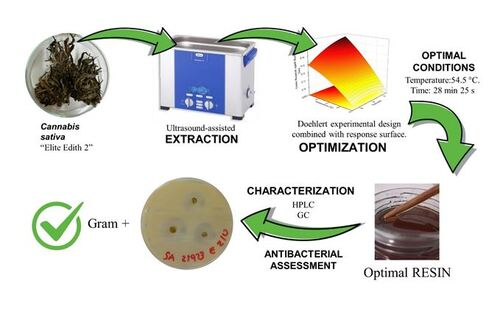
“Antimicrobial resistance remains a critical global health threat, driving the urgent need for novel therapeutic agents. Cannabinoids, bioactive secondary metabolites derived from Cannabis sativa, have gained attention for their promising antimicrobial properties.

This review presents the latest advances in the antimicrobial properties of cannabinoids, emphasizing their activity against multidrug-resistant pathogens, including methicillin-resistant Staphylococcus aureus, vancomycin-resistant Enterococcus faecium, and selected Gram-negative bacteria.

We summarize their antibacterial and antifungal effects, along with insights into structure-activity relationships that reveal the critical roles of functional groups such as the resorcinol moiety and alkyl side chain.

Mechanistic studies suggest that membrane disruption, metabolic interference, and reactive oxygen species generation contribute to their antimicrobial action. Moreover, we summarize the synergistic potential of cannabinoids when used in combination with conventional antibiotics, highlighting both promising outcomes and notable limitations.

Despite these advances, challenges such as poor solubility, limited in vivo data, and regulatory barriers persist. Addressing these gaps through focused medicinal chemistry and translational research will be essential to harness the full potential of cannabinoids as next-generation antimicrobial agents.”

https://pubmed.ncbi.nlm.nih.gov/41200875/

“Natural and synthetic cannabinoids show activity mainly against Gram-positive bacteria and selected fungi.

Synthetic cannabinoid analogues can enhance potency, selectivity, and pharmacokinetic properties while minimizing psychoactive effects.

Rational modifications to cannabinoid scaffolds, such as the resorcinol ring and alkyl side chain, influence antimicrobial efficacy.

Cannabinoids disrupt microbial membranes, increasing permeability, altering membrane potential, and inducing apoptosis.

Cannabinoids interfere with intracellular metabolic and biosynthetic pathways, impairing energy production and cell wall synthesis.”

https://www.tandfonline.com/doi/full/10.1080/17568919.2025.2580915


Synthetic cannabinoid WIN 55,212-2 reduces CHIKV replication, modulates cytokine and chemokine production, and induces ER stress-related transcriptional responses in human monocyte-derived macrophages

pubmed logo

“Chikungunya virus (CHIKV), an emerging arbovirus of the family Togaviridae, causes Chikungunya fever (CHIKF), characterized by excessive inflammation and chronic arthralgia. Macrophages act as viral targets and amplifiers of inflammation, underscoring their crucial role in the pathogenesis of viral infections. Currently, no effective treatment exists for CHIKF, highlighting the need for novel therapeutic approaches.

Cannabinoids, known for their immunomodulatory and antiviral properties, have emerged as potential candidates. Here, we investigated the effects of cannabidiol (CBD) and WIN 55,212-2 (WIN) in CHIKV-infected human monocyte-derived macrophages (MDMs). Pre- and post-treatment efficacy were assessed at 6- and 24-h post-infection (h.p.i).

WIN, but not CBD, significantly reduced CHIKV replication in post-treatment assays, with effects most evident at 24 h.p.i. This antiviral activity occurred without significant changes in mRNA levels of IFNβ1, IFNλ1, and IL27p28, indicating that it did not alter the expression of type I/III interferons. Furthermore, WIN treatment reduced APOBEC3A mRNA levels. Additionally, WIN significantly reduced the production of CCL-2, as well as pro- (IL-6, TNF-α) and anti-inflammatory (IL-10) cytokines, while upregulating IRE1α and sXBP1 transcripts, suggesting modulation of ER stress pathways.

Overall, these findings identify WIN as a potential modulator of CHIKV replication and macrophage inflammatory response, acting through host-direct mechanisms that warrant further investigation.”

https://pubmed.ncbi.nlm.nih.gov/41197267/

“WIN 55,212-2 post-treatment reduced CHIKV replication and inflammation in MDMs by downregulating proinflammatory cytokines and chemokines and inducing ER stress via the PERK–IRE1α/sXBP1 pathway (Fig. 7B). Inhibiting these pathways partially restored viral load, suggesting their involvement in the antiviral effect. WIN 55,212-2 also decreased CHIKV nsP2 mRNA levels, without direct virucidal activity. These findings indicate that WIN functions as a dual-agent, both antiviral and immunomodulatory,”

https://www.sciencedirect.com/science/article/abs/pii/S1567576925017825?via%3Dihub

“WIN 55,212-2 is a synthetic cannabinoid and a potent full agonist of the cannabinoid receptors CB1 and CB2. Though it mimics the effects of tetrahydrocannabinol (THC), the compound has a distinctly different chemical structure. It has been extensively studied for its potential therapeutic effects due to its anti-inflammatory, analgesic, and neuroprotective properties. The compound is illegal in some countries, including the United States, where it is classified as a Schedule I controlled substance.”