Sustained Reduction of Dystonic Tremor and Pain after Cannabis Oil Administration and Physiotherapy in Thalamic Ischemia: A One-Year Case Report

Introduction: Post-stroke tremor and post-stroke thalamic pain (PS-TP) are common and often refractory conditions that significantly impact patients’ quality of life. Conventional pharmacotherapy frequently provides inadequate relief, while cannabis has shown potential for managing movement disorders and pain; however, evidence supporting its efficacy remains limited. On the other hand, physiotherapy is well-documented as an effective therapeutic intervention.

Case presentation: This case report aimed to evaluate the combined effects of cannabis oil and physiotherapy on dystonic-tremor and PS-TP in a female subject with a history of thalamic ischemia. The patient was monitored over a 1-year follow-up period with assessments focused on pain intensity, tremor severity, and overall functional improvements. After twelve months of treatment, the patient demonstrated a 60% reduction in pain and a 56.88% reduction in tremor severity, accompanied by enhanced motor function. Furthermore, quality of life improved significantly, with a 27.6% increase in the mental component and a 45.46% increase in the motor component. No serious adverse effects were reported during the treatment period.

Conclusion: This case report highlights the potential benefits of combining cannabis oil with physiotherapy for managing post-stroke dystonic tremor and PS-TP. The sustained efficacy of this treatment combination over a prolonged period could constitute a therapeutic novelty and an important advancement in the management of these conditions. These findings suggest the need for further research with larger cohorts and studies of higher methodological rigor to establish the efficacy and safety of this therapeutic approach.”

https://pubmed.ncbi.nlm.nih.gov/41603171

https://www.eurekaselect.com/article/152910

Cytotoxicity of Cannabinoids in Combination with Traditional Lymphoma Chemotherapeutic Drugs Against Non-Hodgkin’s Lymphoma

Background: Cannabinoids (CBs) are FDA-approved for mitigating chemotherapy-induced side effects such as pain, nausea, and loss of appetite. Beyond palliative care, CBs exhibit anti-tumor properties in various cancers, including non-Hodgkin’s lymphoma (NHL). Previously, we demonstrated the cytotoxic effect of endogenous and exogenous cannabinoids on human and canine B- and T-cell-type NHL cell lines. The purpose of this study was to establish the cytotoxic effect of cannabinoids in combination with the components of CHOP and lomustine. This traditional NHL chemotherapy regimen comprises cyclophosphamide, doxorubicin, vincristine, and prednisolone. 

Methods: In this study, we studied three cannabinoids, one from each of the three major categories of cannabinoids (endocannabinoid AEA, phytocannabinoid CBD, and synthetic cannabinoid WIN-55 212 22). Each cannabinoid was selected based on potency, as determined in our previous experiments. For the combination, we used five NHL chemotherapy drugs. We analyzed the cytotoxicity of each drug alone and in combinations using canine malignant B-type NHL cell line 1771 and a colorimetric MTT (3-(4,5-dimethylthiazol-2-yl)-2,5 diphenyl tetrazolium bromide) cell proliferation assay and combination index (CI) based on the Chou-Talalay method. 

Results: Our results demonstrate that the cytotoxic effects of all traditional NHL chemotherapy drugs are synergistically enhanced (interaction with CI < 1) by each of the three cannabinoids at sub-IC50 concentrations. 

Conclusions: This work provides a proof of concept for using cannabinoids and traditional NHL drugs in combination to reduce the dose, and thereby potentially reducing the toxicity, of chemotherapeutic drugs and increasing the survival benefit in lymphoma clinical translation studies, offering a significant advancement in cancer treatment.”

https://pubmed.ncbi.nlm.nih.gov/41595541

https://www.mdpi.com/2227-9059/14/1/3


Exploring cannabinoid modulation on autophagy mechanisms in Alzheimer’s disease: a review

“Alzheimer’s disease (AD) is a neurodegenerative disorder characterized by the accumulation of toxic protein aggregates in the brain, leading to brain cell death and cognitive impairment. Central to AD pathogenesis is the autophagy pathway, a crucial cellular self-digestion process.

Cannabinoids, the fundamental phytochemical compounds derived from the Cannabis sativa plant, have been demonstrated to exhibit neuroprotective qualities when used as a treatment at microdoses.

However, the impact of multi-cannabinoid treatments on autophagy induction and subsequent cell survival in AD in vitro models remains uncertain. This review seeks to explore the potential of a multi-cannabinoid treatment strategy in enhancing neuronal cell survival through autophagy activation within an AD in vitro model.

The proposed approach involves a combination of cannabinoids in their potential to upregulate autophagy mechanisms, potentially supporting neuronal cell resilience. By unravelling the mechanistic link between autophagy, cannabinoid treatment, and neuronal viability, this review aims to elucidate how cannabinoids influence neuronal function and survival at a cellular and molecular level. By offering insights into the exploitation of the endocannabinoid system, this review contributes to the development of novel cannabinoid-based treatment avenues for AD. This pursuit aligns with the broader objective of addressing the debilitating effects of AD on the quality of life for those affected.”

https://pubmed.ncbi.nlm.nih.gov/41601969

“Emerging evidence, including a recent case report, suggests that cannabinoid microdosing may offer a potential strategy for reducing AD-related symptoms while minimizing adverse effects.”

“Pharmacokinetic data further indicate that multi-cannabinoid formulations, particularly those combining THC and CBD, add additional minor cannabinoids, may provide enhanced therapeutic efficacy and improved safety profiles compared to monotherapy.”

https://www.frontiersin.org/journals/pharmacology/articles/10.3389/fphar.2025.1748368/full


Cannabidiol Mitigates Pollution-Induced Inflammatory, Oxidative, and Barrier Damage in Ex Vivo Human Skin

“Airborne particulate matter (PM) is a major environmental pollutant that accelerates skin aging, inflammation, and barrier impairment.

Cannabidiol (CBD), a non-psychoactive phytocannabinoid derived from Cannabis sativa, has shown anti-inflammatory and cytoprotective effects, yet its role in protecting full-thickness human skin from pollution-induced damage remains unclear.

In this study, human full-thickness ex vivo skin explants were topically exposed to PM (0.54 mg/cm2) and treated with CBD (6.4 mM) administered via the culture medium for 48 h. Proinflammatory mediators (interleukin-6, IL-6; matrix metalloproteinase-1, MMP-1; cyclooxygenase-2, COX-2), oxidative stress markers (reactive oxygen species, ROS; 8-hydroxy-2′-deoxyguanosine, 8-OHdG), the xenobiotic sensor aryl hydrocarbon receptor (AhR), extracellular matrix proteins (procollagen type I C-peptide, PIP; fibrillin), and the barrier protein filaggrin were quantified using ELISA and immunofluorescence.

PM exposure triggered significant inflammation, oxidative stress, AhR induction, extracellular matrix degradation, and barrier disruption. CBD selectively counteracted these effects by reducing IL-6, MMP-1, COX-2, ROS, and 8-OHdG levels, downregulating AhR expression, and restoring PIP, fibrillin, and filaggrin expression. No measurable effects were observed in unstressed control tissues.

These results demonstrate that CBD protects human skin from PM-induced molecular damage and supports its potential as a functional bioactive ingredient for anti-pollution applications.”

https://pubmed.ncbi.nlm.nih.gov/41594552

“Cannabidiol (CBD), a non-psychoactive phytocannabinoid from Cannabis sativa, has shown antioxidant, anti-inflammatory, and barrier-supporting effects “

“This study provides compelling evidence that CBD protects against pollution-induced skin damage by modulating inflammatory, oxidative, and xenobiotic stress pathways. In addition to biochemical modulation, CBD restored extracellular matrix and barrier integrity, supporting its potential as a functional ingredient for promoting skin health in urban environments.”

https://www.mdpi.com/2218-273X/16/1/10

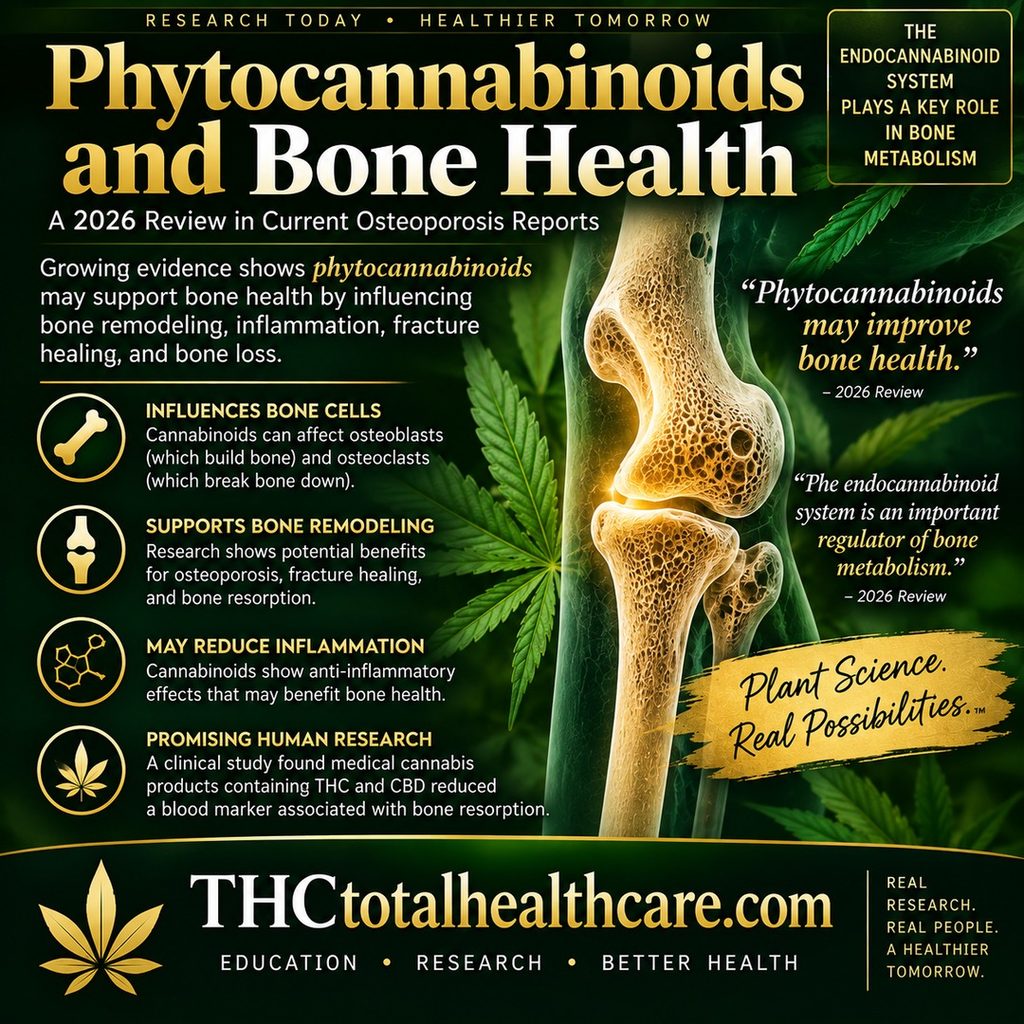
Effects of Cannabidiol on Bone Health: A Comprehensive Scoping Review

Background/objectives: Cannabidiol (CBD) is a non-psychoactive constituent of Cannabis sativa, which has potential skeletal benefits through modulation of bone cell function and inflammatory signalling. However, evidence of its effects and mechanisms in bone health remains fragmented. This scoping review summarised the current findings on the impact of CBD on bone outcomes and its mechanisms of action. 

Methods: A systematic search of PubMed, Scopus, and Web of Science was conducted in October 2025 for original studies published in English, with the primary objective of examining the effects of CBD on bone health, regardless of study design. After applying inclusion and exclusion criteria, 24 primary studies were included. Data on model design, CBD formulation, treatment parameters, bone-related outcomes, and proposed mechanisms were extracted and analysed descriptively. 

Results: Among the studies included, eleven demonstrated beneficial effects of CBD on bone formation, mineralisation, callus quality, or strength; eleven showed mixed outcomes; and two demonstrated no apparent benefit. Previous studies have shown that CBD suppresses bone resorption by reducing osteoclast differentiation and activity while promoting osteoblast proliferation and matrix deposition. Mechanistically, CBD’s effects involve activation of cannabinoid receptor 2, modulation of the receptor activator of nuclear factor-κB ligand/osteoprotegerin pathway, and regulation of osteoblastogenic and osteoclastogenic signalling through bone morphogenetic protein, Wnt, mitogen-activated protein kinase, nuclear factor-κB, and peroxisome proliferator-activated receptor signalling. The anti-inflammatory and antioxidant actions of CBD further contribute to a favourable bone microenvironment. 

Conclusions: Preclinical evidence suggests that CBD has a bone-protective role through multifaceted pathways that enhance osteoblast function and suppress osteoclast activity. Nevertheless, robust human trials are necessary to confirm its efficacy, determine its optimal dosing, and clarify its long-term safety.”

https://pubmed.ncbi.nlm.nih.gov/41595744

“This scoping review demonstrates that CBD exerts multifaceted and predominantly positive effects on bone biology. CBD enhances osteoblast differentiation, supports matrix formation, and suppresses osteoclast-driven resorption. These effects are mediated through a network of anti-inflammatory, antioxidant, and receptor-dependent mechanisms.”

https://www.mdpi.com/2227-9059/14/1/208


Cannabidiol as a Prophylactic Agent Against Glioblastoma Growth: A Preclinical Investigation

“Glioblastoma (GBM) remains one of the most lethal brain tumors, with current therapies offering limited benefits and high relapse rates.

This study presents the first preclinical evidence that pretreatment with inhaled cannabidiol (CBD) before tumor establishment can markedly inhibit GBM progression.

We hypothesized that early CBD exposure could prime the immune and molecular landscape to resist tumor growth. C57BL/6 mice were pretreated with inhaled CBD for 3 or 14 days, or with placebo, prior to intracranial implantation of glioblastoma cells. Tumor growth, immune checkpoint expressions (IDO, PD-L1), and key biomarkers (MGMT, Ki67) were analyzed to evaluate tumor dynamics and immune modulation.

Fourteen-day CBD pretreatment significantly reduced tumor burden compared with both placebo and 3-day CBD groups, accompanied by decreased IDO, PD-L1, MGMT, and Ki67 expression, which are signatures of a less aggressive tumor phenotype. These findings suggest that prolonged CBD exposure can precondition the tumor microenvironment toward an anti-tumor state, improving disease control and potentially lowering relapse risk.

This study introduces a novel concept of CBD pretreatment as an immune-modulatory strategy with high translational potential for glioblastoma management.”

https://pubmed.ncbi.nlm.nih.gov/41596406

“Cannabidiol (CBD), a non-psychoactive phytocannabinoid derived from Cannabis sativa, has attracted growing interest for its broad spectrum of therapeutic properties, including anti-cancer and neuroprotective effects [1,3]. Preclinical studies have demonstrated that CBD exerts anti-proliferative, pro-apoptotic, anti-inflammatory, and anti-angiogenic effects across various tumor models, including GBM.

Our previous work and other studies have shown that CBD can inhibit GBM growth in the brain by modulating the endocannabinoid system, promoting cell cycle arrest, and impairing angiogenesis “

“In this study, we investigate the prophylactic potential of chronic CBD administration via inhalation in a murine model of GBM.”

“This preclinical investigation demonstrates that prolonged inhaled CBD pretreatment significantly suppresses glioblastoma (GBM) progression in a murine model by targeting multiple hallmarks of tumor biology.”

“Collectively, these findings support the development of CBD as a non-invasive, prophylactic adjunct to standard GBM treatments and provide a strong rationale for further translational studies aimed at optimizing CBD-based interventions to improve clinical outcomes in this aggressive malignancy.”

https://www.mdpi.com/1422-0067/27/2/757


Cannabidiol Regulates CD47 Expression and Apoptosis in Jurkat Leukemic Cells Dependent upon VDAC-1 Oligomerization

Background: Cannabidiol (CBD) is a major non-psychoactive phytocannabinoid that exerts multiple biological effects in the body. It has been shown to exert anti-cancer effects in a variety of cancer cells, including acute lymphoblastic leukemia of pre-T cell origin (T-ALL), a highly aggressive hematological malignancy. However, the mechanisms underlying CBD’s anti-cancer effects are not fully understood. Furthermore, cancer cells abundantly express surface CD47, which is a negative regulator of phagocytosis and linked with cell survival/death. Little is known about CBD effects on the expression of CD47 in T-ALL cells. The objectives of this study were to address these issues. 

Methods: Studies were conducted in vitro using Jurkat cells and human peripheral blood mononuclear cells in different culture conditions, CBD concentrations, and in the presence or absence of different reagents. 

Results: CBD downregulates CD47 expression and induces apoptosis in Jurkat cells. Similar biological effects of CBD were also observed in primary human CD4+ T cells, albeit at reduced levels. The CBD’s effects on CD47 expression and apoptosis were not rescued by a cannabinoid receptor (CBR)-2 agonist, a CBR-2 antagonist, or an anion channel blocker. However, these effects on CD47 expression and apoptosis were significantly rescued by a Voltage-Dependent Anion Channel (VDAC)-1 oligomerization inhibitor. 

Conclusions: Overall, we conclude that CBD downregulates CD47 expression and induces apoptosis involving VDAC-1 oligomerization. Furthermore, they also suggest that CBD’s pro-apoptotic effects on primary human T cells should also be monitored if it is used as an anti-cancer adjuvant or neo-adjuvant therapeutic in cancer patients.”

https://pubmed.ncbi.nlm.nih.gov/41599693

“Cannabis has been used by humans for recreational, spiritual, and medicinal purposes for millennia.”

“In in vitro studies, CBD downregulates CD47 expression and induces apoptosis in Jurkat leukemic T cells.”

https://www.mdpi.com/1424-8247/19/1/95

The Effect of Cannabidiol on Nociceptive Behaviour and the Endocannabinoid System in an Incisional Wound Model

Background/Objectives: Wound-related pain is a common, yet inadequately managed condition, and new therapeutic strategies are warranted. Limited data suggests that phytocannabinoids and cannabis may alleviate wound-related pain; however, further studies are required. This study investigated the effects of systemic administration of cannabidiol (CBD) on nociceptive behaviour following dorsum incision and on the endocannabinoid system. 

Methods: Male Sprague-Dawley rats (150-200 g on arrival, n = 9/group) underwent a 1.2 cm incision on the hairy skin of the dorsum or sham procedure. Back and hind paw mechanical withdrawal thresholds were assessed at baseline and post-surgery/sham days (PSDs) 1, 4, 7, and 8 using manual and electronic von Frey tests, respectively. On PSD 8, the effect of a single acute administration of CBD (3, 10, or 30 mg/kg, i.p.) on mechanical hypersensitivity in the dorsum and hind paws was assessed. The levels of endocannabinoids and N-acylethanolamines in the plasma and discrete brain regions following CBD administration were analysed. 

Results: Robust mechanical hypersensitivity was evident in the dorsum and hind paws following the incision. CBD (3 mg/kg) partially attenuated primary mechanical hypersensitivity in the dorsum, in a site- and dose-specific manner. CBD had no effect on secondary mechanical hypersensitivity. CBD did not alter the levels of endocannabinoids or N-acylethanolamines, but in rats that received CBD (3 mg/kg), levels of 2-AG were lower in the contralateral amygdala and levels of AEA were higher in the contralateral lumbar spinal cord, compared to the ipsilateral sides. 

Conclusions: These data provide evidence for antinociceptive effects of CBD in a model of incisional wound-related pain. Further research on CBD’s mechanism(s) of action is warranted. The potential antinociceptive effects of other phytocannabinoids in this model should also be investigated.”

https://pubmed.ncbi.nlm.nih.gov/41599645

“Cannabidiol (CBD) is a phytocannabinoid found in Cannabis sativa L.”

“These results indicate dose- and site-specific antinociceptive effects of CBD in a rat model of incisional wound-related pain, providing preclinical evidence to support the contention that CBD may have therapeutic potential for alleviating incisional wound-related pain.”

“These results also indicate that investigation of the potential antinociceptive effects of other phytocannabinoids in this model of incisional wound-related pain is warranted.”

https://www.mdpi.com/1424-8247/19/1/43


Antiseizure Effects of Cannabidiol in Combination With Cannabigerol in the Maximal Electroshock Seizure Model

“Current antiseizure therapy for epilepsy is only effective in about 70% of the patient population.

Previous studies had shown that the addition of small amounts of tetrahydrocannabinol (THC) made cannabidiol (CBD) much more potent in the maximal electroshock seizure (MES) model.

The current study investigated the effects of combining CBD with the non-psychotoxic cannabinoid cannabigerol (CBG) in the MES model in mice.

Mice were administered (i.p.) CBD or CBG or a combination of both before undergoing the MES procedure. Dose-response and dose-toxicity curves were generated for each compound and combinations.

It was found that CBG has antiseizure properties and that it potentiates the effects of CBD.

By using a 1:1 ratio combination of CBD and CBG, the ED50 for CBD was reduced by over 50% and the TD50 for CBD was reduced by 40%, indicating increased toxicity. This suggests that the interaction between CBD and CBG may be additive in nature. Both drugs showed little toxicity at therapeutic doses.

This is the first study to provide detailed dose-response data for CBG as well as CBG in combination with CBD in a seizure model and suggests that the two drugs could act in a similar manner to suppress seizures.”

https://pubmed.ncbi.nlm.nih.gov/41588555

“The present study determines dose–response and dose–toxicity relationships for the non-psychotoxic cannabinoids CBG and CBD in the MES model and finds that CBG has antiseizure effects on its own and can potentiate the antiseizure effects of CBD, possibly in an additive manner. This suggests that CBG and CBD could use similar mechanisms for their antiseizure effects. This study is the first to present antiseizure effects of CBG as well as provide detailed dose–response and dose–toxicity data of CBG in combination with CBD.”

“Cannabinoids have been examined as potential antiseizure drugs but psychotoxic effects and low potency have been problematic. The present study determines dose–response and dose–toxicity relationships for the non‐psychotoxic cannabinoids CBG and CBD in the MES model and finds that CBG has antiseizure effects on its own and can potentiate the antiseizure effects of CBD, possibly in an additive manner. This suggests that CBG and CBD could use similar mechanisms for their antiseizure effects. This study is the first to present antiseizure effects of CBG as well as provide detailed dose–response and dose–toxicity data of CBG in combination with CBD.”

https://onlinelibrary.wiley.com/doi/10.1111/bcpt.70194

Toxicological evaluation and preliminary phytochemical characterisation of a Nigerian Cannabis sativa chemovar

“Objectives: Different Cannabis sativa chemovars produce diverse pharmacological and behavioral effects. With the widespread use of cannabis in Nigeria, detailed toxicological effects of Nigerian chemovars are lacking. This study aimed to identify phytocannabinoids and investigate the toxic effects of an indigenous C. sativa.

Materials and methods: The plant samples were air-dried, powdered, extracted with ethanol, and characterized (phytochemical screening, Fourier Transformed Infrared Spectroscopy (FTIR), and Gas Chromatography-Mass Spectrometry (GC-MS)). Acute and subacute toxicity tests were done following Organisation for Economic Co-operation and Development (OECD) protocols.

Results: Screening showed appreciable levels of alkaloids, tannins, saponins, cardiac glycosides, and phenol. FTIR analysis indicated functional groups and chemical linkages like alcohols, fatty acids, alkynes, ketones, and esters, and 11 phytocannabinoids with delta-9-tetrahydrocannabinol in abundance (35.78%) reported by GC-MS. Acute toxicity test indicated an oral lethal dose (LD50) value of ˃5000 mg/kg, a no-observed-adverse-effect-level (NOAEL) dose of ≤300 mg/kg, and a significant (P<0.05) decrease in the weight of animals in the 2000 mg/kg treatment group. The sub-acute toxicity test showed significantly (P<0.05) decreased ALP and ALT levels at 25 mg/kg body weight, and significantly lower triglyceride (P<0.01) and LDL (P<0.05) levels. Urea and some haematological parameters were significantly (P<0.05) higher in the 250 mg/kg group. Also, we observed mild to moderate necrosis in the excised pancreas and liver, and mild tubular changes in the kidney.

Conclusion: This suggests that our indigenous variety of C. sativa may be considered safe following oral consumption.”

https://pubmed.ncbi.nlm.nih.gov/41586191