
“Although b2-receceptor agonists are powerful bronchodilators and are at the forefront of asthma symptom relief, patients who use them frequently develop partial resistance to them. This can be a particularly serious problem during severe attacks, where high dose b2-agonist treatment is the front line therapy. Alternative bronchodilators are urgently needed. In this article we review the evidence for the bronchodilator effects of the cannabinoid CB1 receptor tetrahydrocannabinol (THC) and suggest that the mechanism of action for these effects are sufficiently independent of the mechanisms of standard bronchodilators to warrant clinical investigation. Specifically, clinical trials testing the bronchodilator effects of THC in b2 agonist resistant asthmatic patients would show whether THC could fill the role of rescue bronchodilator in cases of b2 agonist resistance.” https://www.ncbi.nlm.nih.gov/pubmed/28641517]]>
Tag Archives: CB1
Guanfacine Attenuates Adverse Effects of Dronabinol (THC) on Working Memory in Adolescent-Onset Heavy Cannabis Users: A Pilot Study.
 “The cannabinoid-1 receptor (CB1R) agonist Δ9-tetrahydrocannabinol (THC), the main psychoactive constituent of cannabis, adversely effects working memory performance in humans. The α2A-adrenoceptor (AR) agonist guanfacine improves working memory performance in humans. The authors aimed to determine the effects of short-term (6 days) treatment with guanfacine on adverse cognitive effects produced by THC.
Employing a double-blind, placebo-controlled crossover design, the cognitive, subjective, and cardiovascular effects produced by oral THC (20 mg) administration were determined twice in the same cannabis users: once after treatment with placebo and once after treatment with guanfacine (3 mg/day).
Although THC increased visual analog scores of subjective effects and heart rate, these increases were similar during treatment with placebo and guanfacine. THC did not significantly affect performance of a recognition memory task or blood pressure while individuals were maintained on either treatment.
Although preliminary, these results suggest that guanfacine warrants further testing as a potential treatment for cannabis-induced cognitive deficits.” https://www.ncbi.nlm.nih.gov/pubmed/28641496 http://neuro.psychiatryonline.org/doi/10.1176/appi.neuropsych.16120328
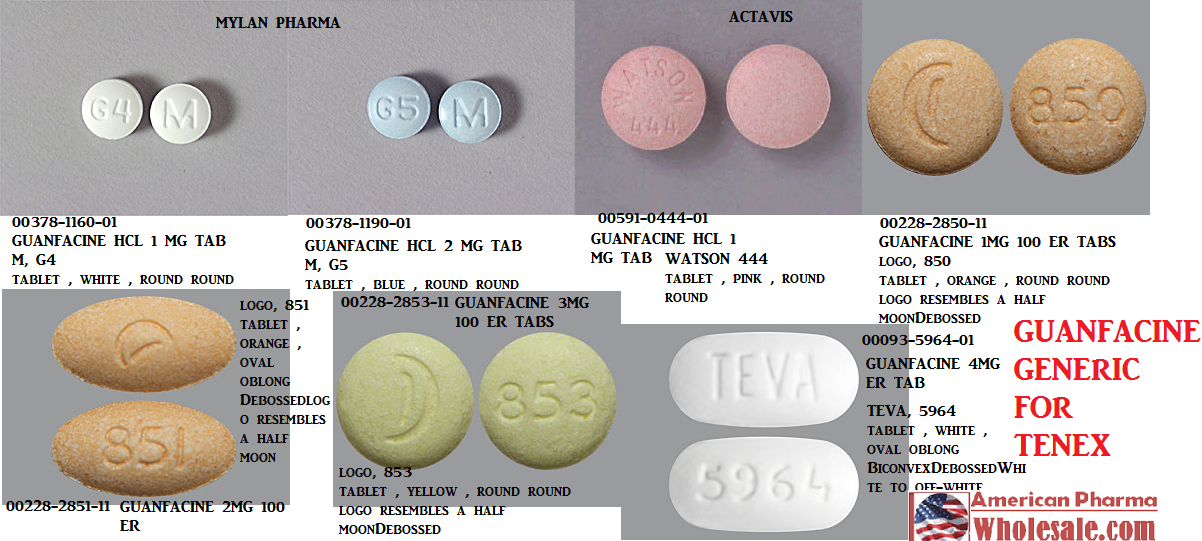
“Guanfacine (brand name Estulic, Tenex and the extended release Intuniv; not to be confused with guaifenesin, an expectorant) is a sympatholytic drug used in the treatment of attention deficit hyperactivity disorder (ADHD), anxiety, and hypertension. It is a selective α2A receptor agonist“ https://en.wikipedia.org/wiki/Guanfacine
“The cannabinoid-1 receptor (CB1R) agonist Δ9-tetrahydrocannabinol (THC), the main psychoactive constituent of cannabis, adversely effects working memory performance in humans. The α2A-adrenoceptor (AR) agonist guanfacine improves working memory performance in humans. The authors aimed to determine the effects of short-term (6 days) treatment with guanfacine on adverse cognitive effects produced by THC.
Employing a double-blind, placebo-controlled crossover design, the cognitive, subjective, and cardiovascular effects produced by oral THC (20 mg) administration were determined twice in the same cannabis users: once after treatment with placebo and once after treatment with guanfacine (3 mg/day).
Although THC increased visual analog scores of subjective effects and heart rate, these increases were similar during treatment with placebo and guanfacine. THC did not significantly affect performance of a recognition memory task or blood pressure while individuals were maintained on either treatment.
Although preliminary, these results suggest that guanfacine warrants further testing as a potential treatment for cannabis-induced cognitive deficits.” https://www.ncbi.nlm.nih.gov/pubmed/28641496 http://neuro.psychiatryonline.org/doi/10.1176/appi.neuropsych.16120328
“Guanfacine (brand name Estulic, Tenex and the extended release Intuniv; not to be confused with guaifenesin, an expectorant) is a sympatholytic drug used in the treatment of attention deficit hyperactivity disorder (ADHD), anxiety, and hypertension. It is a selective α2A receptor agonist“ https://en.wikipedia.org/wiki/Guanfacine
Synaptic functions of endocannabinoid signaling in health and disease.
“Endocannabinoids (eCBs) are a family of lipid molecules that act as key regulators of synaptic transmission and plasticity. They are synthetized “on demand” following physiological and/or pathological stimuli. Once released from postsynaptic neurons, eCBs typically act as retrograde messengers to activate presynaptic type 1 cannabinoid receptors (CB1) and induce short- or long-term depression of neurotransmitter release. Besides this canonical mechanism of action, recent findings have revealed a number of less conventional mechanisms by which eCBs regulate neural activity and synaptic function, suggesting that eCB-mediated plasticity is mechanistically more diverse than anticipated. These mechanisms include non-retrograde signaling, signaling via astrocytes, participation in long-term potentiation, and the involvement of mitochondrial CB1. Focusing on paradigmatic brain areas, such as hippocampus, striatum, and neocortex, we review typical and novel signaling mechanisms, and discuss the functional implications in normal brain function and brain diseases. In summary, eCB signaling may lead to different forms of synaptic plasticity through activation of a plethora of mechanisms, which provide further complexity to the functional consequences of eCB signaling.” https://www.ncbi.nlm.nih.gov/pubmed/28625718 http://www.sciencedirect.com/science/article/pii/S0028390817302861]]>
Cannabidiol upregulates melanogenesis through CB1 dependent pathway by activating p38 MAPK and p42/44 MAPK.
“Melanogenesis plays a critical role in the protection of skin against external stresses such as ultraviolet irradiation and oxidative stressors. This study was aimed to investigate the effects of cannabidiol on melanogenesis and its mechanisms of action in human epidermal melanocytes. We found that cannabidiol increased both melanin content and tryrosinase activity. The mRNA levels of microphthalmia-associated transcription factor (MITF), tyrosinase, tyrosinase-related protein (TRP) 1, and TRP2 were increased following cannabidiol treatment. Likewise, cannabidiol increased the protein levels of MITF, TRP 1, TRP 2, and tyrosinase. Mechanistically, we found that cannabidiol regulated melanogenesis by upregulating MITF through phosphorylation of p38 mitogen-activated protein kinase (MAPK) and p42/44 MAPK, independent of cyclic adenosine monophosphate (cAMP)-protein kinase A (PKA) signaling. In addition, the melanogenic effect of cannabidiol was found to be mediated by cannabinoid CB1 receptor, not by CB2receptor. Taken together, these findings indicate that cannabidiol-induced melanogenesis is cannabinoid CB1 receptor-dependent, and cannabidiol induces melanogenesis through increasing MITF gene expression which is mediated by activation of p38 MAPK and p42/44 MAPK. Our results suggest that cannabidiol might be useful as a protective agent against external stresses.” https://www.ncbi.nlm.nih.gov/pubmed/28601556 http://www.sciencedirect.com/science/article/pii/S0009279716304343]]>
The endocannabinoid system as a target for addiction treatment: Trials and tribulations.
“Addiction remains a major public health concern, and while pharmacotherapies can be effective, clinicians are limited by the paucity of existing interventions. Endocannabinoid signaling is involved in reward and addiction, which raises the possibility that drugs targeting this system could be used to treat substance use disorders. This review discusses findings from randomized controlled trials evaluating cannabinergic medications for addiction. Current evidence suggests that pharmacotherapies containing delta-9-tetrahydrocannabinol, such as dronabinol and nabiximols, are effective for cannabis withdrawal. Dronabinol may also reduce symptoms of opioid withdrawal. The cannabinoid receptor 1 (CB1) inverse agonist rimonabant showed promising effects for smoking cessation but also caused psychiatric side effects and currently lacks regulatory approval. Few trials have investigated cannabinergic medications for alcohol use disorder. Overall, the endocannabinoid system remains a promising target for addiction treatment. Development of novel medications such as fatty acid amide hydrolase inhibitors and neutral CB1 antagonists promises to extend the range of available interventions.” https://www.ncbi.nlm.nih.gov/pubmed/28564576 http://www.sciencedirect.com/science/article/pii/S0028390817302563]]>
Nonopioid placebo analgesia is mediated by CB1 cannabinoid receptors.
 “Placebo analgesia is mediated by both opioid and nonopioid mechanisms, but so far nothing is known about the nonopioid component. Here we show that the specific CB1 cannabinoid receptor antagonist 5-(4-chlorophenyl)-1-(2,4-dichloro-phenyl)-4-methyl-N-(piperidin-1-yl)-1H-pyrazole-3-carboxamide (rimonabant or SR141716) blocks nonopioid placebo analgesic responses but has no effect on opioid placebo responses. These findings suggest that the endocannabinoid system has a pivotal role in placebo analgesia in some circumstances when the opioid system is not involved.”