“The oil of the seeds, petroleum ether and methanol extracts of the whole plant of Cannabis sativa belonging to the family Cannabinaceae were screened for their antimicrobial activity against two Gram positive organisms (Bacillus subtilis, Staphylococcus aureus), two Gram negative organisms (Escherichia coli, Pseudomonas aeruginosa) and two fungi namely Aspergillus niger and Candida albicans using the cup plate agar diffusion method. The oil of the seeds of Cannabis sativa exerted pronounced antibacterial activity (21 – 28 mm) against Bacillus subtilis and Staphylococcus aureus, moderate activity (15 mm) against Escherichia coli and high activity (16 mm) against Pseudomonas aeruginosa and inactive against the two fungi tested. The petroleum ether extract of the whole plant exhibited pronounced antibacterial activity (23 – 28 mm) against both Bacillus subtilis and Staphylococcus aureus organisms, high activity (16 mm) against Escherichia coli and inactive against Pseudomonas aeruginosa and both fungi. The methanol extract of the whole plant showed also pronounced antibacterial activity (29 mm) against Bacillus subtilis, low activity (12 mm) against Staphylococcus aureus and high activity (16 – 18 mm) against both Gram negative organisms, inactive against Aspergillus niger and low activity (13 mm) against Candida albicans. The minimum inhibitory concentrations of Cannabis sativa methanol extracts of the seeds and the whole plant against the standard organisms were determined using the agar plate dilution method. The standard organisms were tested against reference antibacterial and antifungal drugs and the results were compared with the activity of the extracts.” http://www.scirp.org/journal/PaperInformation.aspx?PaperID=18123]]>
Monthly Archives: May 2017
Evaluation of Cannabidiol in Animal Seizure Models by the Epilepsy Therapy Screening Program (ETSP).
 “Cannabidiol (CBD) is a cannabinoid component of marijuana that has no significant activity at cannabinoid receptors or psychoactive effects. There is considerable interest in CBD as a therapy for epilepsy.
Almost a third of epilepsy patients are not adequately controlled by clinically available anti-seizure drugs (ASDs). Initial studies appear to demonstrate that CBD preparations may be a useful treatment for pharmacoresistant epilepsy.
The National Institute of Neurological Disorders and Stroke (NINDS) funded Epilepsy Therapy Screening Program (ETSP) investigated CBD in a battery of seizure models using a refocused screening protocol aimed at identifying pharmacotherapies to address the unmet need in pharmacoresistant epilepsy. Applying this new screening workflow, CBD was investigated in mouse 6 Hz 44 mA, maximal electroshock (MES), corneal kindling models and rat MES and lamotrigine-resistant amygdala kindling models.
Following intraperitoneal (i.p.) pretreatment, CBD produced dose-dependent protection in the acute seizure models; mouse 6 Hz 44 mA (ED50 164 mg/kg), mouse MES (ED50 83.5 mg/kg) and rat MES (ED50 88.9 mg/kg). In chronic models, CBD produced dose-dependent protection in the corneal kindled mouse (ED50 119 mg/kg) but CBD (up to 300 mg/kg) was not protective in the lamotrigine-resistant amygdala kindled rat. Motor impairment assessed in conjunction with the acute seizure models showed that CBD exerted seizure protection at non-impairing doses.
The ETSP investigation demonstrates that CBD exhibits anti-seizure properties in acute seizure models and the corneal kindled mouse. However, further preclinical and clinical studies are needed to determine the potential for CBD to address the unmet needs in pharmacoresistant epilepsy.” https://www.ncbi.nlm.nih.gov/pubmed/28478594
“Cannabidiol (CBD) is a cannabinoid component of marijuana that has no significant activity at cannabinoid receptors or psychoactive effects. There is considerable interest in CBD as a therapy for epilepsy.
Almost a third of epilepsy patients are not adequately controlled by clinically available anti-seizure drugs (ASDs). Initial studies appear to demonstrate that CBD preparations may be a useful treatment for pharmacoresistant epilepsy.
The National Institute of Neurological Disorders and Stroke (NINDS) funded Epilepsy Therapy Screening Program (ETSP) investigated CBD in a battery of seizure models using a refocused screening protocol aimed at identifying pharmacotherapies to address the unmet need in pharmacoresistant epilepsy. Applying this new screening workflow, CBD was investigated in mouse 6 Hz 44 mA, maximal electroshock (MES), corneal kindling models and rat MES and lamotrigine-resistant amygdala kindling models.
Following intraperitoneal (i.p.) pretreatment, CBD produced dose-dependent protection in the acute seizure models; mouse 6 Hz 44 mA (ED50 164 mg/kg), mouse MES (ED50 83.5 mg/kg) and rat MES (ED50 88.9 mg/kg). In chronic models, CBD produced dose-dependent protection in the corneal kindled mouse (ED50 119 mg/kg) but CBD (up to 300 mg/kg) was not protective in the lamotrigine-resistant amygdala kindled rat. Motor impairment assessed in conjunction with the acute seizure models showed that CBD exerted seizure protection at non-impairing doses.
The ETSP investigation demonstrates that CBD exhibits anti-seizure properties in acute seizure models and the corneal kindled mouse. However, further preclinical and clinical studies are needed to determine the potential for CBD to address the unmet needs in pharmacoresistant epilepsy.” https://www.ncbi.nlm.nih.gov/pubmed/28478594
Cannabidiol decreases bone resorption by inhibiting RANK/RANKL expression and pro-inflammatory cytokines during experimental periodontitis in rats.
 “Cannabidiol (CBD) is a cannabinoid component from Cannabis sativa that does not induce psychotomimetic effects and possess anti-inflammatory properties. In the present study we tested the effects of CBD in a periodontitis experimental model in rats. Morphometrical analysis of alveolar bone loss demonstrated that CBD-treated animals presented a decreased alveolar bone loss. These results indicate that CBD may be useful to control bone resorption during progression of experimental periodontitis in rats.” https://www.ncbi.nlm.nih.gov/pubmed/19070683
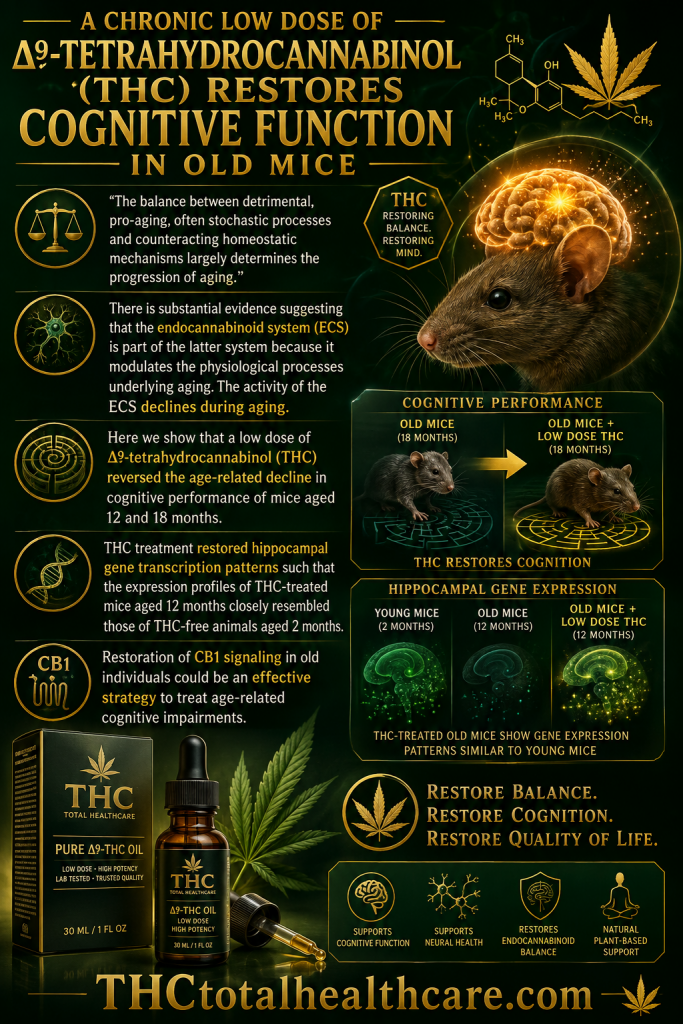

 “A double-blind study was performed comparing 5 mg delta-9-tetrahydrocannabinol (THC) p.o., 50 mg codeine p.o., and placebo in a patient with spasticity and pain due to spinal cord injury. The three conditions were applied 18 times each in a randomized and balanced order. Delta-9-THC and codeine both had an analgesic effect in comparison with placebo. Only delta-9-THC showed a significant beneficial effect on spasticity. In the dosage of THC used no altered consciousness occurred.”