
 “The worldwide prevalence of neurological and neurodegenerative disorders, such as depression or Alzheimer’s disease, has spread extensively throughout the last decades, becoming an enormous health issue.
Numerous data indicate a distinct correlation between the altered endocannabinoid signaling and different aspects of brain physiology, such as memory or neurogenesis. Moreover, the endocannabinoid system is widely regarded as a crucial factor in the development of neuropathologies. Thus, targeting those disorders via synthetic cannabinoids, as well as phytocannabinoids, becomes a widespread research issue.
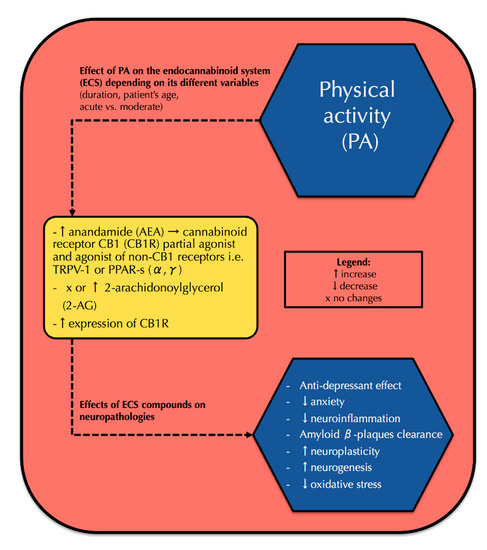
Over the last decade, the endocannabinoid system has been extensively studied for its correlation with physical activity. Recent data showed that physical activity correlates with elevated endocannabinoid serum concentrations and increased cannabinoid receptor type 1 (CB1R) expression in the brain, which results in positive neurological effects including antidepressant effect, ameliorated memory, neuroplasticity development, and reduced neuroinflammation. However, none of the prior reviews presented a comprehensive correlation between physical activity, the endocannabinoid system, and neuropathologies.
Thus, our review provides a current state of knowledge of the endocannabinoid system, its action in physical activity, as well as neuropathologies and a possible correlation between all those fields. We believe that this might contribute to finding a new preventive and therapeutic approach to both neurological and neurodegenerative disorders.”
https://pubmed.ncbi.nlm.nih.gov/32545780/
https://www.mdpi.com/1422-0067/21/12/4221
 “The emergence of multi-drug resistant bacteria such as methicillin-resistant Staphylococcus aureus (MRSA) causes a major threat to public health due to its limited therapeutic options.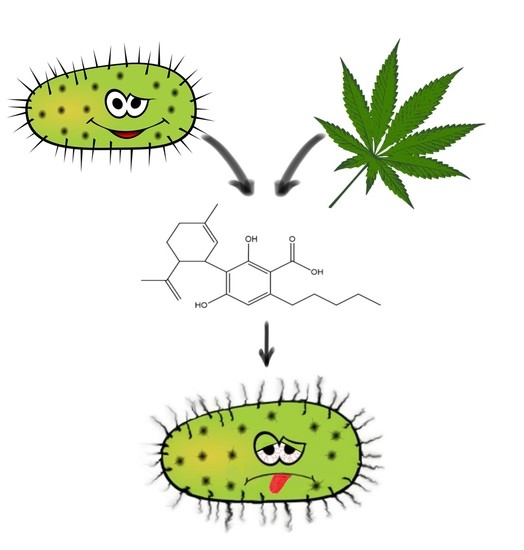
 “Parkinson’s Disease (PD) is currently the most rapid growing neurodegenerative disease and over the past generation, its global burden has more than doubled. The onset of PD can arise due to environmental, sporadic or genetic factors. Nevertheless, most PD cases have an unknown etiology.
 ‘T-cell acute lymphoblastic leukemia (T-ALL) is a highly heterogeneous malignant hematological disorder arising from T-cell progenitors.
 “Irritable bowel syndrome (IBS) is a frequent cause of abdominal pain and altered bowel habits, which is associated with significant healthcare utilization.
 “Medical cannabis (MC) treatment for migraine is practically emerging, although sufficient clinical data are not available for this indication. This cross-sectional questionnaire-based study aimed to investigate the associations between phytocannabinoid treatment and migraine frequency.
 “Moderate to severe spasticity is commonly reported in Multiple Sclerosis (MS) and its management is still a challenge. Cannabinoids were recently suggested as add-on therapy for the treatment of spasticity and chronic pain in MS but there is no conclusive scientific evidence on their safety, especially on cognition and over long periods.
 “Growing evidence recognises cannabinoid receptors as potential therapeutic targets for pain. Consequently, there is increasing interest in developing cannabinoid receptor agonists for treating pain.
 “Alcohol use disorders affect millions of people worldwide and there is growing evidence that excessive alcohol intake causes severe damage to the brain of both humans and animals.