Cannabidiol reduces oxycodone self-administration while preserving its analgesic efficacy in a rat model of neuropathic pain

“Prescription opioid misuse is a significant public health concern among individuals with chronic pain. Treating severe pain often requires high doses of opioids, increasing the risk of developing an opioid use disorder.

Cannabidiol (CBD) is a non-intoxicating component of cannabis that has shown therapeutic potential without abuse liability.

This study investigated the effects of CBD on oxycodone self-administration and hyperalgesia in an animal model of chronic neuropathic pain.

Adult male rats were trained to self-administer intravenous oxycodone (0.06 mg/kg/infusion). Subsequently, they underwent chronic constriction injury (CCI) of the sciatic nerve or received sham surgery. Paw withdrawal latency was measured using the Hargreaves test as an indicator of thermal pain sensitivity. CBD (0, 1, 3, and 10 mg/kg, IP) was administered before the self-administration sessions, and pain testing was conducted afterward. The rats acquired oxycodone self-administration, as indicated by more active than inactive lever presses. CCI surgery decreased the paw withdrawal latency, confirming the induction of neuropathic pain. CCI alone did not affect oxycodone self-administration, suggesting that neuropathic pain does not substantially influence opioid intake at the dose tested.

Treatment with CBD reduced oxycodone self-administration in both the sham and CCI rats. Oxycodone self-administration in the CCI rats reversed the CCI-induced decrease in paw withdrawal latency. However, CBD did not affect the antinociceptive effect of oxycodone in CCI rats.

Taken together, these findings demonstrate that CBD reduces oxycodone self-administration without affecting the antinociceptive effects of oxycodone in neuropathic pain.

This study supports the potential of CBD to reduce opioid use and misuse, regardless of pain status.”

https://pubmed.ncbi.nlm.nih.gov/41521216

https://www.nature.com/articles/s41598-025-31828-y

Cross-sectional comparison of cannabis use in adults with neuropathic versus non-neuropathic pain

Introduction: Cannabis has been decriminalized by many states and shows promise in treating both neuropathic and non-neuropathic pain through its interaction with the endocannabinoid system and anti-inflammatory effects. This study examines differences in cannabis use for adults whose most bothersome chronic pain condition is neuropathic vs. non-neuropathic.

Materials and methods: Survey data were collected from adults receiving care at a pain clinic. Participants completed demographic questions and standardized self-report measures (PROMIS Pain Intensity/Interference and the ID-Pain tool). Participants’ most bothersome pain condition(s) were categorized as neuropathic or non-neuropathic pain based on ID-Pain scores. Linear regression models assessed differences in frequency and duration of cannabis product use between groups, adjusting for age and sex.

Results: A total of 113 individuals were recruited; following exclusions and missing data, 104 participants (61.5% female) were included in the final analysis. Of these, 36.5% reported neuropathic pain as their most bothersome, and 63.5% reported non-neuropathic pain. Those with neuropathic pain reported significantly more days per month of Tetrahydrocannabinol/Cannabidiol (THC/CBD) combination (b = 5.96, p = 0.02), Cannabidiol-only (CBD-only) (b = 8.82, p = 0.03), and Tetrahydrocannabinol-only (THC-only) products (b = 7.04, p = 0.02). They also used THC-only (b = 0.97, p < 0.05) and THC/CBD (b = 1.09, p < 0.01) products more frequently per day. Neuropathic pain was positively associated with pain intensity (b = 4.10, p < 0.001) and interference (b = 4.95, p < 0.001).

Discussion: Adults whose most bothersome pain condition(s) were neuropathic used cannabis, especially THC and THC/CBD combination products, more frequently than those whose most bothersome pain was non-neuropathic. Participants with neuropathic pain also reported higher levels of pain intensity and interference. Further longitudinal research is needed to confirm whether increased use of THC-rich cannabis provides symptom relief for adults with neuropathic pain.”

https://pubmed.ncbi.nlm.nih.gov/41487383

“Cannabis interacts with the endocannabinoid system, making it a potential treatment for neuropathic pain.”

“Because previous studies found THC products to be more effective in managing neuropathic pain by interacting with the endocannabinoid system, it is possible that our participants also experienced benefit; this could explain their higher use of THC containing products.

https://www.frontiersin.org/journals/pain-research/articles/10.3389/fpain.2025.1677391/full

Medical Cannabis and Opioid Receipt Among Adults With Chronic Pain

Question  Is participation in the New York State (NYS) medical cannabis program associated with reduced prescription opioid receipt among adults with chronic pain?

Findings  In this cohort study of 204 adults with chronic pain, participation in the NYS medical cannabis program, defined as monthly dispensation of medical cannabis reported by the dispensary pharmacist, was associated with significantly reduced prescription opioid receipt.

Meaning  These findings suggest that participation in a pharmacist-directed medical cannabis program may help reduce prescription opioid receipt among adults with chronic pain.

Abstract

Importance  Medical cannabis is increasingly considered a substitute for prescription opioid medications for chronic pain, driven by the urgent need for opioid alternatives to combat the ongoing epidemic.

Objective  To determine the association between participation in the New York State (NYS) medical cannabis program and prescription opioid receipt among adults with chronic pain.

Design, Setting, and Participants  This cohort study used data from the NYS Prescription Monitoring Program (PMP) from September 2018 through July 2023. Adults prescribed opioids for chronic pain who were newly certified for medical cannabis use in NYS were recruited from a large academic medical center and nearby medical cannabis dispensaries in the Bronx, New York. Monthly dispensation of medical cannabis to study participants was monitored for 18 months. Data analyses were performed from February 3, 2025, to July 15, 2025.

Exposure  Portion of days covered each month by pharmacist report of dispensed medical cannabis.

Main Outcomes and Measures  Prescription opioid receipt, defined as NYS PMP-reported prescription monthly opioid dispensation (mean daily dose in morphine milliequivalents [MME]), was assessed with marginal structural models adjusted for time-invariant and time-varying confounders, including self-reported unregulated cannabis use. Nonprescribed opioid use was also assessed during the study period.

Results  Among 204 participants, the mean (SD) age at baseline was 56.8 (12.8) years, and 113 (55.4%) were female. At baseline, participants’ mean (SD) pain severity score was 6.6 (1.8) out of 10, and mean (SD) pain interference score was 6.8 (1.9) out of 10. Baseline mean (SD) daily MME was 73.3 (133.0). During the 18-month follow-up period, participants’ mean (SD) daily MME decreased to 57.4 (127.8). This reduction in mean daily MME was associated with the monthly portion of days covered with medical cannabis; compared with no medical cannabis dispensed, participants dispensed a 30-day supply of medical cannabis were exposed to 3.53 fewer MME per day (β = −3.53; 95% CI, −6.68 to −0.04; P = .03).

Conclusions and Relevance  In this cohort study, participation in NYS’s medical cannabis program was associated with reduced prescription opioid receipt during 18 months of prospective follow-up, accounting for unregulated cannabis use.”

https://jamanetwork.com/journals/jamainternalmedicine/article-abstract/2842414

Medical Cannabis Program Lowers Chronic Pain Opioid Prescriptions

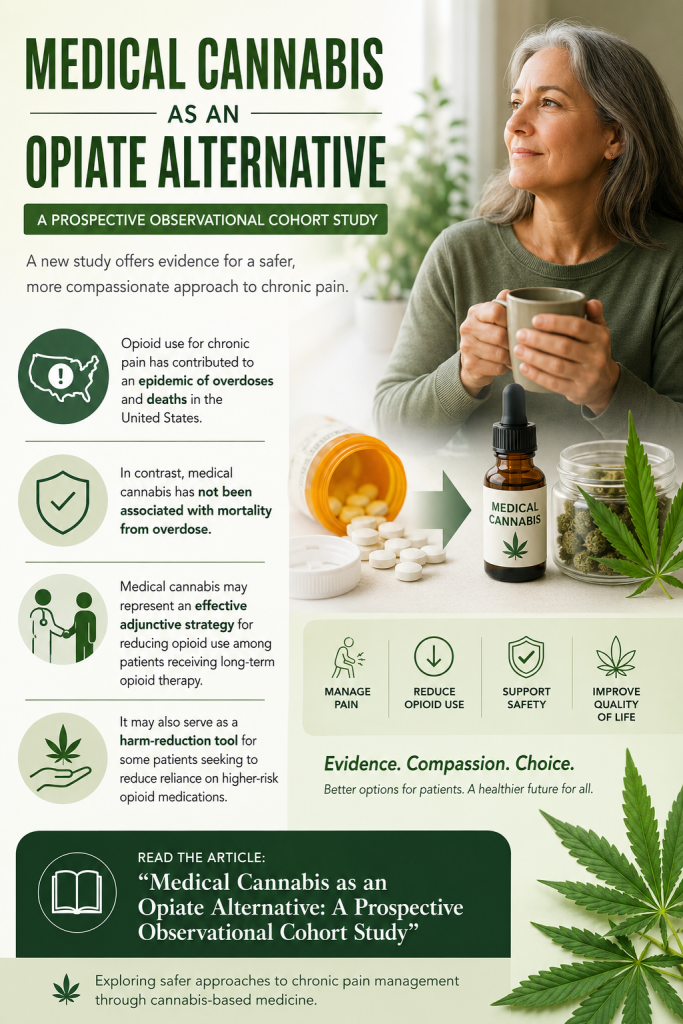
“Access to medical cannabis through a state-regulated program was associated with significantly lower rates of opioid prescriptions among adults with chronic pain, according to findings recently published in JAMA Internal Medicine.

The study included 204 adults enrolled in the New York State medical cannabis program, which provided monthly access to medical cannabis through a dispensary pharmacist, and 142 ultimately obtained the treatment. The data spanned from September 2018 through July 2023. Researchers measured prescription opioid receipt via mean daily dose in morphine milliequivalents (MME) and compared it with how many days’ worth of cannabis individuals were dispensed each month based on pharmacists’ reports.

After 18 months, the mean daily MME decreased by 22%, from 73 to 57.

The authors noted that instead of measuring medical cannabis exposure via its legalization status, they directly analyzed pharmacy dispensation amounts, a more accurate indicator of uptake. Randomized clinical trials are needed to see whether medical cannabis reduces opioid use, they added.”

https://pubmed.ncbi.nlm.nih.gov/41481315

https://jamanetwork.com/journals/jama/fullarticle/2843608

Modulatory Effects of “Minor” Cannabinoids in an in vitro Model of Neuronal Hypersensitivity

Aim: Effective treatment for neuropathic pain remains an unmet clinical need. The therapeutic benefits of the Cannabis plant are well known, especially for pain relief. Here, we have assessed ten “minor” cannabinoids for their analgesic effects in an established model of neuronal hypersensitivity, a key mechanism which underlies neuropathic pain.

Methods: Adult rat DRG neurons were cultured in medium containing 100 ng/mL nerve growth factor (NGF) and 50 ng/mL glial cell-line derived neurotrophic factor (GDNF) for 48 hours to sensitize the neurons. Ca2+ imaging was used to measure the responses to pain stimulation using capsaicin, and to determine the modulatory effects of the cannabinoids, in individual neurons.

Results: Control neurons (nociceptors) showed robust responses of Ca2+ influx to capsaicin application, while neurons treated with ten minor cannabinoids tetrahydrocannabiorcol (THCC), cannabitriol (CBT), cannabidivarin (CBDV), cannabinol (CBN), cannabichromene (CBC), cannabichromevarin (CBCV), cannabicitran (CBCT), cannabigerol monomethyl ether (CBGM), tetrahydrocannabutol (THCB) or tetrahydrocannabiphorol (THCP), at concentrations of 0.001-100 μM, showed differential dose-related effects on the responses to capsaicin. Ca2+ influx in response to capsaicin application was completely inhibited for each compound in 35-78% capsaicin-sensitive neurons, while other neurons showed reduced responses. The opioid receptor agonist morphine and α2δ1- Ca2+ channel inhibitor gabapentin were also tested for comparison and showed similar results. All the cannabinoids tested here inhibited calcium influx in response to capsaicin, and two, namely, CBN and THCC elicited calcium influx at higher doses. Inhibition of Ca2+ influx due to cannabichromene (CBC) was reversed by the potassium channel inhibitor Tertiapin Q.

Conclusion: All the cannabinoids tested here inhibited TRPV1 signalling. CBC targeted K+ channels to block TRPV1 mediated Ca2+ influx, demonstrating potential analgesic effects in vitro.”

https://pubmed.ncbi.nlm.nih.gov/41322279

“The therapeutic benefits of the Cannabis plant are well known, especially for pain relief.”

“In conclusion, our results show that the minor cannabinoids potently inhibit TRPV1 signaling in sensitized DRG neurons, and for CBC by blocking Ca2+ influx via K+ channel activation. This conclusion is based on the reversal of CBC-mediated inhibition in the presence of the K+ channel inhibitor Tertiapin Q. Further studies are necessary to confirm the mechanism, pathways and targets involved in the observed inhibitory effects of the other minor cannabinoids. This will facilitate the identification of cannabinoid combinations likely to have the maximum effect in providing analgesia for inhibiting neuronal sensitization that underlies chronic pain.”

https://www.dovepress.com/modulatory-effects-of-minor-cannabinoids-in-an-in-vitro-model-of-neuro-peer-reviewed-fulltext-article-JPR

Use of Cannabidiol and Cannabigerol in the Treatment of Trigeminal Neuralgia and Postherpetic Pain

“The use of cannabidiol (CBD) as an adjuvant in the treatment of trigeminal neuralgia (TN) and postherpetic neuropathy has shown beneficial effects in patients refractory to conventional treatments.

This case study describes a 57-year-old patient diagnosed with TN in 2019, initially treated with low-power laser therapy and oxcarbazepine. In 2021, she developed vesicular-bullous lesions on the right side of the supraorbital region, accompanied by severe pain confirmed by positive serology for shingles. Following the diagnosis of postherpetic neuropathy, the drug dose was adjusted and combined with laser therapy. However, the pain remained significant and reduced quality of life.

In 2023, treatment was started with CannaMeds CBD Full Spectrum – 3000 mg/30 ml + CannaMeds CBG Isolate 1500 mg/30 ml. After 15 days, the patient appeared pain-free, allowing the laser to be discontinued and the drug dose to be reduced.

CBD is a treatment option for patients who do not respond to conventional treatments.”

https://pubmed.ncbi.nlm.nih.gov/41281696

“It is difficult to find an effective treatment for these conditions, because over time patients no longer respond to treatment. Therefore, the use of CBD and cannabigerol could be an adjuvant treatment option for patients who do not respond to conventional treatment for neuropathic pain.”

https://journals.lww.com/cocd/fulltext/2025/07000/use_of_cannabidiol_and_cannabigerol_in_the.10.aspx

Dual Role of the Spinal Endocannabinoid System in Response to Noxious Stimuli: Antinociceptive Pathways and Neuropathic Pain Mechanisms

pubmed logo

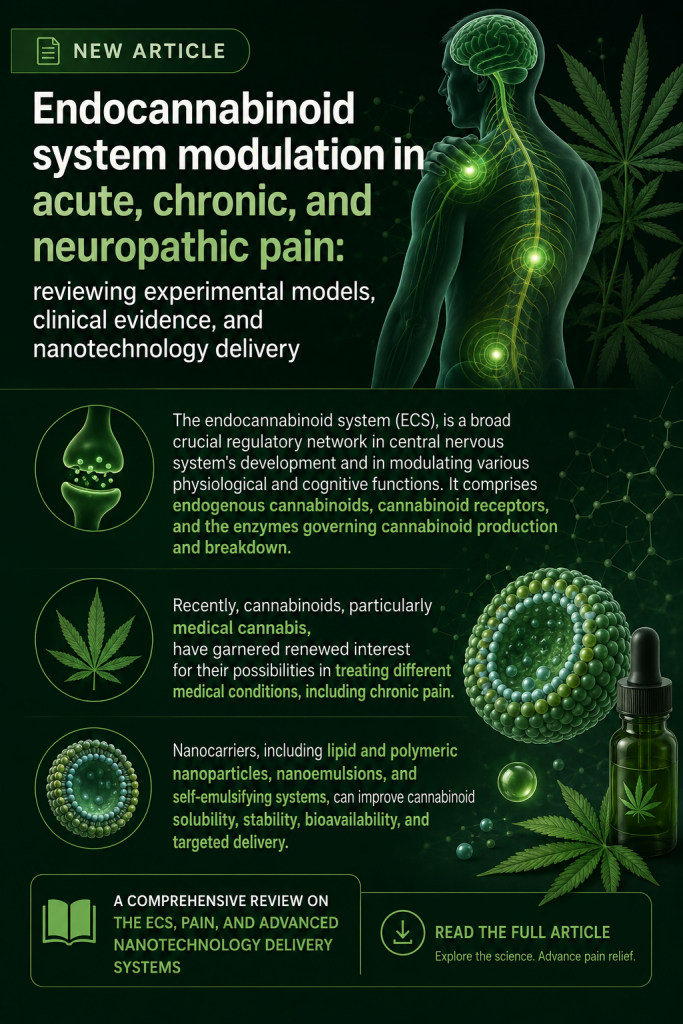
“Neuropathic pain is a clinically challenging syndrome that is largely refractory to conventional therapies. It arises from lesions or diseases affecting somatosensory pathways, which trigger extensive neuroplastic and neuroimmune remodeling. Unlike nociceptive pain, which establishes a protective response to tissue injury, neuropathic pain arises from maladaptive signaling within the nervous system.

In this context, the spinal endocannabinoid system (ECS) has emerged as a pivotal modulator of nociceptive processing. However, its precise role in neuropathic pain remains debated due to its dual effects.

Numerous studies report antinociceptive and neuroprotective effects; however, emerging data indicate that under specific pathological conditions, ECS activation may paradoxically facilitate pain transmission.

This review examines spinal ECS context dependence, uncovering its bidirectional antinociceptive and pronociceptive effects in neuropathic pain. By integrating current evidence on cellular, molecular, and pathophysiological mechanisms, we delineate the factors that determine whether ECS modulation inhibits or promotes pain. A comprehensive understanding of these mechanisms is essential for optimizing cannabinoid-based strategies to maximize therapeutic benefits while minimizing adverse outcomes.

Finally, we highlight the spinal cord’s centrality as the principal site for the initiation and maintenance of neuropathic pain and advocate for rigorous translational research to clarify the therapeutic potential of spinal ECS-targeted interventions.”

https://pubmed.ncbi.nlm.nih.gov/41226728/

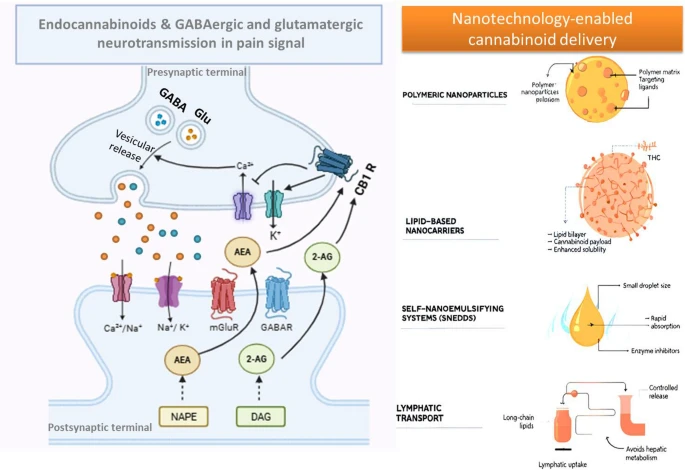
“From a therapeutic perspective, ECS duality represents both a challenge and an opportunity. Pharmacological manipulation of the ECS, through selective CB1R and CB2R agonists, FAAH and MAGL enzyme inhibitors, allosteric modulators, or combined strategies including glial modulators, constitutes a promising avenue for developing innovative treatments targeting neuropathic pain. However, the success of these interventions critically depends on a precise understanding of the pathophysiological context of eCB pathways and the evolutionary stage of the pathology.”

https://www.mdpi.com/1422-0067/26/21/10692

Cannabis Use Patterns Among Adults Living With Chronic Pain Before and During the COVID Pandemic: Insights From the COVID-19 Cannabis Health Study

“Background: This study aims to identify sociodemographic factors associated with cannabis use for chronic pain management before and after COVID-19 was declared a pandemic. Furthermore, it seeks to compare cannabis use patterns in adults with and without chronic pain.

Methods: We analyzed US-based responses from the COVID-19 Cannabis Health Study, a cross-sectional online survey administered via REDCap between March 2020 and March 2022. All respondents were cannabis consumers in the past year. Cannabis use patterns and chronic pain were self-reported via the COVID-19 Cannabis Health Questionnaire. Statistical analysis included Chi-square tests, Fisher’s exact tests, t-tests, and multivariable logistic regression with a two-tailed alpha of 0.05 for significance.

Results: Among 2243 participants, 50.3% consumed cannabis to manage chronic pain. Younger age (< 40 years; aOR: 3.20, 95% CI: 2.59-3.96), Hispanic/Latino ethnicity (aOR: 2.20, 95% CI: 1.56-3.05), and higher income levels (> $100,000 annually; aOR: 1.69, 95% CI: 1.25-2.29) were associated with higher odds of consuming cannabis to manage chronic pain. Participants using cannabis for chronic pain were more likely to use a CBD/THC ratio. The pandemic led to increased dosages and changes in consumption methods: 40.5% increased their cannabis dose, smoking as the primary method declined from 62.2% before the pandemic to 34.5% afterward, while edibles rose from 7.9% to 30.9%, and tinctures from 3.2% to 8.6%. Route changes varied with chronic pain status.

Conclusion: There was a shift from smoking to nonsmoking methods to manage chronic pain. Those who were younger and those of Hispanic/Latino ethnicity had higher odds of using cannabis for chronic pain.”

https://pubmed.ncbi.nlm.nih.gov/41179652/

“In recent years, cannabis has emerged as a promising alternative for pain management, driven by increasing evidence of its analgesic properties.”

https://onlinelibrary.wiley.com/doi/10.1155/prm/9631487

Long-Term Efficacy and Safety of Inhaled Cannabis Therapy for Painful Diabetic Neuropathy: A 5-Year Longitudinal Observational Study

“Background/Objectives: Diabetic neuropathy (DN) is a prevalent complication of diabetes mellitus, affecting up to 50% of long-term patients and causing significant pain, reduced quality of life, and healthcare burden. Conventional treatments, including anticonvulsants, antidepressants, and opioids, offer limited efficacy and are associated with adverse effects. Emerging evidence suggests that cannabis, acting via the endocannabinoid system, may provide analgesic and neuroprotective benefits. This study evaluates the long-term effects of inhaled cannabis as adjunctive therapy for refractory painful DN. Inhaled cannabis exhibits rapid onset pharmacokinetics (within minutes, lasting 2-4 h) due to pulmonary absorption, targeting CB1 and CB2 receptors to modulate pain and inflammation. 

Methods: In this prospective, observational study, 52 patients with confirmed painful DN, unresponsive to at least three prior analgesics plus non-pharmacological interventions, were recruited from a single clinic. Following a 1-month washout, patients initiated inhaled medical-grade cannabis (20% THC, <1% CBD), titrated individually. Assessments occurred at baseline and annually for 5 years, including the Brief Pain Inventory (BPI) for pain severity and interference; the degree of pain relief; Leeds Assessment of Neuropathic Symptoms and Signs (LANSS) score; HbA1c; and medication usage. Statistical analyses used repeated-measures ANOVA, Kruskal-Wallis tests, Welch’s t-tests, and Pearson’s correlations via Analyze-it for Excel. 

Results: Of 52 patients (mean age 45.3 ± 17.8 years; 71.2% male; diabetes duration 23.3 ± 17.8 years), 50 completed follow-up visits. Significant reductions occurred in BPI pain severity (9.0 ± 0.8 to 2.0 ± 0.7, p < 0.001), interference (7.5 ± 1.7 to 2.2 ± 0.9, p < 0.001), LANSS score (19.4 ± 3.8 to 10.2 ± 6.4, p < 0.001), and HbA1c (9.77% ± 1.50 to 7.79% ± 1.51, p < 0.001). Analgesic use decreased markedly (e.g., morphine equivalents: 66.8 ± 49.2 mg to 4.5 ± 9.6 mg). Cannabis dose correlated positively with pain relief (r = 0.74, p < 0.001) and negatively with narcotic use (r = -0.43, p < 0.001) and pain interference (r = -0.43, p < 0.001). No serious adverse events were reported; mild side effects (e.g., dry mouth or euphoria) occurred in 15.4% of patients. 

Conclusions: Inhaled cannabis showed sustained pain relief, improved glycemic control, and opioid-sparing effects in refractory DN over 5 years, with a favorable safety profile. These findings are associative due to the observational design, and randomized controlled trials (RCTs) are needed to confirm efficacy and determine optimal usage, addressing limitations such as single-center bias and small sample size (n = 52). Future studies incorporating biomarker analysis (e.g., endocannabinoid levels) could elucidate mechanisms and enhance precision in cannabis therapy.”

https://pubmed.ncbi.nlm.nih.gov/41153689/

“Inhaled cannabis add-on therapy mitigated symptoms of diabetic neuropathy over the course of a five-year observation period. Some reduction in glycosylated hemoglobin is observed as well as major reduction in the need for other prescription medications, including opiates and opioids. It is possible to state the following: (1). Inhaled cannabis significantly reduced pain and neuropathic symptoms over 5 years. (2). It decreased opioid use, supporting an opioid-sparing effect. (3). HbA1c improvements suggest a metabolic benefit, though causality is unproven. (4). No serious adverse events occurred, with mild effects in 15.4% of patients. (5). RCTs are needed to confirm efficacy and address accessibility barriers. Integration of objective pain assessment tools, such as salivary biomarker devices, could enhance the precision and reproducibility of cannabis therapy outcomes in DN.”

https://www.mdpi.com/2227-9059/13/10/2406

Cannabigerol Modulates Cannabinoid Receptor Type 2 Expression in the Spinal Dorsal Horn and Attenuates Neuropathic Pain Models

pubmed logo

“Background/Objectives: The expanding focus on novel therapeutic pathways for long-term pain relief has directed interest toward compounds obtained from Cannabis sativa. This study evaluated the antinociceptive potential of cannabigerol-enriched extract (CBG) in models of acute and chronic hypernociception, along with morphological outcomes. 

Methods: Formalin and hot plate tests were used on male Swiss mice to assess acute oral antinociception. To the chronic pain model, 8-week-old male Wistar rats underwent spinal nerve ligation (SNL), and CBG was administered orally by gavage once daily for 14 days. 

Results: CBG reduced nociceptive responses in the formalin test and hot plate tests, mainly at a dose of 30 mg/kg, showing antinociceptive activity. CBG attenuated SNL-induced thermal and mechanical hypersensitivity, accompanied by reduced microglial density and spinal morphological changes. Importantly, cannabinoid receptor type 2 (CB2R) signaling contributed to the antinociceptive effects of orally administered CBG, whereas cannabinoid receptor type 1 (CB1R), Brain-Derived Neurotrophic Factor (BDNF), and Tumor Necrosis Factor (TNF) did not appear to play major roles under our experimental conditions. 

Conclusions: Collectively, these findings support CBG as a promising alternative for chronic pain management.”

https://pubmed.ncbi.nlm.nih.gov/41155621/

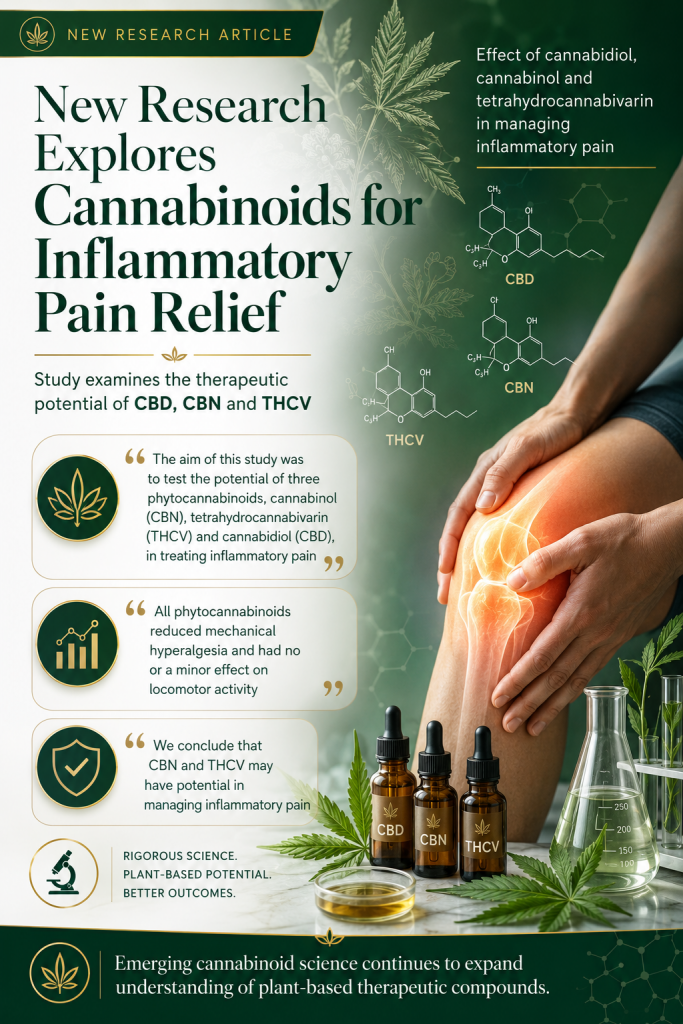
“In summary, our study provides robust evidence that CBG exerts potent antinociceptive effects across acute, inflammatory, and neuropathic pain models.

Collectively, these results highlight CBG as a promising candidate for pain management and support further translational studies.”

https://www.mdpi.com/1424-8247/18/10/1508