
 “Cannabidiol (CBD), the major non-psychoactive constituent of Cannabis sativa L., has gained traction as a potential treatment for intractable chronic pain in many conditions. Clinical evidence suggests that CBD provides therapeutic benefit in certain forms of epilepsy and imparts analgesia in certain conditions, and improves quality of life.
CBD continues to be Schedule I or V on the list of controlled substances of the Drug Enforcement Agency of the United States. However, preparations labeled CBD are available publicly in stores and on the streets. However, use of CBD does not always resolve pain. CBD purchased freely entails the risk of adulteration by potentially hazardous chemicals. As well, CBD use by pregnant women is rising and poses a major health-hazard for future generations.
In this mini-review, we present balanced and unbiased pre-clinical and clinical findings for the beneficial effects of CBD treatment on chronic pain and its deleterious effects on prenatal development.”
https://pubmed.ncbi.nlm.nih.gov/32425793/
https://www.frontiersin.org/articles/10.3389/fphar.2020.00561/full
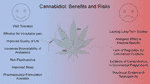
 “Medical cannabis (MC) is becoming more and more popular among patients with chronic pain syndromes.
 “Historical relevance: Cannabis sativa L. (C. sativa) is a plant whose use as a therapeutic agent shares its origins with the first Far East’s human societies. Cannabis has been used not only for recreational purposes, but as a food to obtain textile fibers, to produce hemp paper, to treat many physical and mental disorders.
 “Few models exist that can control for placebo and expectancy effects commonly observed in clinical trials measuring ‘
 “The cannabis plant has been widely researched for many therapeutic indications and found to be effective in many chronic conditions such as epilepsy, neuropathic or chronic pain and more. However, biased opinion against compounds of the plant, regulatory as well as compounding challenges have led to very few approved medicinal products. Those formulations which are approved are dosed several times a day, creating an unmet need for controlled release (CR) formulations of
  “Two patient case reports are presented describing the use of cannabidiol (CBD) for the symptomatic relief of a lumbar compression fracture and in the mitigation of thoracic discomfort and dysesthesia secondary to a surgically resected meningioma.
 “The study documented here was aimed to find the molecular interactions of some of the cannabinoid constituents of
 “While natural Δ9-tetrahidrocannabinol (Δ9THC),
 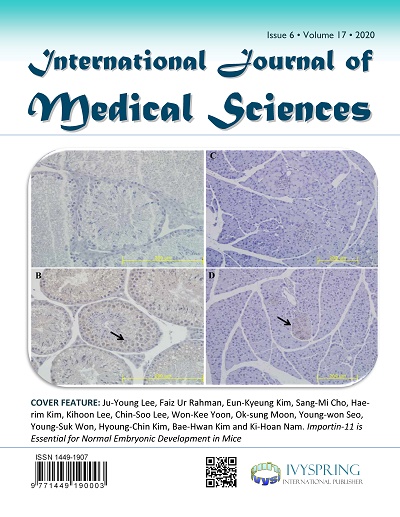 “The inhibitor of DNA binding (Id) proteins are regulators of cell cycle and cell differentiation. Of all Id family proteins, Id1 is mostly linked to tumorigenesis, cellular senescence as well as cell proliferation and survival.