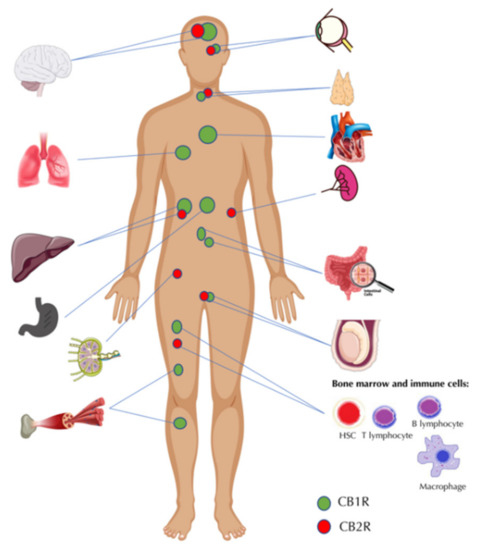
The Origin and Biomedical Relevance of Cannabigerol

ijms-logo

“The constant search for new pharmacologically active compounds, especially those that do not exhibit toxic effects, intensifies the interest in plant-based ingredients and their potential use in pharmacotherapy.

One of the plants that has great therapeutic potential is Cannabis sativa L., a source of the psychoactive Δ9-tetrahydrocannabinol (Δ9-THC), namely cannabidiol (CBD), which exhibits antioxidant and anti-inflammatory properties, and cannabigerol (CBG)-a biologically active compound that is present in much smaller quantities.

CBG is generated during the non-enzymatic decarboxylation of cannabigerolic acid, a key compound in the process of biosynthesis of phytocannabinoids and consequently the precursor to various phytocannabinoids. By interacting with G-protein-coupled receptors, CBG exhibits a wide range of biological activities, inter alia, anti-inflammatory, antibacterial and antifungal activities, regulation of the redox balance, and neuromodulatory effects.

Due to the wide spectrum of biological activities, CBG seems to be a very promising compound to be used in the treatment of diseases that require multidirectional pharmacotherapy. Moreover, it is suggested that due to the relatively rapid metabolism of cannabigerol, determination of the concentration of the phytocannabinoid in blood or oral fluid can be used to determine cannabis use. Therefore, it seems obvious that new therapeutic approaches using CBG can be expected.”

https://pubmed.ncbi.nlm.nih.gov/35887277/

“Although plants and their components have been used in therapeutic activities for several thousand years, their conscious use as elements of drugs, dietary supplements, cosmetics, and other products exhibiting biomedical properties are the result of research carried out over the last 20 years. One of the plants whose ingredients are more and more often studied for use in biomedical and pharmaceutical activities is Cannabis sativa L. At the same time, it should be noted that compounds obtained from Cannabis sativa L. are usually considered more beneficial than synthetic ones, because the latter may cause unwanted side effects when used for longer periods of time.”

“At the moment, cannabigerol is one of the least-known phytocannabinoids found in Cannabis sativa L., which, however, shows promising potential in therapeutic actions. Considering that both CBG and its precursors and metabolites are lipophilic, it favors the penetration the penetration through biological membranes and indicates the possibility of biological activity in the lipid sphere mainly through interactions with the endocannabinoid system, including G-protein-coupled receptors. As a result of these interactions as well as direct actions, CBD exhibits antioxidant and anti-inflammatory properties, while both CBG and CBGA as well as its synthetic derivatives exhibit neuromodulatory effects. Moreover, CBG has been shown to reduce the survival of glioblastoma cells, similar to temozolomide used both in monotherapy and with CBG. So far, however, the data in this regard are inconclusive and, moreover, come from in vitro and animal studies that require validation on human tissues and cells used ex vivo, prior to possible clinical trials. No harmful effect of CBG on the human body has been found so far, and the proven biological activity indicates CBG and its derivatives as very promising natural compounds that should be thoroughly tested both in vitro and in vivo in order to unequivocally determine the therapeutic usefulness, especially with regard to inflammatory diseases. Therefore, it seems obvious that new therapeutic approaches using the non-psychoactive ingredients of Cannabis sativa L, including CBG, can be expected in the nearest future.”

https://www.mdpi.com/1422-0067/23/14/7929/htm
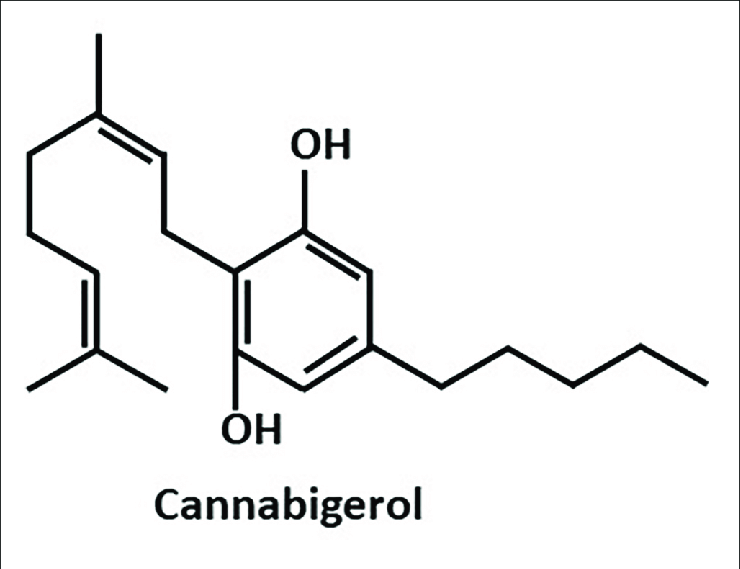
The chemical structure of Cannabigerol (CBG). | Download Scientific Diagram


Anti-Inflammatory and Analgesic Properties of the Cannabis Terpene Myrcene in Rat Adjuvant Monoarthritis

ijms-logo

“Cannabis-based terpenes are believed to modulate physiological responses to disease and alter the efficacy of cannabinoids in the so-called “entourage effect”. The monoterpene myrcene can reduce nociception produced by noxious thermal and mechanical stimuli as well as reducing acute inflammation.

The current study examined the role of myrcene and cannabidiol (CBD) in controlling chronic joint inflammation and pain.

Chronic arthritis was induced in male Wistar rats by intra-articular injection of Freund’s complete adjuvant into the right knee. On days 7 and 21 after arthritis induction, joint pain (von Frey hair algesiometry), inflammation (intravital microscopy, laser speckle contrast analysis) and joint histopathology were assessed.

Local application of myrcene (1 and 5 mg/kg s.c.) reduced joint pain and inflammation via a cannabinoid receptor mechanism. The combination of myrcene and CBD (200 μg) was not significantly different from myrcene alone. Repeated myrcene treatment had no effect on joint damage or inflammatory cytokine production.

These data suggest that topical myrcene has the potential to reduce chronic arthritis pain and inflammation; however, it has no synergistic effect with CBD.”

https://pubmed.ncbi.nlm.nih.gov/35887239/

“In summary, myrcene was found to have anti-inflammatory and analgesic effects in inflammatory joint disease by activating articular cannabinoid receptors. Together, these findings may explain why arthritis patients prefer Cannabis strains rich in myrcene to help manage their pain and inflammation.”

https://www.mdpi.com/1422-0067/23/14/7891/htm

The Endocannabinoid System and Physical Activity-A Robust Duo in the Novel Therapeutic Approach against Metabolic Disorders

ijms-logo

“Rapidly increasing worldwide prevalence of obesity and related pathologies encompassing coronary heart disease, hypertension, metabolic syndrome, or type 2 diabetes constitute serious threats to global health and are associated with a significantly elevated risk of premature death. Considering the enormous burden of these pathologies, novel therapeutic and preventive patterns are indispensable.

Dysregulation of one of the most complex biological systems in the human body namely, the endocannabinoid system (ECS) may result in metabolic imbalance and development of insulin resistance, type 2 diabetes, or non-alcoholic fatty liver disease. Furthermore, many studies showed that physical exercises, depending on their type, intensity, and frequency, exert various alterations within the ECS.

Emerging evidence suggests that targeting the ECS via physical activity may produce robust beneficial effects on the course of metabolic pathologies. However, the data showing a direct correlation between the ECS and physical activity in the aspect of metabolic health are very scarce. Therefore, the aim of this review was to provide the most up-to-date state of knowledge about the interplay between the ECS activity and physical exercises in the novel therapeutic and preventive approach toward metabolic pathologies.

We believe that this paper, at least in part, will fulfill the existing gap in knowledge and encourage researchers to further explore this very complex yet interesting link between the ECS, its action in physical activity, and subsequent positive outcomes for metabolic health.”

https://pubmed.ncbi.nlm.nih.gov/35328503/

“To the best of our knowledge, this is the first review directly and comprehensively discussing the uncharted link between physical activity and its influence on the endocannabinoid signaling in the aspect of beneficial effects in the management of metabolic disorders. Considering the very alarming worldwide prevalence of these diseases as well as the unexplored potential of the topic, we believe that this paper, at least in part, will encourage researchers toward investigating this interesting, yet very complicated interplay. ECS and physical activity constitute robust and valuable therapeutic and preventive approaches that may significantly contribute to the decreased socioeconomic burden and the reduced annual number of patients suffering from obesity and other metabolic disorders. The future investigation should primarily encompass further discovery of the link between physical activity, alterations within endocannabinoid signaling and subsequently improved metabolic status of overweight, obese, and diabetic individuals.”

https://www.mdpi.com/1422-0067/23/6/3083/htm


“Exercise activates the endocannabinoid system”

https://pubmed.ncbi.nlm.nih.gov/14625449/

Cannabidiol improves thyroid function via modulating vitamin D 3 receptor in vitamin D 3 deficiency diet-induced rat model

SpringerLink

“The study was evaluated the impact of cannabidiol (CBD) on thyroid hormones by modulation cannabinoid receptor-2 (CB2) and vitamin D receptor (VDR) in rats fed with vitamin D3 deficiency diet (VDD).

CB2-receptors were analyzed by RT-PCR method and others biomarkers by ELISA. The relative expression of CB2 (thyroid ~ 4 folds), VDR protein (liver, 151.72%), and (kidney, 66%) was significantly increased in CBD-60 compared to VDD. Vitamin D3 metabolites were significantly increased serum (189.42%), kidney (73.84%), and liver (58.11%) in CBD-60 than VDD. Increased thyroxine (59.9%) and calcitonin (213.59%); while decreased thyroid-stimulating hormone (36.15%) and parathyroid hormone (38.64%) was observed CBD treatment in VDD rats.

In conclusion, CBD treatment improves CB2 and VDR expression and the level of vitamin D3 metabolites, along with improved thyroid hormones, including calcitonin. This is the first report with an improved CB2 and VDR expression after CBD treatment in VDD induced animals.

Thus, CBD can be considered to use in hypothyroidism conditions and to maintain bone health.”

https://pubmed.ncbi.nlm.nih.gov/35872737/

https://link.springer.com/article/10.1007/s13197-022-05492-3

Anti-cancer properties of cannflavin A and potential synergistic effects with gemcitabine, cisplatin, and cannabinoids in bladder cancer

“Introduction: Several studies have shown anti-tumor effects of components present in cannabis in different models. Unfortunately, little is known about the potential anti-tumoral effects of most compounds present in cannabis in bladder cancer and how these compounds could potentially positively or negatively impact the actions of chemotherapeutic agents. Our study aims to evaluate the effects of a compound found in Cannabis sativa that has not been extensively studied to date, cannflavin A, in bladder cancer cell lines. We aimed to identify whether cannflavin A co-treatment with agents commonly used to treat bladder cancer, such as gemcitabine and cisplatin, is able to produce synergistic effects. We also evaluated whether co-treatment of cannflavin A with various cannabinoids could produce synergistic effects.

Results: Cell viability of bladder cancer cell lines was affected in a concentration-dependent fashion in response to cannflavin A, and its combination with gemcitabine or cisplatin induced differential responses-from antagonistic to additive-and synergism was also observed in some instances, depending on the concentrations and drugs used. Cannflavin A also activated apoptosis via caspase 3 cleavage and was able to reduce invasion by 50%. Interestingly, cannflavin A displayed synergistic properties with other cannabinoids like Δ9-tetrahydrocannabinol, cannabidiol, cannabichromene, and cannabivarin in the bladder cancer cell lines.

Discussion: Our results indicate that compounds from Cannabis sativa other than cannabinoids, like the flavonoid cannflavin A, can be cytotoxic to human bladder transitional carcinoma cells and that this compound can exert synergistic effects when combined with other agents. In vivo studies will be needed to confirm the activity of cannflavin A as a potential agent for bladder cancer treatment.”

https://pubmed.ncbi.nlm.nih.gov/35869542/

“A study recently demonstrated that the combination of Δ9-tetrahydrocannabinol and cannabichromene produced synergistic effects in a bladder cancer model, while another focused on the effects of cannabidiol and their potential formulation within nanoparticles to treat bladder cancer. Here, we show that other compounds from cannabis, like cannflavin A, may also induce beneficial cytotoxic and synergistic effects on bladder cancer cells. Our results also showed the ability of cannabinoids, other than Δ9-tetrahydrocannabinol, to produce synergistic effects when combined with the flavonoid cannflavin A.”

https://jcannabisresearch.biomedcentral.com/articles/10.1186/s42238-022-00151-y


The anti-inflammatory effects of cannabidiol and cannabigerol alone, and in combination

Pulmonary Pharmacology & Therapeutics

“Introduction/background and purpose: Studies with Cannabis Sativa plant extracts and endogenous agonists of cannabinoid receptors have demonstrated anti-inflammatory, bronchodilator, and antitussive properties in the airways of allergic and non-allergic animals. However, the potential therapeutic use of cannabis and cannabinoids for the treatment of respiratory diseases has not been widely investigated, in part because of local irritation of airways by needing to smoke the cannabis, poor bioavailability when administered orally due to the lipophilic nature of cannabinoids, and the psychoactive effects of Δ9-Tetrahydrocannabinol (Δ9-THC) found in cannabis. The primary purpose of this study was to investigate the anti-inflammatory effects of two of the non-psychotropic cannabinoids, cannabidiol (CBD) and cannabigerol (CBG) alone and in combination, in a model of pulmonary inflammation induced by bacterial lipopolysaccharide (LPS). The second purpose was to explore the effects of two different cannabinoid formulations administered orally (PO) and intraperitoneally (IP). Medium-chain triglyceride (MCT) oil was used as the sole solvent for one formulation, whereas the second formulation consisted of a Cremophor® EL (polyoxyl 35 castor oil, CrEL)-based micellar solution.

Results: Exposure of guinea pigs to LPS induced a 97 ± 7% and 98 ± 3% increase in neutrophils found in bronchoalveolar lavage fluid (BAL) at 4 h and 24 h, respectively. Administration of CBD and CBG formulated with MCT oil did not show any significant effects on the LPS-induced neutrophilia measured in the BAL fluid when compared with the vehicle-treated groups. Conversely, the administration of either cannabinoid formulated with CrEL induced a significant attenuation of the LPS induced recruitment of neutrophils into the lung following both intraperitoneal (IP) and oral (PO) administration routes, with a 55-65% and 50-55% decrease in neutrophil cell recruitment with the highest doses of CBD and CBG respectively. A combination of CBD and CBG (CBD:CBG = 1:1) formulated in CrEL and administered orally was also tested to determine possible interactions between the cannabinoids. However, a mixture of CBD and CBG did not show a significant change in LPS-induced neutrophilia. Surfactants, such as CrEL, improves the dissolution of lipophilic drugs in an aqueous medium by forming micelles and entrapping the drug molecules within them, consequently increasing the drug dissolution rate. Additionally, surfactants increase permeability and absorption by disrupting the structural organisation of the cellular lipid bilayer.

Conclusion: In conclusion, this study has provided evidence that CBD and CBG formulated appropriately exhibit anti-inflammatory activity. Our observations suggest that these non-psychoactive cannabinoids may have beneficial effects in treating diseases characterised by airway inflammation.”

https://pubmed.ncbi.nlm.nih.gov/34082108/

“The discovery of the endocannabinoid system (ECS) has enabled the growth of scientific evidence supporting the use of cannabis and cannabinoids as therapeutic agents for various diseases.

Various studies have suggested the use of cannabinoids as possible treatments for inflammatory diseases”

https://www.sciencedirect.com/science/article/abs/pii/S1094553921000596?via%3Dihub

Acidic cannabinoids suppress pro-inflammatory cytokine release by blocking Store-Operated Calcium Entry

Graphical Abstract

“Cannabis sativa has long been known to affect numerous biological activities. Although plant extracts, purified cannabinoids, or synthetic cannabinoid analogs have shown therapeutic potential in pain, inflammation, seizure disorders, appetite stimulation, muscle spasticity, and treatment of nausea/vomiting, the underlying mechanisms of action remain ill-defined.

In this study we provide the first comprehensive overview of the effects of whole-plant Cannabis extracts and various pure cannabinoids on store-operated calcium (Ca2+) entry (SOCE) in several different immune cell lines.

SOCE is one of the most significant Ca2+ influx mechanism in immune cells and it is critical for the activation of T lymphocytes, leading to the release of pro-inflammatory cytokines and mediating inflammation and T cell proliferation, key mechanisms for maintaining chronic pain.

While the two major cannabinoids cannabidiol (CBD) and trans-Δ9-tetrahydrocannabinol (THC) were largely ineffective in inhibiting SOCE, we report for the first time that several minor cannabinoids, mainly the carboxylic acid derivatives and particularly the cannabigerolic acid (CBGA), demonstrated high potency against SOCE by blocking Calcium Release-Activated Calcium (CRAC) currents. Moreover, we show that this inhibition of SOCE resulted in a decrease of Nuclear Factor of Activated T-cells (NFAT) activation and Interleukin 2 (IL-2) production in human T lymphocytes.

Taken together, these results indicate that cannabinoid-mediated inhibition of a pro-inflammatory target such as SOCE may at least partially explain the anti-inflammatory and analgesic effects of Cannabis.”

https://pubmed.ncbi.nlm.nih.gov/35910331/

https://academic.oup.com/function/advance-article/doi/10.1093/function/zqac033/6634246

“Marijuana plant might hold key to treating chronic inflammation”

https://medicalxpress.com/news/2022-07-marijuana-key-chronic-inflammation.html

Weight loss outcomes are not compromised in bariatric patients using cannabis

SpringerLink

“Background: The legalization of cannabis in several states has led to increased documented use in the population. Bariatric surgery patients are no exception with estimates of anywhere from 6 to 8%. Cannabis is known to be associated with increased appetite, mood disorders, hyperphagia, and rarely, hyperemesis, which can potentially affect post-surgical weight loss. We aim to study the differences in bariatric surgery outcomes between cannabis users and non-users.

Results: A cohort of 364 sleeve gastrectomy patients met inclusion criteria, 31 (8.5%) CU and 333 (91.5%) non-CU. There was no difference in EWL between CU and non-CU at 1 week, 1 month, 3 months, 6 months, 9 months, 1 year, and 2 years. However, the CU group trended towards greater EWL at 3 years (52.9% vs. 38.1%, p = 0.094) and at 5 years (49.8% vs. 32.7%, p = 0.068). There were no significant differences between CU and non-CU with respect to either incidence or severity of PONV at one year after surgery or longer follow-up.

Conclusion: Cannabis users did not experience inferior weight loss after bariatric surgery despite common assumptions that appetite stimulation can lead to suboptimal weight loss outcomes. Our findings add to other work challenging this dogma. Larger, long-term, multicenter studies are warranted.”

https://pubmed.ncbi.nlm.nih.gov/35861881/

https://link.springer.com/article/10.1007/s00464-022-09453-x

Protective Effects of Cannabis sativa on chemotherapy-induced nausea in a rat: Involvement of CB1 receptors

“Cyclophosphamide is an anticancer and immunosuppressive agent used in the treatment of various malignancies but causing gastrointestinal distress.

Cannabis sativa (C. sativa) and its derivatives have been used for the treatment of human gastrointestinal disorders. A purpose of this study was to investigate the effect of C. sativa on nausea induced by cyclophosphamide in rats.

Results showed that C. sativa ameliorates cyclophosphamide-induced emesis by increasing in body weight and normal diet intake with a decrease in kaolin diet intake after 7 days. Moreover, C. sativa significantly decreases (serotonin) 5HT, dopamine and noradrenaline, as well as, decreasing oxidative stress and inflammation. Administration of C. sativa significantly increased the expression of CB1R in intestinal homogenate. Treatment with C. sativa, also, improved the histological feature of an intestinal tissue.

These results suggested that C. sativa possess antiemetic, antioxidant and anti-inflammatory effects in chemotherapy-induced nausea in rats by activating CB1R.”

https://pubmed.ncbi.nlm.nih.gov/35861135/

https://onlinelibrary.wiley.com/doi/10.1111/fcp.12821

Cannabinoids for the Treatment of Dermatologic Conditions

“In recent years, cannabinoid (CB) products have gained popularity among the public. The anti-inflammatory properties of CBs have piqued the interest of researchers and clinicians because they represent promising avenues for the treatment of autoimmune and inflammatory skin disorders that may be refractory to conventional therapy.

The objective of this study was to review the existing literature regarding CBs for dermatologic conditions.

There were 13 articles on systemic CBs and 14 reports on topical CBs. Selective CB receptor type 2 agonists were found to be effective in treating diffuse cutaneous systemic sclerosis and dermatomyositis. Dronabinol showed efficacy for trichotillomania. Sublingual cannabidiol and Δ-9-tetrahydrocannabinol were successful in treating the pain associated with epidermolysis bullosa.

Available evidence suggests that CBs may be effective for the treatment of various inflammatory skin disorders. Although promising, additional research is necessary to evaluate efficacy and to determine dosing, safety, and long-term treatment guidelines.”

https://pubmed.ncbi.nlm.nih.gov/35199092/

“In conclusion, both oral and topical CBs appear to be promising therapies for the treatment of various inflammatory and autoimmune skin disorders. Despite limited studies, the compilation of current evidence from the published literature supports the utility of topical and systemic CBs for the treatment of primary inflammatory skin disorders such as DM, diffuse cutaneous systemic sclerosis, atopic dermatitis, leg ulcers, and epidermolysis bullosa.”

https://www.jidinnovations.org/article/S2667-0267(22)00001-7/fulltext