Activation of cannabinoid CB2 receptor ameliorates atherosclerosis associated with suppression of adhesion molecules.

“Adhesion molecules have been implicated in the development and progression of atherosclerosis. Cannabinoids have been reported to modulate the migration and adhesion molecules expression of various cell types.

Here we examined the effects of WIN55212-2, a cannabinoid receptor 1 (CB1-R)/cannabinoid receptor 2 (CB2-R) agonist on the development of atherosclerotic lesions…

WIN55212-2 seems to have direct anti-atherosclerotic effects in an animal model of atherosclerosis… these beneficial effects of WIN55212-2 may be mediated through the CB2 receptor.”

http://www.ncbi.nlm.nih.gov/pubmed/20075743

Towards a therapeutic use of selective CB2 cannabinoid receptor ligands for atherosclerosis.

“Atherosclerosis remains the primary cause of heart disease and stroke, causing approximately 50% of all deaths in Western countries. The identification of promising novel anti-atherosclerotic therapies is therefore of great interest and represents a continued challenge to the medical community.

Cannabinoids, such as Delta9-tetrahydrocannabinol (THC), which is the major psychoactive compound of marijuana, modulate immune functions and might therefore be of therapeutic use for the treatment of inflammatory diseases.

The authors have demonstrated recently that oral treatment with low dose THC inhibits atherosclerosis progression in mice through pleiotropic immunomodulatory effects on inflammatory cells. All these effects were mediated via the cannabinoid receptor CB(2), the main cannabinoid receptor expressed on immune cells.

The identification and characterization of cannabinoid derivative that selectively activate CB(2) receptors and are devoid of adverse effects might offer a novel therapeutic strategy for the treatment of atherosclerosis.”

http://www.ncbi.nlm.nih.gov/pubmed/19804131

https://www.futuremedicine.com/doi/abs/10.2217/14796678.2.1.49

“Researchers suggest that THC and other cannabinoids, which are active at CB2, the cannabinoid receptor expressed on immune cells, may be valuable in treating atherosclerosis.” https://www.medscape.com/viewarticle/787468

Low dose oral cannabinoid therapy reduces progression of atherosclerosis in mice

Figure 1 : The cannabinoid receptor CB2 is expressed in human and mouse atherosclerotic plaques. Unfortunately we are unable to provide accessible alternative text for this. If you require assistance to access this image, or to obtain a text description, please contact npg@nature.com

“Atherosclerosis is a chronic inflammatory disease… Derivatives of cannabinoids such as delta-9-tetrahydrocannabinol (THC) modulate immune functions and therefore have potential for the treatment of inflammatory diseases.

We investigated the effects of THC in a murine model of established atherosclerosis.

Oral administration of THC resulted in significant inhibition of disease progression.

Our data demonstrate that oral treatment with a low dose of THC inhibits atherosclerosis progression in the apolipoprotein E knockout mouse model, through pleiotropic immunomodulatory effects on lymphoid and myeloid cells.

Thus, THC or cannabinoids with activity at the CB2 receptor may be valuable targets for treating atherosclerosis.”

http://www.nature.com/nature/journal/v434/n7034/full/nature03389.html

http://www.ncbi.nlm.nih.gov/pubmed/15815632


Marijuana Chemical Fights Hardened Arteries – WebMD

WebMD: Better information. Better health.

“The active ingredient in marijuana that produces changes in brain messages appears to fight atherosclerosis — a hardening of the arteries.

It takes a very specific amount of THC — marijuana’s key chemical — to help the arteries. That dose is too low to produce mood-altering effects in the brain, according to the new study.

“It would be difficult to achieve such specific concentrations in the blood by smoking marijuana,” Roth explains in a Nature editorial.”

http://www.webmd.com/heart-disease/news/20050406/marijuana-chemical-fights-hardened-arteries

“Low dose oral cannabinoid therapy reduces progression of atherosclerosis in mice” http://www.nature.com/nature/journal/v434/n7034/full/nature03389.html

 http://www.thctotalhealthcare.com/category/atherosclerosis-2/

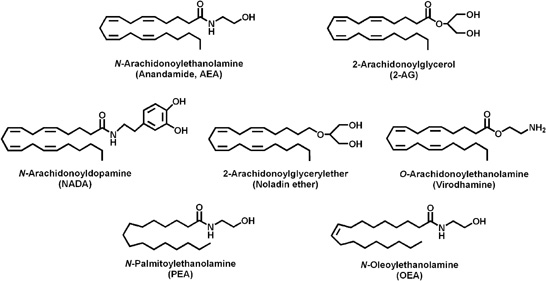
A new face of endocannabinoids in pharmacotherapy. Part I & II

“A new face of endocannabinoids in pharmacotherapy. Part I: Protective role of endocannabinoids in hypertension and myocardial infarction.

Cannabinoids are compounds which were first isolated from the Cannabis sativa plant. For thousands of years they have been used for treatment of numerous diseases.

Currently, synthetic cannabinoids and endocannabinoids are also known. Cannabinoid receptors, endocannabinoids and the enzymes that catalyze their synthesis and degradation constitute the endocannabinoid system which plays an important role in functioning of the cardiovascular system.

The results obtained to date suggest the involvement of endocannabinoids in the pathology of many cardiovascular diseases, including myocardial infarction, hypertension and hypotension associated with hemorrhagic, endotoxic, and cardiogenic shock. Cardioprotective effect and dilation of coronary vessels induced by endocannabinoids deserve special attention.

It cannot be excluded now that in the future our better understanding of cannabinoid system will allow to develop new strategies for treatment of cardiovascular diseases.”

http://www.jpp.krakow.pl/journal/archive/04_14/pdf/171_04_14_article.pdf

“A new face of endocannabinoids in pharmacotherapy. Part II. Role of endocannabinoids in inflammation-derived cardiovaascular diseases.

 Endocannabinoids play an important role in cardiovascular diseases caused by inflammatory disorders. Endocannabinoids are endogenous bioactive lipids that activate cannabinoid receptors and together with enzymes responsible for their synthesis and degradation constitute endocannabinoid system.

The results obtained to date suggest the involvement of endocannabinoids in the pathology of many cardiovascular diseases associated with inflammation, such as atherosclerosis, restenosis, chemotherapy-induced myocardial injury, diabetic and hepatic cirrhosis cardiomyopathy.

Our better understanding of cannabinoid system may result in the development of new strategies for the treatment of such disorders.”

http://www.jpp.krakow.pl/journal/archive/04_14/pdf/183_04_14_article.pdf

Δ9-tetrahydrocannabinol and its major metabolite Δ9-tetrahydrocannabinol-11-oic acid as 15-lipoxygenase inhibitors.

“Δ(9)-Tetrahydrocannabinol (Δ(9)-THC), a major component of marijuana, has suggested to suppress atherosclerosis…. Δ(9)-THC seems to be attractive for the prevention of atherosclerosis…

In the present study, Δ(9)-THC was found to be a direct inhibitor for 15-LOX…

Furthermore, Δ(9)-THC-11-oic acid, a major and nonpsychoactive metabolite of Δ(9) -THC, but not another Δ(9)-THC metabolite 11-OH-Δ(9)-THC (psychoactive), was revealed to inhibit 15-LOX.

Taken together, it is suggested that Δ(9) -THC can abrogate atherosclerosis via direct inhibition of 15-LOX, and that Δ(9)-THC-11-oic acid is shown to be an “active metabolite” of Δ(9) -THC in this case.”

http://www.ncbi.nlm.nih.gov/pubmed/20891010

“15-lipoxygenase inhibitors as anti-atherosclerosis agents.” http://www.ncbi.nlm.nih.gov/pubmed/18465533

Cannabidiol-2′,6′-dimethyl ether, a cannabidiol derivative, is a highly potent and selective 15-lipoxygenase inhibitor.

“Cannabidiol (CBD), one of the major components of marijuana, is known to inhibit LOX activity…

15-LOX is suggested to be involved in development of atherosclerosis, and CBDD may be a useful prototype for producing medicines for atherosclerosis.”

http://dmd.aspetjournals.org/content/37/8/1733.long

“15-lipoxygenase inhibitors as anti-atherosclerosis agents.”  http://www.ncbi.nlm.nih.gov/pubmed/18465533

Protective Effects of Cannabidiol Against Hippocampal Cell Death and Cognitive Impairment Induced by Bilateral Common Carotid Artery Occlusion in Mice.

“The present study investigated whether cannabidiol (CBD), a major non-psychoactive constituent of marijuana, protects against hippocampal neurodegeneration and cognitive deficits induced by brain ischemia in adult mice…

These findings suggest a protective effect of CBD on neuronal death induced by ischemia and indicate that CBD might exert beneficial therapeutic effects in brain ischemia. The mechanisms that underlie the neuroprotective effects of CBD in BCCAO mice might involve the inhibition of reactive astrogliosis.”

http://www.ncbi.nlm.nih.gov/pubmed/24532152

Detailed characterization of the endocannabinoid system in human macrophages and foam cells, and anti-inflammatory role of type-2 cannabinoid receptor.

“Here, we sought to ascertain whether different elements of the endocannabinoid system (ECS) were activated in human lipid-laden macrophages, and whether CB2R played any role in atherogenesis and inflammation of these cells…

CONCLUSIONS:

A fully active ECS is present in human macrophages and macrophage-derived foam cells. Selective activation of CB2R reduces CD36-dependent oxLDL accumulation and modulates production of inflammatory cytokines, thus representing a potential therapeutic strategy to combat atherosclerosis.”

http://www.ncbi.nlm.nih.gov/pubmed/24529123

Effects of cannabinoid receptor type 2 on endogenous myocardial regeneration by activating cardiac progenitor cells in mouse infarcted heart.

“Cannabinoid receptor type 2 (CB2) activation is recently reported to promote proliferation of some types of resident stem cells (e.g., hematopoietic stem/progenitor cell or neural progenitor cell).

Resident cardiac progenitor cell (CPC) activation and proliferation are crucial for endogenous cardiac regeneration and cardiac repair after myocardial infarction (MI). This study aims to explore the role and possible mechanisms of CB2 receptor activation in enhancing myocardial repair…

In conclusion, AM1241 could induce myocardial regeneration and improve cardiac function, which might be associated with PI3K/Akt/Nrf2 signaling pathway activation.

Our findings may provide a promising strategy for cardiac endogenous regeneration after MI.”

http://www.ncbi.nlm.nih.gov/pubmed/24430557