
 “Globally, chronic pain is a major therapeutic challenge and affects more than 15% of the population. As patients with painful terminal diseases may face unbearable pain, there is a need for more potent analgesics.
Although opioid-based therapeutic agents received attention to manage severe pain, their adverse drug effects and mortality rate associated with opioids overdose are the major concerns.
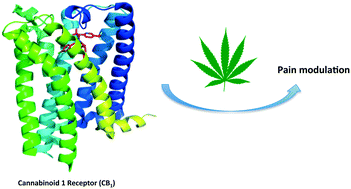
Evidences from clinical trials showed therapeutic benefits of cannabis, especially delta-9-tetrahydrocannabinol and cannabinoids reduced neuropathic pain intensity in various conditions. Also, there are reports on using combination cannabinoid therapies for chronic pain management.
The association of cannabis dependence and addiction has been discussed much and the reports mentioned that it can be comparatively lower than other substances such as nicotine and alcohol.
More countries have decided to legalise the medicinal use of cannabis and marijuana.
Healthcare professionals should keep themselves updated with the changing state of medical cannabis and its applications.”
https://www.ncbi.nlm.nih.gov/pubmed/31535218
https://link.springer.com/article/10.1007%2Fs00540-019-02680-y


 “There is a growing surge of investigative research involving the beneficial use of cannabinoids as novel interventional alternatives for multiple sclerosis (MS) and associated neuropathic pain (NPP).
 “Increases in cancer diagnosis have tremendous negative impacts on patients and their families, and major societal and economic costs. The beneficial effect of chemotherapeutic agents on tumor suppression comes with major unwanted side effects such as weight and hair loss, nausea and vomiting, and neuropathic pain. Chemotherapy-induced peripheral neuropathy (CIPN), which can include both painful and non-painful symptoms, can persist 6 months or longer after the patient’s last chemotherapeutic treatment. These peripheral sensory and motor deficits are poorly treated by our current analgesics with limited effectiveness. Therefore, the development of novel treatment strategies is an important preclinical research focus and an urgent need for patients. Approaches to prevent CIPN have yielded disappointing results since these compounds may interfere with the anti-tumor properties of chemotherapeutic agents. Nevertheless, the first (serotonin noradrenaline reuptake inhibitors [SNRIs], anticonvulsants, tricyclic antidepressants) and second (5% lidocaine patches, 8% capsaicin patches and weak opioids such as tramadol) lines of treatment for CIPN have shown some efficacy. The clinical challenge of CIPN management in cancer patients and the need to target novel therapies with long-term efficacy in alleviating CIPN are an ongoing focus of research. The endogenous
 “Neuropathic pain can develop after nerve injury, leading to a chronic condition with spontaneous pain and hyperalgesia.