Muscle cannabinoid 1 receptor regulates Il-6 and myostatin expression, governing physical performance and whole-body metabolism.

“Sarcopenic obesity, the combination of skeletal muscle mass and function loss with an increase in body fat, is associated with physical limitations, cardiovascular diseases, metabolic stress, and increased risk of mortality. Cannabinoid receptor type 1 (CB1R) plays a critical role in the regulation of whole-body energy metabolism because of its involvement in controlling appetite, fuel distribution, and utilization. Inhibition of CB1R improves insulin secretion and insulin sensitivity in pancreatic β-cells and hepatocytes. We have now developed a skeletal muscle-specific CB1R-knockout (Skm-CB1R-/-) mouse to study the specific role of CB1R in muscle. Muscle-CB1R ablation prevented diet-induced and age-induced insulin resistance by increasing IR signaling. Moreover, muscle-CB1R ablation enhanced AKT signaling, reducing myostatin expression and increasing IL-6 secretion. Subsequently, muscle-CB1R ablation increased myogenesis through its action on MAPK-mediated myogenic gene expression. Consequently, Skm-CB1R-/- mice had increased muscle mass and whole-body lean/fat ratio in obesity and aging. Muscle-CB1R ablation improved mitochondrial performance, leading to increased whole-body muscle energy expenditure and improved physical endurance, with no change in body weight. These results collectively show that CB1R in muscle is sufficient to regulate whole-body metabolism and physical performance and is a novel target for the treatment of sarcopenic obesity.”


https://www.ncbi.nlm.nih.gov/pubmed/30726112

https://www.fasebj.org/doi/10.1096/fj.201801145R

Synthetic Cannabinoid Activity Against Colorectal Cancer Cells

View details for Cannabis and Cannabinoid Research cover image

“Colorectal cancer (CRC) is a leading cause of cancer-related deaths worldwide, and new therapeutic strategies are still required. Here we screened a synthetic cannabinoid library to identify compounds that uniformly reduce the viability of seven CRC cell lines.

We identified 10 compounds from the library that were able to reduce cell viability of CRC cell lines.

Conclusion: We identified three families of cannabinoid compounds that reduce CRC cell viability through a noncanonical receptor mechanism. Future modification of these compounds may lead to the development of novel therapies to treat this disease.”

https://www.liebertpub.com/doi/10.1089/can.2018.0065

“Cannabinoid compounds may inhibit growth of colon cancer cells”  https://news.psu.edu/story/557660/2019/02/06/research/cannabinoid-compounds-may-inhibit-growth-colon-cancer-cells

“CANNABIS COMPOUNDS SLOW COLON CANCER IN THE LAB”  https://www.futurity.org/cannabinoids-colon-cancer-1975272/

“Synthetic cannabis may stop colorectal cancer from growing, study suggests”  https://www.dailymail.co.uk/health/article-6674275/Synthetic-cannabis-stop-colorectal-cancer-growing-study-suggests.html

Medicinal Cannabis for Parkinson’s Disease: Practices, Beliefs, and Attitudes Among Providers at National Parkinson Foundation Centers of Excellence.

Movement Disorders Clinical Practice banner

“Legalization of the medical use of cannabis for Parkinson’s disease (PD) has bypassed the traditional drug-approval process, leaving physicians with little evidence with which to guide patients.

OBJECTIVE:

The goal of this study was to gather data on the cannabis-related prescribing practices and views regarding potential risks and benefits of cannabis among experts caring for patients with PD.

METHODS:

An anonymous, 73-item online survey was conducted through an online service (SurveyMonkey) and included neurologists at all National Parkinson Foundation Centers of Excellence.

RESULTS:

Fifty-six responders represented centers across 5 countries and 14 states. 23% reported some formal education on cannabis. Eighty percent of responders had patients with PD who used cannabis, and 95% were asked to prescribe it. Fifty-two percent took a neutral position on cannabis use with their patients, 9% discouraged use, and 39% encouraged it. Most believed that the literature supported use of cannabis for nausea (87%; n = 48), anxiety (60%; n = 33), and pain (86%; n = 47), but responses were divided with regard to motor symptoms. Most respondents expected that cannabis would worsen motivation (59%; n = 32), sleepiness (60%; n = 31), and hallucinations (69%; n = 37). In addition, most feared negative effects on short-term memory (75%; n = 42), long-term memory (55%; n = 31), executive functioning (79%; n = 44), and driving (96%; n = 54). Although many did not believe that cannabis should be recreational (50%; n = 28), most believed that it should be legalized for medicinal purposes (69.6%; n = 39).

CONCLUSIONS:

This study provides data on the cannabis-related practices, beliefs, and attitudes of expert PD physicians. There is a lack of consensus that likely reflects a general knowledge gap and paucity of data to guide clinical practice.”

https://www.ncbi.nlm.nih.gov/pubmed/30713951

https://onlinelibrary.wiley.com/doi/full/10.1002/mdc3.12359

Cannabinoids Reduce Inflammation but Inhibit Lymphocyte Recovery in Murine Models of Bone Marrow Transplantation.

ijms-logo

“Cannabinoids, the biologically active constituents of Cannabis, have potent neuronal and immunological effects. However, the basic and medical research dedicated to medical cannabis and cannabinoids is limited. The influence of these treatments on hematologic reconstitution and on the development of graft versus host disease (GVHD) after bone marrow transplantation (BMT) is largely unknown.

In this research, we compared the influence of D9 tetrahydrocannabinol (THC) and cannabidiol (CBD) on lymphocyte activation in vitro and in murine BMT models.

Our in vitro results demonstrate that these treatments decrease activated lymphocyte proliferation and affect cytokine secretion. We also discovered that CBD and THC utilize different receptors to mediate these effects. In vivo, in a syngeneic transplantation model, we demonstrate that all treatments inhibit lymphocyte reconstitution and show the inhibitory role of the cannabinoid receptor type 2 (CB2) on lymphocyte recovery.

Although pure cannabinoids exhibited a superior effect in vitro, in an allogeneic (C57BL/6 to BALB/c) BMT mouse model, THC-high and CBD-high cannabis extracts treatment reduced the severity of GVHD and improved survival significantly better than the pure cannabinoids.

Our results highlights the complexity of using cannabinoids-based treatments and the need for additional comparative scientific results.”

https://www.ncbi.nlm.nih.gov/pubmed/30720730

https://www.mdpi.com/1422-0067/20/3/668

An Update of Current Cannabis-Based Pharmaceuticals in Pain Medicine.


“Cannabis users have long reported therapeutic properties of the plant for a variety of conditions, some of which include nausea, emesis, seizures, cancer, neurogenic diseases and pain control. Research has elucidated many cannabinoid pharmacodynamic and pharmacokinetic properties, expanding the potential use of cannabinoids as a medical therapy.

Due to the inconsistent delivery and control of the active components involved with smoking, pharmaceutical companies are investigating and prioritizing routes other than smoke inhalation for therapeutic use of cannabinoids. In this relatively new field of pharmaceutical development, ongoing drug development promises great benefit from targeted endocannabinoid receptor agonism.

Available in Canada and Europe, nabiximols, a specific extract from the Cannabis plant, has demonstrated great benefit in the treatment of pain related to spasticity in multiple sclerosis, cancer and otherwise chronic pain conditions.

The cannabidiol oral solution Epidiolex®, which is available in the USA, is indicated for management of refractory epilepsy but may offer therapeutic relief to chronic pain conditions as well.

Current investigative drugs, such as those developed by Cara Therapeutics and Zynerba Pharmaceuticals, are synthetic cannabinoids which show promise to specifically target neuropsychiatric conditions and chronic pain symptoms such as neuropathy and allodynia.

The objective of this review is to provide clinicians with an update of currently available and promising developmental cannabis pharmaceutical derivatives which may stand to greatly benefit patients with otherwise difficult-to-treat chronic conditions.”

https://www.ncbi.nlm.nih.gov/pubmed/30721403

https://link.springer.com/article/10.1007%2Fs40122-019-0114-4

Cannabidiol Increases Proliferation, Migration, Tubulogenesis, and Integrity of Human Brain Endothelial Cells through TRPV2 Activation.

Molecular Pharmaceutics

“The effect of cannabidiol (CBD), a high-affinity agonist of the transient receptor potential vanilloid-2 (TRPV2) channel, has been poorly investigated in human brain microvessel endothelial cells (BMEC) forming the blood-brain barrier (BBB). TRPV2 expression and its role on Ca2+ cellular dynamics, trans-endothelial electrical resistance (TEER), cell viability and growth, migration, and tubulogenesis were evaluated in human primary cultures of BMEC (hPBMEC) or in the human cerebral microvessel endothelial hCMEC/D3 cell line. Abundant TRPV2 expression was measured in hCMEC/D3 and hPBMEC by qRT-PCR, Western blotting, nontargeted proteomics, and cellular immunofluorescence studies. Intracellular Ca2+ levels were increased by heat and CBD and blocked by the nonspecific TRP antagonist ruthenium red (RR) and the selective TRPV2 inhibitor tranilast (TNL) or by silencing cells with TRPV2 siRNA. CBD dose-dependently induced the hCMEC/D3 cell number (EC50 0.3 ± 0.1 μM), and this effect was fully abolished by TNL or TRPV2 siRNA. A wound healing assay showed that CBD induced cell migration, which was also inhibited by TNL or TRPV2 siRNA. Tubulogenesis of hCMEC/D3 cells in 3D matrigel cultures was significantly increased by 41 and 73% after a 7 or 24 h CBD treatment, respectively, and abolished by TNL. CBD also increased the TEER of hPBMEC monolayers cultured in transwell, and this was blocked by TNL. Our results show that CBD, at extracellular concentrations close to those observed in plasma of patients treated by CBD, induces proliferation, migration, tubulogenesis, and TEER increase in human brain endothelial cells, suggesting CBD might be a potent target for modulating the human BBB.”

https://www.ncbi.nlm.nih.gov/pubmed/30721081

https://pubs.acs.org/doi/10.1021/acs.molpharmaceut.8b01252

Abnormal cannabidiol modulates vitamin A metabolism by acting as a competitive inhibitor of CRBP1.

ACS Chemical Biology

“Cellular retinol-binding proteins (CRBPs) facilitate the uptake and intracellular transport of vitamin A. They integrate retinoid metabolism, playing an important role in regulating the synthesis of bioactive vitamin A metabolites. Thus, CRBPs constitute potential pharmacological targets to modulate cellular retinoid status that in turn may have applications in the treatment of certain immunological, metabolic, and ocular disorders.

Here we identify abnormal cannabidiol (abn-CBD) as a non-retinoid inhibitor of cellular retinol-binding protein 1 (CRBP1). X-ray crystal structures of CRBP1 in complex with abn-CBD and its derivatives revealed a distinctive mode of protein-ligand interaction and provided a molecular basis for the high affinity and selectivity of this compound. We demonstrated that abn-CBD modulates the flux of retinoids via the retinoid cycle in vivo. Furthermore, the biological activity of abn-CBD was evidenced by its ability to protect against light-induced retinal damage in Balb/cJ mice.

Altogether, our findings indicate that targeting selected CRBPs with a small-molecule inhibitor can potentially lead to the development of new therapeutic agents to counteract diseases with etiologies involving imbalance in retinoid metabolism or signaling.”

https://www.ncbi.nlm.nih.gov/pubmed/30721022

https://pubs.acs.org/doi/10.1021/acschembio.8b01070

Cannabinoids: the lows and the highs of chemotherapy-induced nausea and vomiting.

Future Medicine Logo

“Despite remaining one of the most widely abused drugs worldwide, Cannabis sativa exhibits remarkable medicinal properties. The phytocannabinoids, cannabidiol and Δ-9-tetrahydrocannabinol, reduce nausea and vomiting, particularly during chemotherapy. This is attributed to their ability to reduce the release of serotonin from enterochromaffin cells in the small intestine, which would otherwise orchestrate the vomiting reflex. Although there are many preclinical and clinical studies on the effects of Δ-9-tetrahydrocannabinol during nausea and vomiting, little is known about the role that cannabidiol plays in this scenario. Since cannabidiol does not induce psychotropic effects, in contrast to other cannabinoids, its use as an anti-emetic is of great interest. This review aims to summarize the available literature on cannabinoid use, with a specific focus on the nonpsychotropic drug cannabidiol, as well as the roles that cannabinoids play in preventing several other adverse side effects of chemotherapy including organ toxicity, pain and loss of appetite.”

https://www.ncbi.nlm.nih.gov/pubmed/30720344

https://www.futuremedicine.com/doi/10.2217/fon-2018-0530

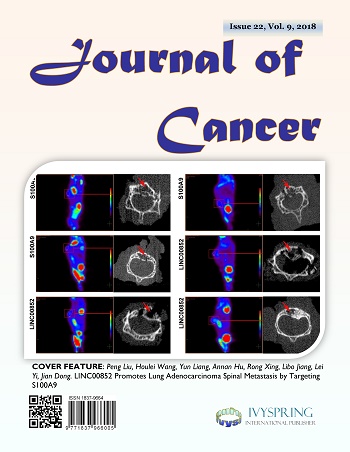
New Prospect for Cancer Cachexia: Medical Cannabinoid.

Image result for journal of cancer

“Cachexia is a common term for the wasting symptoms which may appear in almost every chronic illness, such as AIDS, tuberculosis, and cancer. Cancer cachexia (CCA) is a result of the interaction between the host and the tumor, mainly manifested in short-term wasting, malnutrition, and so on. Due to the chronic food shortages, absorption dysfunction and metabolic disorders, all of these eventually lead to hypoimmunity, organ failure, and higher susceptibility to pathogenic microorganisms. And then increased morbidity and mortality rates as well as reduced tolerance to anti-cancer treatments will be resulted in patients with CCA. Up to now, no standard guidelines have been established for cachexia treatment. Moreover, progestagens, the only drugs approved by FDA for cancer-related cachexia, can only increase adipose tissue and have not been confirmed to augment lean body mass. Cannabinoid, such as Δ-9-tetrahydrocannabinol (THC) and cannabidiol, is one of a class of diverse chemical compounds. Previous studies have showed that cannabinoid had considerable potential to improve the appetite, body weight, body fat level, caloric intake, mood, quality of life in kinds of diseases. This review will elaborate the anti-CCA role of cannabinoid and explore that whether cannabinoid is effective for CCA and provide a basis for guiding clinical drug use.”

https://www.ncbi.nlm.nih.gov/pubmed/30719170

http://www.jcancer.org/v10p0716.htm

Marijuana smoking and markers of testicular function among men from a fertility centre

Image result for oxford human reproduction

“Men who had ever smoked marijuana had significantly higher sperm concentration than men who had never smoked marijuana after adjusting for potential confounders.

These findings are not consistent with a deleterious effect of marijuana on testicular function.”

https://www.ncbi.nlm.nih.gov/pubmed/30726923

https://academic.oup.com/humrep/advance-article-abstract/doi/10.1093/humrep/dez002/5307080?redirectedFrom=fulltext

“SMOKING MARIJUANA APPEARS TO UP MEN’S SPERM COUNT—TO THE SURPRISE OF SCIENTISTS” https://www.newsweek.com/smoking-marijuana-appears-men-sperm-count-surprise-scientists-1318138

“Cannabis Smoking Associated With Higher Sperm Count, Study Finds”  https://www.bloomberg.com/news/articles/2019-02-06/cannabis-smoking-associated-with-higher-sperm-count-study-finds

“Smoking cannabis has unexpectedly been linked to greater fertility in men.” https://www.independent.ie/world-news/north-america/smoking-cannabis-can-make-men-more-fertile-say-scientists-37787137.html