Marijuana and its receptor protein in brain control epilepsy

“VCU study is first to test anticonvulsant potential of marijuana and brain recurrent seizures. 

Ingredients in marijuana and the cannabinoid receptor protein produced naturally in the body to regulate the central nervous system and other bodily functions play a critical role in controlling spontaneous seizures in epilepsy, according to a new study by researchers at Virginia Commonwealth University.

The study, the first to look at marijuana and the brain’s cannabinoid system in live animals with spontaneous, recurrent seizures, suggests new avenues that researchers can explore in their search for more-effective drugs to treat epileptic patients who don’t respond to today’s anticonvulsant medications or surgery.

The results appear in the Oct. 1 issue of the Journal of Pharmacology and Experimental Therapeutics.

“Although marijuana is illegal in the United States, individuals both here and abroad report that marijuana has been therapeutic for them in the treatment of a variety of ailments, including epilepsy,” says Dr. Robert J. DeLorenzo, professor of neurology in the VCU School of Medicine.

 “If we can understand how marijuana works to end seizures, we may be able to develop novel drugs that might do a better job of treating epileptic seizures.” 

Epilepsy is one of the most common neurological conditions, characterized by spontaneously recurrent seizures. Approximately 1 percent of Americans have epilepsy, and 30 percent of those patients are resistant to conventional anticonvulsant drug treatments.

Cannabinoids have been used as a natural remedy for seizures for thousands of years, and studies since at least 1974 have found that the primary psychoactive compound in marijuana displays anticonvulsant properties.” 

More:http://www.news.vcu.edu/news/Marijuana_and_its_receptor_protein_in_brain_control_epilepsy

Cannabis Treats Cancer and Epilepsy

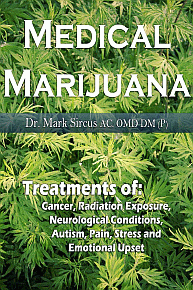
Description: Medical Marijuana

Dr. Mark Sircus, Ac., OMD, DM (P)

Director International Medical Veritas Association

Doctor of Oriental and Pastoral Medicine

Dr. Sean McAllister and Pierre Desprez claim they’ve successfully used cannabidiol to fight animal genes involved in the spread of cancer. “We found this one compound had a specific effect on metastatic cancer cells, very aggressive tumor cells,” McAllister says. Cannabidiol, the research appears to show, helps shut down receptors that inhibit cancerous cells from metastasizing.  “We find when you treat with cannabidiol, you down regulate the expression of this protein, and that inhibits the disease process.” Unlike THC, the ingredient in marijuana that makes you feel stoned, cannabidiol is a non-toxic compound of the plant that has no psychoactive qualities.

I already published that marijuana is the best medicine for 3-year-old Cash Hyde of Missoula, Montana. The boy’s parent’s defied doctor’s orders—and Montana law—to get their hands on the medicinal treatment their son needed after he was diagnosed with recurring brain tumors at 22 months old. “I’ve had law enforcement threatening to kick my door down, but I would have done anything to keep Cashy alive,” said Mike Hyde, who has long been a proponent of the drug, told ABCNews.com.

My book on Medical Marijuana goes into the research from around the globe, including from Harvard University that sustains the conclusions of doctors McAllister and Desprez.

Dixie Botanicals is shipping Cannabidiol from Denver Colorado to all fifty states though of course one can grow marijuana oneself and or use regular marijuana strains if one lives in one of the now fifteen states that has made medical marijuana legal.

I take great exception to the Obama administration that has continued to resist the legalization on a federal level of medical marijuana. They still insist that there is no medical use for marijuana when all the science proves the government to be dead wrong. They hunt the world for terrorists but some of the worst live and work right in Washington DC. Terrorists are people who hurt others and I do not see the difference between those who use guns and those who use drugs or deny the population the natural substances they need to be well.

Of course marijuana is extremely effective for other diseases. The most recent I have read about: Medical pot treats boy’s epilepsy, without getting him high. The little boy has been swallowing droppers full of a solution made mostly of cannabidiol, or CBD, the second most prominent of marijuana’s 100 or so cannabinoids. Unlike the dominant THC, cannabidiol is not psychoactive, so the sweet-tasting infusion Jayden takes four times a day doesn’t make him high.

Down from 22 prescription pills per day to four, he now eats solid food, responds to his father’s incessant requests for kisses and dances in his Modesto living room to the “Yo Gabba Gabba!” theme song. The frequency and intensity of his seizures have been greatly reduced.

CBD was virtually bred out of U.S. plants decades ago by growers whose customers preferred the mind-altering properties of high-THC varietals. Yet it is experiencing a resurgence, having shown promise as an anti-inflammatory, anticonvulsant, neuroprotectant and cancer-fighting agent.

Studies have shown THC is “overwhelmingly anticonvulsant” in animals, said Dr. Ben Whalley, a researcher at Britain’s University of Reading, but CBD and some other non-psychoactive cannabinoids have shown similar effects without the mind-altering downside.”

http://drsircus.com/medicine/cancer/cannabis-treats-cancer-and-epilepsy#utm_source=Dr+Sircus+Newsletter&utm_campaign=820775ef59-Article_045&utm_medium=email

Endocannabinoid system dysfunction in mood and related disorders.

“The endocannabinoid (EC) system is widely distributed throughout the brain and modulates many functions. It is involved in mood and related disorders, and its activity may be modified by exogenous cannabinoids. This article examines the therapeutic potential of cannabinoids in psychiatric disorders.

We propose (hypothesize) that the EC system, which is homoeostatic in cortical excitation and inhibition, is dysfunctional in mood and related disorders. Anandamide, tetrahydrocannabinol (THC) and cannabidiol (CBD) variously combine antidepressant, antipsychotic, anxiolytic, analgesic, anticonvulsant actions, suggesting a therapeutic potential in mood and related disorders. Currently, cannabinoids find a role in pain control. Post mortem and other studies report EC system abnormalities in depression, schizophrenia and suicide. Abnormalities in the cannabinoid-1 receptor (CNR1) gene that codes for cannabinoid-1 (CB1) receptors are reported in psychiatric disorders. However, efficacy trials of cannabinoids in psychiatric disorders are limited but offer some encouragement.

CONCLUSION:

Research is needed to elucidate the role of the EC system in psychiatric disorders and for clinical trials with THC, CBD and synthetic cannabinoids to assess their therapeutic potential.”

http://www.ncbi.nlm.nih.gov/pubmed/21916860

Would some cannabinoids ameliorate symptoms of autism?

“Cannabidiol (CBD) is a major nonpsychotropic constituent of cannabis sativa, which unlike the other major constituent delta9-tetrahydrocannabinol (delta9-THC), is virtually inactive at both of its central nervous system receptors. In one study, cell-based calcium mobilization and electrophysiological assays were used to identify and characterize several novel cannabinoid TRPV2 agonists in cultured rat dorsal root ganglion neurons. Among these, CBD was found to be the most robust and potent, followed by delta9-THC and cannabinol. Those cannabinoids may, accordingly, possess the ability, due to their action as TRPV2 agonists, to increase the release of both oxytocin and vasopressin enhancing the stimulation of oxytocin receptor and V1a receptors at the same time. CBD displays a plethora of other actions including anticonvulsive, sedative, hypnotic, antipsychotic, anti-inflammatory and neuroprotective properties. CBD and delta9-THC are components of drugs commercialized, in certain countries, as treatments for neuropathic pain, overactive bladder, and spasticity in patients suffering from multiple sclerosis. Thus, despite their action on oxytocin and vasopressin release, CBD and delta9-THC may help in improving symptoms of ASD by their sedative, antipsychotic, anticonvulsant and tranquilizing effects. In addition, the cannabinoid system has already been shown to be implicated in social behavior in rats.
 
The administration of cannabinoids for children and adolescents suffering from ASD is a controversial legal and ethical issue. Instead, those cannabinoids may be tested when administered to animals presenting autistic symptoms. Animal models of autistic symptoms exist especially in rodents that have their oxytocin and/or vasopressin function impaired such as mice or rats lacking the oxytocin or vasopressin gene or one of their receptors]. Whenever cannabinoids were found efficient in animal models of autism, the rationale supporting their efficacy may outweigh their legal and ethical adversities, when administered to children in the setting of randomized controlled studies.”
 

Seizure exacerbation in two patients with focal epilepsy following marijuana cessation.

Abstract

“While animal models of epilepsy suggest that exogenous cannabinoids may have anticonvulsant properties, scant evidence exists for these compounds’ efficacy in humans. Here, we report on two patients whose focal epilepsy was nearly controlled through regular outpatient marijuana use. Both stopped marijuana upon admission to our epilepsy monitoring unit (EMU) and developed a dramatic increase in seizure frequency documented by video-EEG telemetry. These seizures occurred in the absence of other provocative procedures, including changes to anticonvulsant medications. We review these cases and discuss mechanisms for the potentially anticonvulsant properties of cannabis, based on a review of the literature.”

http://www.ncbi.nlm.nih.gov/pubmed/23159379

Evaluation of oral cannabinoid-containing medications for the management of interferon and ribavirin-induced anorexia, nausea and weight loss in patients treated for chronic hepatitis C virus

  “The systemic and cognitive side effects of hepatitis C virus (HCV) therapy may be incapacitating, necessitating dose reductions or abandonment of therapy. Oral cannabinoid-containing medications (OCs) ameliorate chemotherapy-induced nausea and vomiting, as well as AIDS wasting syndrome. The efficacy of OCs in managing HCV treatment-related side effects is unknown.”


“Although formal studies are lacking, there is anecdotal evidence that cannabis may be beneficial by alleviating common side effects associated with interferon-ribavirin, including anorexia, nausea, weight loss and insomnia. Despite the potential benefits of cannabis, concerns related to the long-term medical complications of inhaled cannabis use and the inability to legally obtain this product limit the use of it as a therapeutic intervention.”

“Oral cannabinoid-containing medications (OCs) have multiple potential therapeutic uses due to their analgesic, antiemetic, anticonvulsant, bronchodilatory and anti-inflammatory effects. They have been shown in clinical trials to ameliorate chemotherapy-induced nausea, to benefit those with AIDS wasting syndrome and to reduce spasticity in multiple sclerosis patients.”

“CONCLUSIONS:

The present retrospective cohort analysis found that OC use is often effective in managing HCV treatment-related symptoms that contribute to weight loss, and may stabilize weight decline once initiated.”

http://www.ncbi.nlm.nih.gov/pmc/articles/PMC2662895/

Cannabis anti-convulsant shakes up epilepsy treatment

 by Douglas Heaven

“The versatile cannabis plant may have a new use: it could be used to control epileptic seizures with fewer side effects than currently prescribed anti-convulsants.

Ben Whalley at the University of Reading, UK, and colleagues worked with GW Pharmaceuticals in Wiltshire, UK, to investigate the anti-convulsant properties of cannabidivarin (CBDV), a little-studied chemical found in cannabis and some other plants.

There is “big, historical, anecdotal evidence” that cannabinoids can be used to control human seizures, says Whalley, but the “side-effect baggage” means there have been relatively few studies of its pharmaceutical effect on this condition.

The team investigated the effectiveness of CBDV – one of around 100 non-psychoactive cannabinoids found in cannabis – as an anti-convulsant. They induced seizures in live rats and mice that had been given the drug. These animals experienced less severe seizures and lower mortality compared with animals given a placebo. The drug also had fewer side effects and was better tolerated than three of the most widely prescribed anticonvulsants.

Epileptic seizures affect about one per cent of the population. Left uncontrolled, they can lead to depression, cognitive decline and death. If you control the seizures, says Whalley, “the chances of death drop away completely”. The decision about whether to test the drug in humans will be made next year.

“This is a very positive result,” says Ley Sander, an epilepsy specialist at University College London, UK, who was not involved in the study. “We need new drugs,” he says. “For 20-30 per cent of people with epilepsy, nothing seems to work.”

But he urges caution. “The animals in the study are made epileptic,” he says, which is not how epilepsy is acquired in humans. He adds that what you see in animal models doesn’t always translate directly into humans.

“Most compounds showing promise in preclinical studies never reach market,” warns Mark Richardson of the Epilepsy Research Group at King’s College London. “But I agree that these results justify progressing further down the drug development pipeline.””

http://www.newscientist.com/article/dn22263-cannabis-anticonvulsant-shakes-up-epilepsy-treatment.html

Effects of marihuana cannabinoids on seizure activity in cobalt-epileptic rats.

Abstract

“Rats rendered chronically epileptic by bilateral implantation of cobalt into frontal cortices were simultaneously prepared with permanent electrodes for longitudinal recording of the electroencephalogram (EEG) and electromyogram (EMG). Delta-8-tetrahydrocannabinol (delta-8-THC; 10 mg/kg), delta-9-tetrahydrocannabinol (delta-9-THC; 10 mg/kg), cannabidiol (CBD; 60 mg/kg), or polyvinylpyrrolidone (PVP) vehicle (2 ml/kg) was administered IP twice daily from day 7 through 10 after cobalt implantation, at which time generalized seizure activity in non-treated cobalt-epileptic rats was maximal. Relative to PVP-treated controls, CBD did not alter the frequency of appearance of seizures during the course of repeated administration. In contrast, both delta-8-THC and delta-9-THC markedly reduced the incidence of seizures on the first and second days of administration. Interictal spiking during this period, on the other hand, was actually enhanced. On the third and fourth days, tolerance to the effect on seizures was evident, with a return of seizure frequency of THC-treated rats to values not significantly different from those of controls. Unlike the effect on seizures, no tolerance developed to the marked suppression of rapid eye movement (REM) sleep induces by delta-8-THC and delta-9-THC. REM sleep remained reduced in the treated animals during the first 2 days after termination of THC administration. In contrast, REM sleep time was unaffected by repeated administration of CBD. These results suggest that delta-8-THC and delta-9-THC exert their initial anticonvulsant effect by limiting the spread of epileptogenic activity originating from the cobalt focus.”

http://www.ncbi.nlm.nih.gov/pubmed/6280204

The influence of cannabidiol and delta 9-tetrahydrocannabinol on cobalt epilepsy in rats.

Abstract

“The mechanisms of the anticonvulsant activity of cannabidiol (CBD) and the central excitation of delta 9-tetrahydrocannabinol (delta 9-THC) were investigated electrophysiologically with conscious, unrestrained cobalt epileptic rats. The well-known antiepileptics, trimethadione (TMO), ethosuximide (ESM), and phenytoin (PHT), were included as reference drugs. Direct measurements were made of spontaneously firing, epileptic potentials from a primary focus on the parietal cortex and convulsions were monitored visually. ESM and TMO decreased the frequency of focal potentials, but PHT and CBD exerted no such effect. Although CBD did not suppress the focal abnormality, it did abolish jaw and limb clonus; in contrast, delta 9-THC markedly increased the frequency of focal potentials, evoked generalized bursts of polyspikes, and produced frank convlusions. 11-OH-delta 9-THC, the major metabolite of delta 9-THC, displayed only one of the excitatory properties of the parent compound: production of bursts of polyspikes. In contrast to delta 9-THC and its 11-OH metabolite, CBD, even in very high doses, did not induce any excitatory effects or convulsions. The present study provides the first evidence that CBD exerts anticonvulsant activity against the motor manifestations of a focal epilepsy, and that the mechanism of the effect may involve a depression of seizure generation or spread in the CNS.”

http://www.ncbi.nlm.nih.gov/pubmed/113206