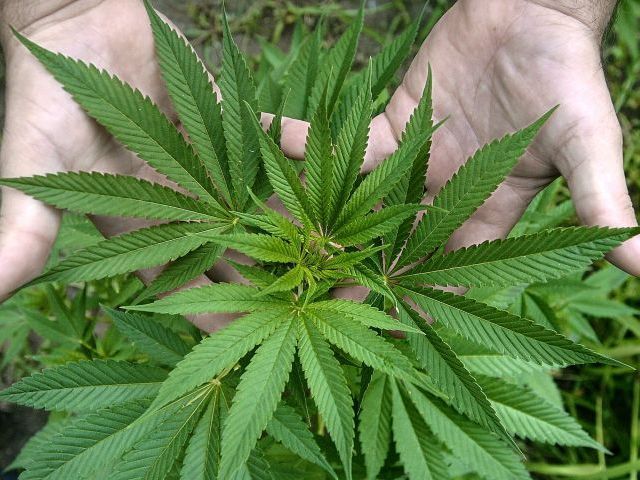
Cannabis and Δ9-tetrahydrocannabinol (THC) for weight loss?

“Obesity is one of the highest preventable causes of morbidity and mortality in the developed world. It has been well known for a long time that exposure to cannabis produces an increase of appetite (a phenomenon referred to as the ‘munchies’). This phenomenon led to an exploration of the role of the endocannabinoid system in the regulation of obesity and associated metabolic syndrome.

This effort subsequently led to the development of a successful therapeutic approach for obesity that consisted of blocking the cannabinoid CB1 receptors using ligands such as Rimonabant in order to produce weight loss and improve metabolic profile. Despite being efficacious, Rimonabant was associated with increased rates of depression and anxiety and therefore removed from the market.

We recently discovered that the prevalence of obesity is paradoxically much lower in cannabis users as compared to non-users and that this difference is not accounted for by tobacco smoking status and is still present after adjusting for variables such as sex and age.

Here, we propose that this effect is directly related to exposure to the Δ(9)-tetrahydrocannabinol (THC) present in cannabis smoke.

We therefore propose the seemingly paradoxical hypothesis that THC or a THC/cannabidiol combination drug may produce weight loss and may be a useful therapeutic for the treatment of obesity and its complications.”

http://www.ncbi.nlm.nih.gov/pubmed/23410498

Cannabidiol provides long-lasting protection against the deleterious effects of inflammation in a viral model of multiple sclerosis: A role for A2A receptors.

“Inflammation in the central nervous system (CNS) is a complex process that involves a multitude of molecules and effectors, and it requires the transmigration of blood leukocytes across the blood-brain barrier (BBB) and the activation of resident immune cells. Cannabidiol (CBD), a non-psychotropic cannabinoid constituent of Cannabis sativa, has potent anti-inflammatory and immunosuppressive properties.

 …Moreover, CBD administration at the time of viral infection exerts long-lasting effects, ameliorating motor deficits in the chronic phase of the disease in conjunction with reduced microglial activation and pro-inflammatory cytokine production. Adenosine A2A receptors participate in some of the anti-inflammatory effects of CBD…

Together, our findings highlight the anti-inflammatory effects of CBD in this viral model of MS, and demonstrate the significant therapeutic potential of this compound for the treatment of pathologies with an inflammatory component.”

http://www.ncbi.nlm.nih.gov/pubmed/23851307

Antibacterial cannabinoids from Cannabis sativa: a structure-activity study.

Journal of Natural Products

“Marijuana (Cannabis sativa) has long been known to contain antibacterial cannabinoids, whose potential to address antibiotic resistance has not yet been investigated. All five major cannabinoids (cannabidiol (1b), cannabichromene (2), cannabigerol (3b), Delta (9)-tetrahydrocannabinol (4b), and cannabinol (5)) showed potent activity against a variety of methicillin-resistant Staphylococcus aureus (MRSA) strains of current clinical relevance.

Activity was remarkably tolerant to the nature of the prenyl moiety, to its relative position compared to the n-pentyl moiety (abnormal cannabinoids), and to carboxylation of the resorcinyl moiety (pre-cannabinoids). Conversely, methylation and acetylation of the phenolic hydroxyls, esterification of the carboxylic group of pre-cannabinoids, and introduction of a second prenyl moiety were all detrimental for antibacterial activity.

Taken together, these observations suggest that the prenyl moiety of cannabinoids serves mainly as a modulator of lipid affinity for the olivetol core, a per se poorly active antibacterial pharmacophore, while their high potency definitely suggests a specific, but yet elusive, mechanism of activity.” http://www.ncbi.nlm.nih.gov/pubmed/18681481

“Antibacterial Cannabinoids from Cannabis sativa: A Structure−Activity Study”  http://pubs.acs.org/doi/abs/10.1021/np8002673

Antibacterial activity of delta9-tetrahydrocannabinol and cannabidiol.

Image result for Antonie Van Leeuwenhoek. journal

“The minimum inhibiting concentrations (MIC) of delta9-tetrahydrocannabinol (THC) and cannabidiol (CBD) for staphylococci and streptococci in broth are in the range of 1-5 mug/ml.

In the same range, both compounds are also bactericidal.

In media containing 4% serum or 5% blood the antibacterial activity is strongly reduced (MIC 50 mug/ml). Gram-negative bacteria are resistant to THC and CBD.”

http://www.ncbi.nlm.nih.gov/pubmed/1085130

Poly-ε-caprolactone microspheres as a drug delivery system for cannabinoid administration: development, characterization and in vitro evaluation of their antitumoral efficacy.

“Cannabinoids show promise for the treatment of various medical conditions such as emesis, anorexia, pain, cancer, multiple sclerosis, Parkinson’s disease and glaucoma.

The objective of the present work was to assess the feasibility of developing cannabinoid loaded poly-ε-caprolactone (PCL) microparticles prepared by the oil-in-water emulsion-solvent evaporation technique as a suitable dosage form for their administration.

In vitro cell viability studies demonstrated the antitumoral activity of CBD released from microparticles. After 4 and 7 days of incubation, CBD in microspheres significantly inhibited the growth of MDA-MB-231 cells by 60% as compared to the 50% attained with free drug.

The results suggest that PCL microparticles could be an alternative delivery system for long-term cannabinoid administration, showing potential therapeutic advantages over free drug.”

http://www.ncbi.nlm.nih.gov/pubmed/22580111

Psychoactive cannabinoids reduce gastrointestinal propulsion and motility in rodents.

“Marijuana has been reported to be an effective antinauseant and antiemetic in patients receiving cancer chemotherapy.

Whether this is due to psychological changes, central antiemetic properties and/or direct effects on gastrointestinal (GI) function is not known. The purpose of these investigations was to determine whether the major constituents of marijuana and the synthetic cannabinoid nabilone have any effects on GI function which can be detected in rodent models of GI transit and motility. Intravenous delta 9-tetrahydrocannabinol (delta 9-THC) slowed the rate of gastric emptying and small intestinal transit in mice and in rats. Delta 9,11-THC, cannabinol and nabilone given i.v. also inhibited small intestinal transit in mice, but were less effective in reducing gastric emptying. Cannabidiol given i.v. had no effect on gastric emptying or intestinal transit. Those cannabinoids which inhibited GI transit did so at doses equal to, or lower, than those reported to produce central nervous system activity. In rats, delta 9-THC produced greater inhibition of gastric emptying and small intestinal transit than large bowel transit, indicating a selectivity for the more proximal sections of the gut. In addition, i.v. delta 9-THC decreased the frequency of both gastric and intestinal contractions without altering intraluminal pressure. Such changes probably reflect a decrease in propulsive activity, without change in basal tone.

These data indicate that delta 9-THC, delta 9,11-THC, cannabinol and nabilone (but not cannabidiol) exert an inhibitory effect on GI transit and motility in rats.”

http://www.ncbi.nlm.nih.gov/pubmed/2542532

The cannabinoid Δ9-tetrahydrocannabivarin (THCV) ameliorates insulin sensitivity in two mouse models of obesity

“Δ9-Tetra-hydrocannabivarin (THCV) is a naturally occurring analogue of the psychoactive principle of cannabis, Δ9-tetra-hydrocannabinol (THC).

THCV is a new potential treatment against obesity-associated glucose intolerance with pharmacology different from that of CB1 inverse agonists/antagonists.

In conclusion, THCV produces therapeutic metabolic effects in two different mouse models of obesity. In particular, its strongest effects are exerted on plasma glucose and insulin levels, especially following an OGTT in DIO mice and on liver triglycerides in ob/obmice.

Based on these data, it can be suggested that THCV may be useful for the treatment of the metabolic syndrome and/or type 2 diabetes, either alone or in combination with existing treatments. Given the reported benefits of another non-THC cannabinoid, CBD in type 1 diabetes, a CBD/THCV combination may be beneficial for different types of diabetes mellitus.”

Full Text: http://www.ncbi.nlm.nih.gov/pmc/articles/PMC3671751/

Medical marijuana helps stem 6-year-old’s seizures – CNN

“Six-year-old Jayden David violently shakes on the ground, his blue eyes vacant and then filled with searing pain. The video shows an unvarnished look at a seizure, something Jayden once experienced routinely.

Not anymore, says his father, thanks to medical marijuana.

Before he started taking a liquid, nonpsychoactive form of marijuana, Jayden couldn’t walk, eat solid food or take a bath.

He has Dravet’s syndrome, a rare and catastrophic form of childhood epilepsy. It has triggered seizures so frequent that 44 times he has been rushed to the hospital in an ambulance, his distraught father by his side.

Jayden’s doctors prescribed 22 anti-seizure pills a day, which controlled the seizures but left him immobilized due to the side effects.

“He’s in pain and suffering and crying,” said Jayden’s father, Jason David. “You can’t help him no matter what. What are you supposed to do? You have to do whatever it takes to save their life.”

Last year, he had enough. Delirious with fatigue and emotional pain, Jason David called his mother to say he wanted to put a gun to his head, just to end the heartbreak of seeing his son suffer. His mother convinced him to not give up.

David turned to something he had seen on television: medical marijuana.

On June 4, 2011, David gave his son marijuana. For the first time since Jayden was 4 months old, the boy went through an entire day without a seizure.

“Instead of medical marijuana, this is miracle marijuana,” said David, holding up a jam jar full of liquefied and cooled cannabis.”

More: http://www.cnn.com/2012/12/10/health/medical-marijuana-child/

Father successfully treats son’s epilepsy with medical cannabis (marijuana)

Marijuana

 
“A California father’s desperate quest to find a viable solution to his young son’s rare form of epilepsy has led him to incredible success in medicinal marijuana. The Los Angeles Times (LAT) reports that Jason David’s son Jayden now functions normally, eats solid food, and takes only four prescription medications for his condition rather than the 22 he had been takingprior to starting the cannabis protocol.Young Jayden suffers from an extremely rare, and potentially fatal, epileptic condition known as Dravet syndrome that is categorized as a “catastrophic form of intractable epilepsy.” For Jayden, symptoms of the condition have included things like intense “grand mal” seizure fits, continuous muscle twitching, inability to respond to or interact with others, difficulty chewing, and frequent screaming episodes.

According to Jayden’s father Jason, Jayden had spent most of his life either sleeping or seizing, which put incredible strain on the family as it unsuccessfully tried using prescription drug after prescription drug to at least ease Jayden’s symptoms. But Jayden’s condition only got progressively worse in response to pharmaceuticals, which led Jason to actually consider committing suicide as he says he simply could no longer bear watching his son suffer in this horrific way.

After praying intensely about the situation and meeting with their local religious congregation for guidance; however, the Davids stumbled upon medical marijuana, and particularly cannabidiol (CBD), one of the many cannabinoid compounds naturally found in certain varieties of marijuana. Following a period of heavy research into the history and effectiveness of CBD, Jason decided it was worth giving the treatment a try with his son — and upon doing so, the Davids observed an almost immediate improvement in Jayden’s condition.” 


Cannabis by product helps reduce effects of Parkinson disease medication

“Researchers from Brazil’s prestigious University of Sao Paulo have discovered that marihuana contains substances which can help ease the collateral effects of medicines prescribed to patients suffering from Parkinson disease.”

Brazilian researchers have tested the positive effects of canabiodiol 

“Six patients with Parkinson were given during a whole month small doses of “canabiodiol” one of the 400 substances in marihuana, following which encouraging results were confirmed according to scientists from the Riberao Preto Medicine School from the SP University.

“Patients with Parkinson developed improvements in their sleeping alterations, in their psychotic symptoms and could even reduce their trembling” said psychiatrist Jose Alexander Crippa, Neuro-sciences Department professor.

The paper on the discovery was published last November and next year an additional paper with test results on the anxiolytic effects of “canabiodiol” in patients with obsession and compulsion disorders will be released.

A group of voluntary patients with obsessive and compulsive conducts were medicated with the substance 70 minutes before facing situations that forced them into anxiety fits, and “improvements were evident”.”

http://en.mercopress.com/2009/12/30/cannabis-by-product-helps-reduce-effects-of-parkinson-disease-medication