
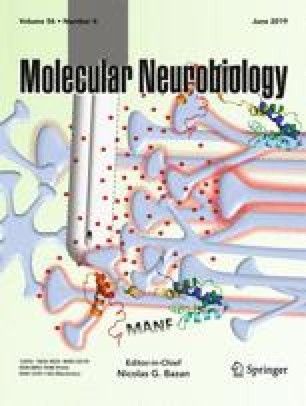
“Finding a therapy for Alzheimer’s disease (AD) is perhaps the greatest challenge for modern medicine. The chemical scaffolds of many drugs in the clinic today are based upon natural products from plants, yet Cannabis has not been extensively examined as a source of potential AD drug candidates.
Here, we determine if a number of non-psychoactive cannabinoids are neuroprotective in a novel pre-clinical AD and neurodegeneration drug-screening platform that is based upon toxicities associated with the aging brain.
This drug discovery paradigm has yielded several compounds in or approaching clinical trials for AD. Eleven cannabinoids were assayed for neuroprotection in assays that recapitulate proteotoxicity, loss of trophic support, oxidative stress, energy loss, and inflammation. These compounds were also assayed for their ability to remove intraneuronal amyloid and subjected to a structure-activity relationship analysis. Pairwise combinations were assayed for their ability to synergize to produce neuroprotective effects that were greater than additive.
Nine of the 11 cannabinoids have the ability to protect cells in four distinct phenotypic neurodegeneration screening assays, including those using neurons that lack CB1 and CB2 receptors. They are able to remove intraneuronal Aβ, reduce oxidative damage, and protect from the loss of energy or trophic support. Structure-activity relationship (SAR) data show that functional antioxidant groups such as aromatic hydroxyls are necessary but not sufficient for neuroprotection. Therefore, there is a need to focus upon CB1 agonists that have these functionalities if neuroprotection is the goal.
Pairwise combinations of THC and CBN lead to a synergistic neuroprotective interaction.
Together, these results significantly extend the published data by showing that non-psychoactive cannabinoids are potential lead drug candidates for AD and other neurodegenerative diseases.”
https://www.ncbi.nlm.nih.gov/pubmed/31104297
https://link.springer.com/article/10.1007%2Fs12035-019-1637-8
 “Hemp seed oil from Cannabis sativa L. is a very rich natural source of important nutrients, not only polyunsaturated fatty acids and proteins, but also terpenes and cannabinoids, which contribute to the overall beneficial effects of the oil.
Hence, it is important to have an analytical method for the determination of these components in commercial samples. At the same time, it is also important to assess the safety of the product in terms of amount of any psychoactive cannabinoid present therein.
This work presents the development and validation of a highly sensitive, selective and rapid HPLC-UV method for the qualitative and quantitative determination of the main cannabinoids, namely cannabidiolic acid (CBDA), tetrahydrocannabinolic acid (THCA),
“Hemp seed oil from Cannabis sativa L. is a very rich natural source of important nutrients, not only polyunsaturated fatty acids and proteins, but also terpenes and cannabinoids, which contribute to the overall beneficial effects of the oil.
Hence, it is important to have an analytical method for the determination of these components in commercial samples. At the same time, it is also important to assess the safety of the product in terms of amount of any psychoactive cannabinoid present therein.
This work presents the development and validation of a highly sensitive, selective and rapid HPLC-UV method for the qualitative and quantitative determination of the main cannabinoids, namely cannabidiolic acid (CBDA), tetrahydrocannabinolic acid (THCA), 

