
“Post-traumatic stress disorder (PTSD) is a psychiatric condition characterized by drastic alterations in mood, emotions, social abilities and cognition. Notably, one aspect of PTSD, particularly in veterans, is its comorbidity with suicide. Elevated aggressiveness predicts high-risk to suicide in humans and despite the difficulty in reproducing a complex human suicidal behavior in rodents, aggressive behavior is a well reproducible behavioral trait of suicide. PTSD animal models are based on a peculiar phenotype, including exaggerated fear memory, anxiety- and depressive-like behaviors associated with neurochemical dysregulations in emotional brain circuitry. The endocannabinoid and the neurosteroid systems regulate emotions and stress responses, and recent evidence shows these two systems are interrelated and critically compromised in neuropsychiatric disorders. For instance, levels of the neurosteroid, allopregnanolone, as well as those of the endocannabinoids, anandamide and its congener, palmitoylethanolamide are decreased in PTSD. Similarly, the endocannabinoid system and neurosteroid biosynthesis are altered in suicidal individuals. Selective serotonin reuptake inhibitors (SSRIs), the only FDA-approved treatments for PTSD and depression, fail to help half of the treatment-seeking patients. This highlights the need for developing biomarker-based efficient therapies. One promising hypothesis points to stimulation of allopregnanolone biosynthesis as a valid end-point to predict treatment response in PTSD patients. This review highlights running findings on the role of the endocannabinoid and neurosteroid systems in PTSD and suicidal behavior both in a preclinical and clinical perspective. A specific focus is given to predictive PTSD/suicide animal models. Ultimately, we discuss the idea that disruption of neurosteroid and endocannabinoid biosynthesis may offer novel promising biomarker candidates to develop new treatments for PTSD and, perhaps, suicidal behavior.” https://www.ncbi.nlm.nih.gov/pubmed/30586627 https://www.sciencedirect.com/science/article/pii/S0278584618305839?via%3Dihub]]>
Tag Archives: endocannabinoid system
Antimicrobial potential of endocannabinoid and endocannabinoid-like compounds against methicillin-resistant Staphylococcus aureus.
 “Infections caused by antibiotic-resistant strains of Staphylococcus aureus have reached epidemic proportions globally. Staphylococcal biofilms are associated with increased antimicrobial resistance and are generally less affected by host immune factors. Therefore, there is an urgent need for novel agents that not only aim at multidrug-resistant pathogens, but also ones that will act as anti biofilms. In the present study, we investigated the antimicrobial activity of the endocannabinoid (EC) anandamide (AEA) and the endocannabinoid-like (EC-like), arachidonoyl serine (AraS) against methicillin resistant S. aureus strains (MRSA). We observed a strong inhibition of biofilm formation of all tested MRSA strains as well as a notable reduction of metabolic activity of pre-formed MRSA biofilms by both agents. Moreover, staphylococcal biofilm-associated virulence determinants such as hydrophobicity, cell aggregation and spreading ability were altered by AEA and AraS. In addition, the agents were able to modify bacterial membrane potential. Importantly, both compounds prevent biofilm formation by altering the surface of the cell without killing the bacteria. Therefore, we propose that EC and EC-like compounds may act as a natural line of defence against MRSA or other antibiotic resistant bacteria. Due to their anti biofilm action these agents could also be a promising alternative to antibiotic therapeutics against biofilm-associated MRSA infections.”
https://www.ncbi.nlm.nih.gov/pubmed/30523307
https://www.nature.com/articles/s41598-018-35793-7
“Infections caused by antibiotic-resistant strains of Staphylococcus aureus have reached epidemic proportions globally. Staphylococcal biofilms are associated with increased antimicrobial resistance and are generally less affected by host immune factors. Therefore, there is an urgent need for novel agents that not only aim at multidrug-resistant pathogens, but also ones that will act as anti biofilms. In the present study, we investigated the antimicrobial activity of the endocannabinoid (EC) anandamide (AEA) and the endocannabinoid-like (EC-like), arachidonoyl serine (AraS) against methicillin resistant S. aureus strains (MRSA). We observed a strong inhibition of biofilm formation of all tested MRSA strains as well as a notable reduction of metabolic activity of pre-formed MRSA biofilms by both agents. Moreover, staphylococcal biofilm-associated virulence determinants such as hydrophobicity, cell aggregation and spreading ability were altered by AEA and AraS. In addition, the agents were able to modify bacterial membrane potential. Importantly, both compounds prevent biofilm formation by altering the surface of the cell without killing the bacteria. Therefore, we propose that EC and EC-like compounds may act as a natural line of defence against MRSA or other antibiotic resistant bacteria. Due to their anti biofilm action these agents could also be a promising alternative to antibiotic therapeutics against biofilm-associated MRSA infections.”
https://www.ncbi.nlm.nih.gov/pubmed/30523307
https://www.nature.com/articles/s41598-018-35793-7
“Antimicrobial activity of Cannabis sativa, Thuja orientalis and Psidium guajava leaf extracts against methicillin-resistant Staphylococcus aureus.” https://www.ncbi.nlm.nih.gov/pubmed/30120078
“Antimicrobial Activity of Cannabis sativa L.” https://www.scirp.org/journal/PaperInformation.aspx?PaperID=18123“Characterization and antimicrobial activity of essential oils of industrial hemp varieties (Cannabis sativa L.).” https://www.ncbi.nlm.nih.gov/pubmed/19969046
“Antimicrobial studies of the leaf of cannabis sativa L.” https://www.ncbi.nlm.nih.gov/pubmed/16414764
The endocannabinoid system: Overview of an emerging multi-faceted therapeutic target.
 “The endocannabinoids anandamide (AEA) and 2-arachidonoylglyerol (2-AG) are endogenous lipid mediators that exert protective roles in pathophysiological conditions, including cardiovascular diseases. In this brief review, we provide a conceptual framework linking endocannabinoid signaling to the control of the cellular and molecular hallmarks, and categorize the key components of endocannabinoid signaling that may serve as targets for novel therapeutics. The emerging picture not only reinforces endocannabinoids as potent regulators of cellular metabolism but also reveals that endocannabinoid signaling is mechanistically more complex and diverse than originally thought.”
https://www.ncbi.nlm.nih.gov/pubmed/30553404
https://www.plefa.com/article/S0952-3278(18)30176-5/fulltext
“The endocannabinoids anandamide (AEA) and 2-arachidonoylglyerol (2-AG) are endogenous lipid mediators that exert protective roles in pathophysiological conditions, including cardiovascular diseases. In this brief review, we provide a conceptual framework linking endocannabinoid signaling to the control of the cellular and molecular hallmarks, and categorize the key components of endocannabinoid signaling that may serve as targets for novel therapeutics. The emerging picture not only reinforces endocannabinoids as potent regulators of cellular metabolism but also reveals that endocannabinoid signaling is mechanistically more complex and diverse than originally thought.”
https://www.ncbi.nlm.nih.gov/pubmed/30553404
https://www.plefa.com/article/S0952-3278(18)30176-5/fulltext
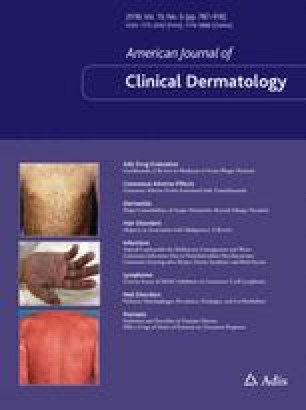 “The endocannabinoid system is a complex and nearly ubiquitous network of endogenous ligands, enzymes, and receptors that can also be stimulated by exogenous compounds such as those derived from the marijuana plant, Cannabis sativa.
Recent data have shown that the endocannabinoid system is fully functional in the skin and is responsible for maintaining many aspects of skin homeostasis, such as proliferation, differentiation, and release of inflammatory mediators. Because of its role in regulating these key processes, the endocannabinoid system has been studied for its modulating effects on both inflammatory disorders of the skin and skin cancer.
Although legal restrictions on marijuana as a Schedule I drug in the USA have made studying
“The endocannabinoid system is a complex and nearly ubiquitous network of endogenous ligands, enzymes, and receptors that can also be stimulated by exogenous compounds such as those derived from the marijuana plant, Cannabis sativa.
Recent data have shown that the endocannabinoid system is fully functional in the skin and is responsible for maintaining many aspects of skin homeostasis, such as proliferation, differentiation, and release of inflammatory mediators. Because of its role in regulating these key processes, the endocannabinoid system has been studied for its modulating effects on both inflammatory disorders of the skin and skin cancer.
Although legal restrictions on marijuana as a Schedule I drug in the USA have made studying  “The euphoric feeling described after running is, at least in part, due to increased circulating endocannabinoids (eCBs). eCBs are lipid signaling molecules involved in reward, appetite, mood, memory and neuroprotection.
The aim of this study was to investigate whether activities other than running can increase circulating eCBs.
Nine healthy female volunteers (mean 61 years) were recruited from a local choir. Circulating eCBs, haemodynamics, mood and hunger ratings were measured before and immediately after 30 min of dance, reading, singing or cycling in a fasted state.
Singing increased plasma levels of anandamide (AEA) by 42% (P < 0.05), palmitoylethanolamine (PEA) by 53% (P < 0.01) and oleoylethanolamine (OEA) by 34% (P < 0.05) and improved positive mood and emotions (P < 0.01), without affecting hunger scores.
Dancing did not affect eCB levels or hunger ratings, but decreased negative mood and emotions (P < 0.01).
Cycling increased OEA levels by 26% (P < 0.05) and tended to decrease how hungry volunteers felt, without affecting mood.
Reading increased OEA levels by 28% (P < 0.01) and increased the desire to eat.
Plasma AEA levels were positively correlated with how full participants felt (P < 0.05). Plasma OEA levels were positively correlated with positive mood and emotions (P < 0.01). All three ethanolamines were positively correlated with heart rate (HR; P < 0.0001).
These data suggest that activities other than running can increase plasma eCBs associated with changes in mood or appetite. Increases in eCBs may underlie the rewarding and pleasurable effects of singing and exercise and ultimately some of the long-term beneficial effects on mental health, cognition and memory.”
“The euphoric feeling described after running is, at least in part, due to increased circulating endocannabinoids (eCBs). eCBs are lipid signaling molecules involved in reward, appetite, mood, memory and neuroprotection.
The aim of this study was to investigate whether activities other than running can increase circulating eCBs.
Nine healthy female volunteers (mean 61 years) were recruited from a local choir. Circulating eCBs, haemodynamics, mood and hunger ratings were measured before and immediately after 30 min of dance, reading, singing or cycling in a fasted state.
Singing increased plasma levels of anandamide (AEA) by 42% (P < 0.05), palmitoylethanolamine (PEA) by 53% (P < 0.01) and oleoylethanolamine (OEA) by 34% (P < 0.05) and improved positive mood and emotions (P < 0.01), without affecting hunger scores.
Dancing did not affect eCB levels or hunger ratings, but decreased negative mood and emotions (P < 0.01).
Cycling increased OEA levels by 26% (P < 0.05) and tended to decrease how hungry volunteers felt, without affecting mood.
Reading increased OEA levels by 28% (P < 0.01) and increased the desire to eat.
Plasma AEA levels were positively correlated with how full participants felt (P < 0.05). Plasma OEA levels were positively correlated with positive mood and emotions (P < 0.01). All three ethanolamines were positively correlated with heart rate (HR; P < 0.0001).
These data suggest that activities other than running can increase plasma eCBs associated with changes in mood or appetite. Increases in eCBs may underlie the rewarding and pleasurable effects of singing and exercise and ultimately some of the long-term beneficial effects on mental health, cognition and memory.”