
 “Cannabis and cannabinoid-based extracts have long been utilized for their perceived therapeutic value, and support for the legalization of cannabis for medicinal purposes continues to increase worldwide.
Since the discovery of Δ9-tetrahydrocannabinol (THC) as the primary psychoactive component of cannabis over 50 years ago, substantial effort has been directed toward detection of endogenous mediators of cannabinoid activity. The discovery of anandamide and 2-arachidonoylglycerol as two endogenous lipid mediators of cannabinoid-like effects (endocannabinoids) has inspired exponential growth in our understanding of this essential pathway, as well as the pathological conditions that result from dysregulated endocannabinoid signaling.
This review examines current knowledge of the endocannabinoid system including metabolic enzymes involved in biosynthesis and degradation and their receptors, and evaluates potential druggable targets for therapeutic intervention.”
https://pubmed.ncbi.nlm.nih.gov/32894511/
https://link.springer.com/chapter/10.1007%2F978-3-030-50621-6_8
 “There is no argument with regard to the physical and psychological stress-related nature of neuropsychiatric disorders. Yet, the mechanisms that facilitate disease onset starting from molecular stress responses are elusive.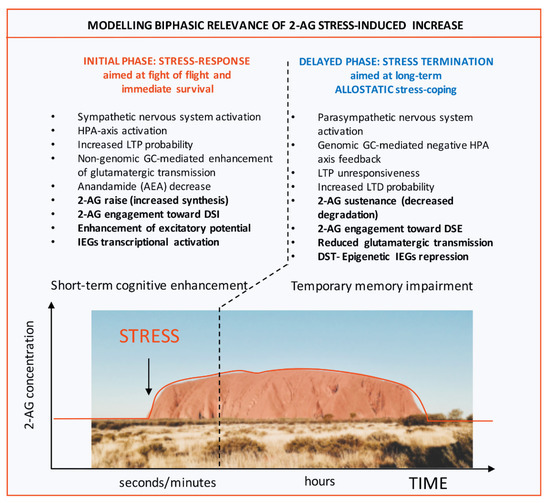
 “The endocannabinoid signaling system (ECSS) is altered by exposure to stress and mediates and modulates the effects of stress on the brain.
 “Inspired by the medicinal properties of the plant Cannabis sativa and its principal component (-)-trans-Δ9-tetrahydrocannabinol (THC), researchers have developed a variety of compounds to modulate the endocannabinoid system in the human brain.
 “In recent years, the role of the endocannabinoid system (ECS) in various cardiovascular conditions has been a subject of great interest. The ECS is composed of cannabinoid receptors, their endogenous ligands, also known as endocannabinoids, and enzymes responsible for the synthesis and degradation of endocannabinoids.
 “Thirty years ago, the discovery of a cannabinoid (CB) receptor that interacts with the psychoactive compound in Cannabis led to the identification of anandamide, an endogenous receptor ligand or endocannabinoid. Research on endocannabinoids has since exploded, and additional receptors along with their lipid mediators and signaling pathways continue to be revealed. Specifically, in humans, the release of endocannabinoids from membrane lipids occurs on demand and the signaling process is rapidly attenuated by the breakdown of the ligand suggesting a tight regulation of the endocannabinoid system (ECS). Additionally, the varying distribution of CB receptors between the central nervous system and other tissues allows for the ECS to participate in a wide range of cognitive and physiological processes. Select plant-derived ‘phyto’cannabinoids such as Δ-9-tetrahydrocannabinol (Δ9-THC) bind to the CB receptors and trigger the ECS, and in the case of Δ9-THC, while it has therapeutic value, can also produce detrimental effects. Current research is aimed at the identification of additional phytocannabinoids with minimal psychotropic effects with potential for therapeutic development. Although decades of research on the ECS and its components have expanded our understanding of the mechanisms and implications of endocannabinoid signaling in mammals, it continues to evolve. Here, we provide a brief overview of the ECS and its overlap with other related lipid-mediated signaling pathways.”
 “Attenuating emesis elicited by both disease and medical treatments of disease remains a critical
  “Non-steroidal anti-inflammatory drugs (NSAIDs) are known to produce antinociceptive effects mainly through peripheral
  “Cannabis-inspired medical products are garnering increasing attention from the scientific community, general