
 “To determine whether differences in disability status, spasticity severity, and spasticity duration at treatment start in patients with resistant multiple sclerosis (MS) spasticity might influence response to add-on tetrahydrocannabinol:cannabidiol (THC:CBD) oromucosal spray (nabiximols) versus further re-adjustment of optimized first-line antispasticity medication.
Methods: Using the database from the Sativex® as Add-on therapy Vs. further optimized first-line ANTispastics (SAVANT) study, this post hoc analysis evaluated spasticity severity (0-10 Numerical Rating Scale [NRS] scores) and pain severity (0-10 NRS scores) evolution from randomization (baseline) to week 12 (end of double-blind treatment) in defined subgroups: Expanded Disability Status Scale [EDSS] score subgroups (< 6 and ≥6); spasticity severity 0-10 NRS score subgroups (4 to ≤6 and >6), and spasticity duration subgroups (< 5 and ≥5 years).
Results: THC:CBD oromucosal spray (nabiximols) halved mean severity scores for spasticity and pain in all subgroups. Active treatment significantly improved mean spasticity severity scores versus placebo from week 4 onwards in both EDSS subgroups, in the severe spasticity subgroup, and in both spasticity duration subgroups. Active treatment significantly improved mean pain severity scores versus placebo in the ≥6 EDSS subgroup, in the severe spasticity subgroup and in both spasticity duration subgroups.
Conclusion: Add-on THC:CBD oromucosal spray (nabiximols) consistently relieves resistant spasticity across subgroups defined by baseline EDSS score, spasticity severity NRS score and spasticity duration. Patients with moderate resistant MS spasticity benefit numerically from treatment; patients with severe resistant spasticity achieve significant therapeutic gains. Spasticity-associated pain often improves similarly in the same subgroups.”
https://www.ncbi.nlm.nih.gov/pubmed/32065006
https://www.tandfonline.com/doi/abs/10.1080/00207454.2020.1730832?journalCode=ines20
 “Phytocannabinoids (and synthetic analogs thereof) are gaining significant attention as promising leads in modern medicine. Considering this, new directions for the design of phytocannabinoid-inspired molecules is of immediate interest. In this regard, we have hypothesized that axially-chiral-cannabinols (ax-CBNs), unnatural and unknown isomers of cannabinol (CBN) may be valuable scaffolds for
  “Radiotherapy combined with chemotherapy is the major treatment modality for human glioblastoma multiforme (GBM). GBMs eventually relapse after treatment and the average survival of GBM patients is less than two years.
 “Patients with non-small cell lung cancer (NSCLC) develop resistance to antitumor agents by mechanisms that involve the epithelial-to-mesenchymal transition (EMT). This necessitates the development of new complementary drugs, e.g.,
  “Critically ill patients with sepsis require a multidisciplinary approach, as this situation implies multiorgan distress, with most of the bodily biochemical and cellular systems being affected by the condition. Moreover, sepsis is characterized by a multitude of biochemical interactions and by dynamic changes of the immune system. At the moment, there is a gap in our understanding of the cellular, genetic, and molecular mechanisms involved in sepsis.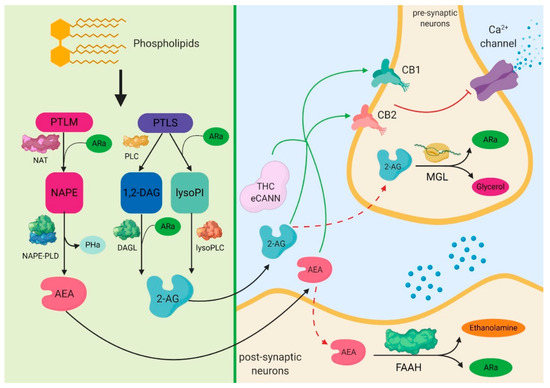
 “Palliative medicine physicians are challenged by lack of guidance regarding effectiveness and dosing of cannabis products in the setting of their emerging popularity.
 “Given the growing challenges in chronic pain management coupled with the ongoing consequences of the opioid epidemic, pain management practitioners are looking into more effective, innovative, and safer alternatives to treat pain.
 “γ-Aminobutyric acid type A receptors (GABAARs) are the main inhibitory mediators in the central nervous system (CNS). GABAARs are pentameric ligand gated ion channels, and the main subunit composition is usually 2α2βγ, with various isotypes assembled within a set of 19 different subunits. The inhibitory function is mediated by chloride ion movement across the GABAARs, activated by synaptic GABA release, reducing neuronal excitability in the adult CNS. Several studies highlighted the importance of GABA-mediated transmission during neuro-development, and its involvement in different neurological and neurodevelopmental diseases, from anxiety to epilepsy. However, while it is well known how different classes of drugs are able to modulate the GABAARs function (benzodiazepines, barbiturates, neurosteroids, alcohol), up to now little is known about GABAARs and cannabinoids interaction in the CNS. Endocannabinoids and phytocannabinoids are lately emerging as a new class of promising drugs for a wide range of neurological conditions, but their safety as medication, and their mechanisms of action are still to be fully elucidated. In this review, we will focus our attention on two of the most promising molecules (Δ9-tetrahydrocannabinol; Δ9-THC and
 “It has been hypothesized that besides its intraocular pressure (IOP) lowering potential, tetrahydrocannabinol (THC) may also improve ocular hemodynamics.