
 “The role of the endocannabinoid system in stress-related psychiatric symptoms has been investigated in many animal and human studies.
Although most of these studies consistently report long-lasting effects of prolonged stress and trauma on the endocannabinoid system, the nature and direction of these changes are controversial.
We reviewed the available preclinical and clinical studies investigating the endocannabinoid system alterations long after chronic stress and trauma.
We propose that the effects of prolonged stress or trauma on the endocannabinoid system are different based on the developmental age of subjects at the time of experiencing the trauma and its repetitiveness and accumulative effects.
The current literature consistently demonstrates decreased levels of endocannabinoid ligands and receptors if the trauma occurs in childhood, whereas decreased levels of endocannabinoid ligands and increased levels of cannabinoid receptors are reported when trauma has happened in adulthood.
It is important to note that these changes are region-specific in the brain and also there are important sex differences, which are beyond the scope of this review.”
https://www.ncbi.nlm.nih.gov/pubmed/31660473
“More studies are needed to compare the effects of childhood and adulthood trauma, with or without PTSD presentations, on the eCB system. These studies would have important clinical implications, not only for individuals with trauma and PTSD who commonly have comorbid recreational cannabis use, and medical marijuana users with PTSD being one of its main indicators but also for studies investigating the potential therapeutic use of cannabinoids and eCB enhancers in PTSD treatment.”
 “WIN55,212-2 (WIN) is a synthetic agonist of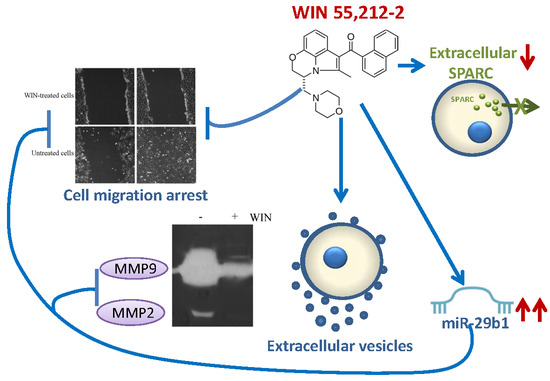
 “The symptomatic treatment of myotonia and myalgia in patients with dystrophic and non-dystrophic myotonias is often not satisfactory.
 “Medical
  “A cross-sectional multi-center study using an on-line survey addressing utilization, knowledge, and perceptions of medicinal
  “The high frequency and painful profile of inflammatory oral lesions and the lack of an effective drug protocol for their management stimulate the search for pharmacological alternatives for the treatment of these conditions.
  “The aim of this work was to enhance the acetylcholinesterase (AChE)-inhibitory activity of a pepsin-produced
  “T helper (Th)-17 mediate inflammation in both peripheral tissues and the central nervous system. Signal transducer and activator of transcription factor3 (STAT3) is required for Th-cell pathogenicity and its activation in the brain has been demonstrated during the acute phase of experimental autoimmune encephalomyelitis (EAE) through the mammalian target of rapamycin (mTOR) signaling. Rapamycin (RAPA), an inhibitor of mTOR, can drive Forkhead box P3 (FOXP3+) induction as a regulatory factor.
 “Treating Cancer-induced bone pain (CIBP) continues to be a major clinical challenge and underlying mechanisms of CIBP remain unclear.
 “Microglia are the resident, innate immune cells of the central nervous system (CNS) and are critical in managing CNS injuries and infections. Microglia also maintain CNS homeostasis by influencing neuronal development, viability, and function. However, aberrant microglial activity and phenotypes are associated with CNS pathology, including autism spectrum disorder (ASD). Thus, improving our knowledge of microglial regulation could provide insights into the maintenance of CNS homeostasis as well as the prevention and treatment of ASD.