
 “Cannabinoids, including delta-8- and delta-9-tetrahydrocannabinol (THC) have a palliative care impact and may therefore be beneficial against cancer.
The aim of this study was to investigate the effect of Δ9-THC and Δ8-THC on oral cancer cell behaviors.
Results: Both cannabinoids were found to decrease cell viability/proliferation by blocking the cell cycle progression from the S to the G2/M phase and enhancing their apoptosis and autophagy. Δ9-THC and Δ8-THC also suppressed the migration/invasion by inhibiting epithelial-mesenchymal transition markers, such as E-cadherin, in addition to decreasing reactive oxygen species (ROS) production and increasing glutathione (GSH) and the expression of mtMP. Δ9-THC and Δ8-THC also downregulated cyclin D1, p53, NOXA, PUMAα, and DRAM expressions but increased p21 and H2AX expression.
Conclusion: We demonstrated that cannabinoids (Δ9-THC and Δ8-THC) were able to decrease oral cancer cell growth through various mechanisms, including apoptosis, autophagy, and oxidative stress. These results suggest a potential use of these molecules as a therapy against oral cancer.”
https://pubmed.ncbi.nlm.nih.gov/34146926/
“Cannabinoids (Δ9-THC and Δ8-THC) decrease oral cancer cell viability/ proliferation.”
https://www.sciencedirect.com/science/article/abs/pii/S0003996921001631?via%3Dihub
 “Background:
  “Introduction:
 “Cannabinoids such as ▵-9-THC and CBD can downregulate the immune response by modulating the endocannabinoid system. This modulation is relevant for the treatment of prevalent autoimmune diseases (ADs), such as multiple sclerosis (MS), systemic lupus erythematosus (SLE), diabetes mellitus type 1 (DMT1), and rheumatoid arthritis (RA). These conditions require new therapeutic options with fewer side effects for the control of the autoimmune response. Objective: to conduct a literature review of preclinical scientific evidence that supports further clinical investigations for the use of cannabinoids (natural or synthetic) as potential immunomodulators of the immune response in ADs.
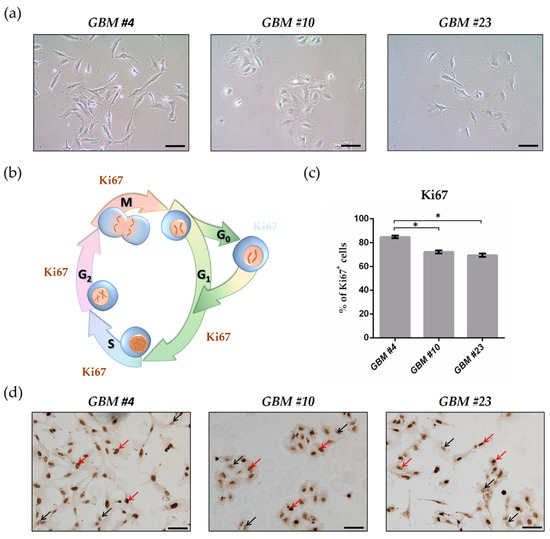
 “Preclinical data suggest some cannabinoids may exert antitumour effects against glioblastoma (GBM). Safety and preliminary efficacy of nabiximols oromucosal cannabinoid spray plus dose-intense temozolomide (DIT) was evaluated in patients with first recurrence of GBM.
 “Glioblastoma is the most aggressive cancer among primary brain tumours. As with other cancers, the incidence of glioblastoma is increasing; despite modern therapies, the overall mean survival of patients post-diagnosis averages around 16 months, a figure that has not changed in many years. Cannabigerol (CBG) has only recently been reported to prevent the progression of certain carcinomas and has not yet been studied in glioblastoma. Here, we have compared the cytotoxic, apoptotic, and anti-invasive effects of the purified natural cannabinoid CBG together with CBD and THC on established differentiated glioblastoma tumour cells and glioblastoma stem cells. CBG and THC reduced the viability of both types of cells to a similar extent, whereas combining CBD with CBG was more efficient than with THC. CBD and CBG, both alone and in combination, induced caspase-dependent cell apoptosis, and there was no additive THC effect. Of note, CBG inhibited glioblastoma invasion in a similar manner to CBD and the chemotherapeutic temozolomide. We have demonstrated that THC has little added value in combined-cannabinoid glioblastoma treatment, suggesting that this psychotropic cannabinoid should be replaced with CBG in future clinical studies of glioblastoma therapy.”
 “Cannabis sativa contains more than 500 constituents, yet the anticancer properties of the vast majority of cannabis compounds remains unknown. We aimed to identify cannabis compounds and their combinations presenting cytotoxicity against bladder urothelial carcinoma (UC), the most common urinary system cancer.
 “Cannabinoid receptor (CB) activation can attenuate inflammatory bowel disease (IBD) in experimental models and human cohorts. However, the role of the microbiome, metabolome, or the respective contributions of hematopoietic and non-hematopoietic cells in the anti-colitic effects of cannabinoids has yet to be determined.