Potential of cannabinoids as treatments for autism spectrum disorders

Journal of Psychiatric Research

“Current treatments for autism spectrum disorders (ASD) are limited in efficacy and are often associated with substantial side effects. These medications typically ameliorate problem behaviors associated with ASD, but do not target core symptom domains. As a result, there is a significant amount of research underway for development of novel experimental therapeutics.

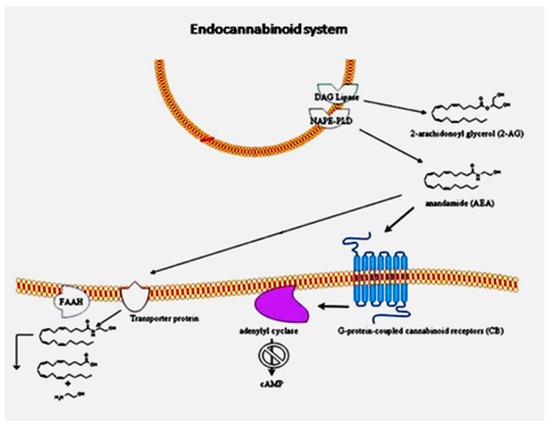
Endocannabinoids are arachidonic acid-derived lipid neuromodulators, which, in combination with their receptors and associated metabolic enzymes, constitute the endocannabinoid (EC) system. Cannabinoid signaling may be involved in the social impairment and repetitive behaviors observed in those with ASD. In this review, we discuss a possible role of the EC system in excitatory-inhibitory (E-I) imbalance and immune dysregulation in ASD.

Novel treatments for the core symptom domains of ASD are needed and phytocannabinoids could be useful experimental therapeutics for core symptoms and associated domains.”

https://pubmed.ncbi.nlm.nih.gov/33689997/

“Novel treatments for the core symptom domains of ASD are needed, and the endocannabinoid (EC) system could be a target for those therapies through the administration of exogenous cannabinoids.”

https://www.sciencedirect.com/science/article/abs/pii/S0022395621001266?via%3Dihub

“Healing autism spectrum disorder with cannabinoids: a neuroinflammatory story” https://pubmed.ncbi.nlm.nih.gov/33358985/

The role of the endocannabinoid system as a therapeutic target for autism spectrum disorder: Lessons from behavioral studies on mouse models

Neuroscience & Biobehavioral Reviews

“Recent years have seen an impressive amount of research devoted to understanding the etiopathology of Autism Spectrum Disorder (ASD) and developing therapies for this syndrome. Because of the lack of biomarkers of ASD, this work has been largely based on the behavioral characterization of rodent models, based on a multitude of genetic and environmental manipulations.

Here we highlight how the endocannabinoid system (ECS) has recently emerged within this context of mouse behavioral studies as an etiopathological factor in ASD and a valid potential therapeutic target.

We summarize the most recent results showing alterations of the ECS in rodent models of ASD, and demonstrating ASD-like behaviors in mice with altered ECS, induced either by genetic or pharmacological manipulations. We also give a critical overview of the most relevant advances in designing treatments and novel mouse models for ASD targeting the ECS, highlighting the relevance of thorough and innovative behavioral approaches to investigate the mechanisms acting underneath the complex features of ASD.”

https://pubmed.ncbi.nlm.nih.gov/34813825/

“Autism Spectrum Disorder (ASD) is a complex pathology with unknown aetiology and developing therapeutic approaches.•

Recent mouse behavioural studies have highlighted the role of the endocannabinoid system (ECS) in ASD.•

Novel pharmacological treatments and new genetic mouse models for ASD can be identified and designed by targeting the ECS.”

https://www.sciencedirect.com/science/article/abs/pii/S014976342100525X?via%3Dihub


Endocannabinoid System Dysregulation from Acetaminophen Use May Lead to Autism Spectrum Disorder: Could Cannabinoid Treatment Be Efficacious?

molecules-logo

“Persistent deficits in social communication and interaction, and restricted, repetitive patterns of behavior, interests or activities, are the core items characterizing autism spectrum disorder (ASD). Strong inflammation states have been reported to be associated with ASD.

The endocannabinoid system (ECS) may be involved in ASD pathophysiology. This complex network of lipid signaling pathways comprises arachidonic acid and 2-arachidonoyl glycerol-derived compounds, their G-protein-coupled receptors (cannabinoid receptors CB1 and CB2) and the associated enzymes. Alterations of the ECS have been reported in both the brain and the immune system of ASD subjects.

ASD children show low EC tone as indicated by low blood levels of endocannabinoids. Acetaminophen use has been reported to be associated with an increased risk of ASD. This drug can act through the ECS to produce analgesia. It may be that acetaminophen use in children increases the risk for ASD by interfering with the ECS.”

https://pubmed.ncbi.nlm.nih.gov/33805951/

https://www.mdpi.com/1420-3049/26/7/1845

“Can autism be triggered by acetaminophen activation of the endocannabinoid system? Acetaminophen use in children has been associated with increased autism risk. Recent evidence suggests that acetaminophen’s analgesic actions result from activation of the endocannabinoid system, and activation of this system can have neuromodulatory consequences during development. This investigation was performed to determine if there is evidence to support the hypothesis that acetaminophen use can trigger autism by activation of the endocannabinoid system.”

https://pubmed.ncbi.nlm.nih.gov/20628445/

“Paracetamol (N-acetyl-p-aminophenol (APAP), otherwise known as acetaminophen) is the active ingredient in more than 600 medications used to relieve mild to moderate pain and reduce fever. APAP is widely used by pregnant women as governmental agencies, including the FDA and EMA, have long considered APAP appropriate for use during pregnancy when used as directed. However, increasing experimental and epidemiological research suggests that prenatal exposure to APAP might alter fetal development, which could increase the risks of some neurodevelopmental, reproductive and urogenital disorders.”

https://pubmed.ncbi.nlm.nih.gov/34556849/

“Healing autism spectrum disorder with cannabinoids: a neuroinflammatory story” https://pubmed.ncbi.nlm.nih.gov/33358985/


Cannabidiol-Treated Ovariectomized Mice Show Improved Glucose, Energy, and Bone Metabolism With a Bloom in Lactobacillus

Frontiers - Crunchbase Company Profile & Funding

“Loss of ovarian 17β-estradiol (E2) in postmenopause is associated with gut dysbiosis, inflammation, and increased risk of cardiometabolic disease and osteoporosis. The risk-benefit profile of hormone replacement therapy is not favorable in postmenopausal women therefore better treatment options are needed.

Cannabidiol (CBD), a non-psychotropic phytocannabinoid extracted from hemp, has shown pharmacological activities suggesting it has therapeutic value for postmenopause, which can be modeled in ovariectomized (OVX) mice.

We evaluated the efficacy of cannabidiol (25 mg/kg) administered perorally to OVX and sham surgery mice for 18 weeks. Compared to VEH-treated OVX mice, CBD-treated OVX mice had improved oral glucose tolerance, increased energy expenditure, improved whole body areal bone mineral density (aBMD) and bone mineral content as well as increased femoral bone volume fraction, trabecular thickness, and volumetric bone mineral density. Compared to VEH-treated OVX mice, CBD-treated OVX mice had increased relative abundance of fecal Lactobacillus species and several gene expression changes in the intestine and femur consistent with reduced inflammation and less bone resorption.

These data provide preclinical evidence supporting further investigation of CBD as a therapeutic for postmenopause-related disorders.”

https://pubmed.ncbi.nlm.nih.gov/35800441/

“In conclusion, our results indicate that CBD treatment of OVX mice impacts the immune system and the gut microbiota to improve energy metabolism and bone homeostasis. These data indicate that CBD modulates a gut-bone axis to favorably alleviate several chronic disease symptoms of postmenopause.”

https://www.frontiersin.org/articles/10.3389/fphar.2022.900667/full

The Combination of Δ 9-Tetrahydrocannabinol and Cannabidiol Suppresses Mitochondrial Respiration of Human Glioblastoma Cells via Downregulation of Specific Respiratory Chain Proteins

cancers-logo

“Phytocannabinoids represent a promising approach in glioblastoma therapy.

Previous work has shown that a combined treatment of glioblastoma cells with submaximal effective concentrations of psychoactive Δ9-tetrahydrocannabinol (THC) and non-psychoactive cannabidiol (CBD) greatly increases cell death.

In the present work, the glioblastoma cell lines U251MG and U138MG were used to investigate whether the combination of THC and CBD in a 1:1 ratio is associated with a disruption of cellular energy metabolism, and whether this is caused by affecting mitochondrial respiration.

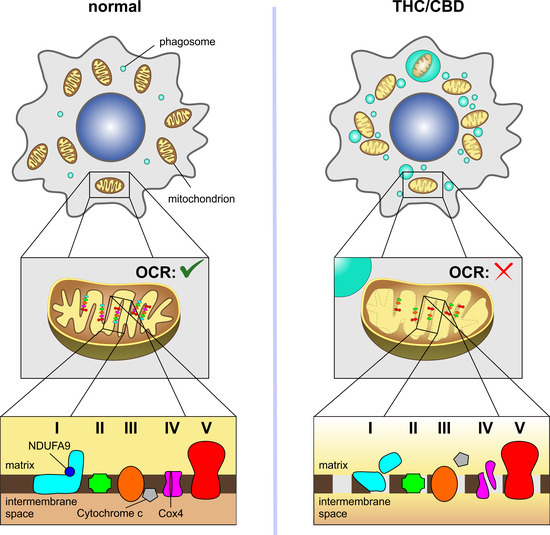
Here, the combined administration of THC and CBD (2.5 µM each) led to an inhibition of oxygen consumption rate and energy metabolism. These effects were accompanied by morphological changes to the mitochondria, a release of mitochondrial cytochrome c into the cytosol and a marked reduction in subunits of electron transport chain complexes I (NDUFA9, NDUFB8) and IV (COX2, COX4). Experiments with receptor antagonists and inhibitors showed that the degradation of NDUFA9 occurred independently of the activation of the cannabinoid receptors CB1, CB2 and TRPV1 and of usual degradation processes mediated via autophagy or the proteasomal system.

In summary, the results describe a previously unknown mitochondria-targeting mechanism behind the toxic effect of THC and CBD on glioblastoma cells that should be considered in future cancer therapy, especially in combination strategies with other chemotherapeutics.”

https://pubmed.ncbi.nlm.nih.gov/35804909/

“Cannabidiol (CBD) is a phytocannabinoid from Cannabis sativa L. that exhibits no psychoactivity and, like the psychoactive cannabinoid Δ9-tetrahydrocannabinol (THC), shows anticancer effects in preclinical cell and animal models. Previous studies have indicated a stronger cancer-targeting effect when THC and CBD are combined. Here, we investigated how the combination of THC and CBD in a 1:1 ratio affects glioblastoma cell survival. The compounds were found to synergistically enhance cell death, which was attributed to mitochondrial damage and disruption of energy metabolism. A detailed look at the mitochondrial electron transfer chain showed that THC/CBD selectively decreased certain subunits of complexes I and IV. These data highlight the fundamental changes in cellular energy metabolism when cancer cells are exposed to a mixture of cannabinoids and underscore the potential of combining cannabinoids in cancer treatment.”

https://www.mdpi.com/2072-6694/14/13/3129


Therapeutic Potential of Cannabinoids on Tumor Microenvironment: A Molecular Switch in Neoplasia Transformation

“The efficacy of chemotherapy depends on the tumor microenvironment. This microenvironment consists of a complex cellular network that can exert both stimulatory and inhibitory effects on tumor genesis.

Given the increasing interest in the effectiveness of cannabis, cannabinoids have gained much attention as a potential chemotherapy drug. Cannabinoids are a group of marker compounds found in Cannabis sativa L., more commonly known as marijuana, a psychoactive drug used since ancient times for pain management.

Although the anticancer potential of C. sativa, has been recognized previously, increased attention was generated after discovering the endocannabinoid system and the successful production of cannabinoid receptors.

In vitro and in vivo studies on various tumor models have shown therapeutic efficiency by modifying the tumor microenvironment.

This review summarizes the key literature surrounding the role of cannabinoids in the tumor microenvironment and their future promise in cancer treatment.”

https://pubmed.ncbi.nlm.nih.gov/35796303/

“Cannabis sativa L. is a natural source of valuable compounds that comprise cannabinoid agonists and antagonists, which have recently been scanned for future applications as anti-tumor drugs. Cannabinoids have mostly been used as a part of palliative care to alleviate pain, relieve nausea, and stimulate appetite in cancer patients. Although not yet approved for treating tumor progression, cannabinoid agonist/antagonists on the tumor microenvironment have been studied for the last 43 years. Research on cannabinoids and their potential therapeutic function has been ongoing since 1971. Numerous in vitro and in vivo studies have demonstrated the anti-cancer effects of cannabinoids in various cancer types.”

https://journals.sagepub.com/doi/10.1177/15347354221096766


Tetrahydrocannabinol and cannabidiol medicines for chronic pain and mental health conditions

SpringerLink

“Combination tetrahydrocannabinol (THC)/cannabidiol (CBD) medicines or CBD-only medicines are prospective treatments for chronic pain, stress, anxiety, depression, and insomnia. THC and CBD increase signaling from cannabinoid receptors, which reduces synaptic transmission in parts of the central and peripheral nervous systems and reduces the secretion of inflammatory factors from immune and glial cells.

The overall effect of adding CBD to THC medicines is to enhance the analgesic effect but counteract some of the adverse effects. There is substantial evidence for the effectiveness of THC/CBD combination medicines for chronic pain, especially neuropathic and nociplastic pain or pain with an inflammatory component. For CBD-only medication, there is substantial evidence for stress, moderate evidence for anxiety and insomnia, and minimal evidence for depression and pain.

THC/CBD combination medicines have a good tolerability and safety profile relative to opioid analgesics and have negligible dependence and abuse potential; however, should be avoided in patients predisposed to depression, psychosis and suicide as these conditions appear to be exacerbated. Non-serious adverse events are usually dose-proportional, subject to tachyphylaxis and are rarely dose limiting when patients are commenced on a low dose with gradual up-titration. THC and CBD inhibit several Phase I and II metabolism enzymes, which increases the exposure to a wide range of drugs and appropriate care needs to be taken. Low-dose CBD that appears effective for chronic pain and mental health has good tolerability and safety, with few adverse effects and is appropriate as an initial treatment.”

https://pubmed.ncbi.nlm.nih.gov/35796920/

“Tetrahydrocannabinol (THC) and cannabidiol (CBD) combination medicines and CBD-only medicines are prospective new treatments for chronic pain, stress, anxiety, depression, and insomnia, which are all medical conditions in need of better therapeutics. Both THC/CBD combination and CBD-only medicines could provide effective new treatment options for pain and mental health, respectively, and both have good safety and tolerability profiles relative to the current treatments.

THC and CBD combination medicines have a good safety and tolerability profile that is appropriate for opioid stage (stage 2–3) treatment of chronic pain. Low-dose CBD could be used as an initial treatment for chronic pain and for stress, anxiety, depression, and insomnia. High quality efficacy evidence is best for THC/CBD combination medicines for chronic pain and CBD-only medicines for stress and anxiety. “

https://link.springer.com/article/10.1007/s10787-022-01020-z

Patient Experience and Perspective on Medical Cannabis as an Alternative for Musculoskeletal Pain Management

JAAOS - Journal of the American Academy of Orthopaedic Surgeons

“Introduction: The current rate of opioid prescription is disquieting because of their high abuse potential, adverse effects, and thousands of overdose deaths. This situation imposes urgency in seeking alternatives for adequate pain management. From this perspective, this study aimed to evaluate the experience and the perceived analgesic efficacy of medical cannabis in managing the pain associated with musculoskeletal conditions.

Methods: A 28-question survey was distributed to patients at a major medical cannabis center in Puerto Rico for 2 months. Demographics, medical history, cannabis usage, cannabis use perspective, and analgesic efficacy were assessed in the questionnaire.

Results: One hundred eighty-four patients completed our survey. The majority (67%) were males, and the participants’ average age was 38 years. This study showed an average pain reduction score of 4.02 points on the Numeric Rating Scale among all the participants. Those with musculoskeletal conditions reported a notable average pain reduction score of 4.47 points. In addition, 89% of the participants considered medical cannabis to be more effective than narcotics for adequate pain management.

Conclusions: This study demonstrated that the use of medical cannabis among patients with musculoskeletal conditions effectively reduced pain levels based on their Numeric Rating Scale reported scores.”

https://pubmed.ncbi.nlm.nih.gov/35796526/

“This study showed that the use of medical cannabis among patients with musculoskeletal conditions effectively reduced pain levels based on their NRS reported scores. In addition, most patients using medical cannabis considered that this drug represents a better option than narcotics (ie, opioids) for adequate pain management.”

https://journals.lww.com/jaaosglobal/Fulltext/2022/07000/Patient_Experience_and_Perspective_on_Medical.6.aspx

Cannabis: Chemistry, extraction and therapeutic applications

Chemosphere

“Cannabis, a genus of perennial indigenous plants is well known for its recreational and medicinal activities. Cannabis and its derivatives have potential therapeutic activities to treat epilepsy, anxiety, depression, tumors, cancer, Alzheimer’s disease, Parkinson’s disease, to name a few.

This article reviews some recent literature on the bioactive constituents of Cannabis, commonly known as phytocannabinoids, their interactions with the different cannabinoids and non-cannabinoid receptors as well as the significances of these interactions in treating various diseases and syndromes.

The biochemistry of some notable cannabinoids such as tetrahydrocannabinol, cannabidiol, cannabinol, cannabigerol, cannabichromene and their carboxylic acid derivatives is explained in the context of therapeutic activities.

The medicinal features of Cannabis-derived terpenes are elucidated for treating several neuro and non-neuro disorders. Different extraction techniques to recover cannabinoids are systematically discussed. Besides the medicinal activities, the traditional and recreational utilities of Cannabis and its derivatives are presented. A brief note on the legalization of Cannabis-derived products is provided.

This review provides comprehensive knowledge about the medicinal properties, recreational usage, extraction techniques, legalization and some prospects of cannabinoids and terpenes extracted from Cannabis.”

https://pubmed.ncbi.nlm.nih.gov/34838836/

“Cannabinoids have therapeutic effects against various health disorders.•

Medicinal effects are due to the interactions of cannabinoids with bio-receptors.•

Cannabinoids can be extracted from Cannabis plant products by eco-friendly extraction methods.”

https://www.sciencedirect.com/science/article/abs/pii/S0045653521034846?via%3Dihub

Image 1


Cannabinoid 1 and mu-opioid receptor agonists synergistically inhibit abdominal pain and lack side effects in mice

Society for Neuroscience - Publications

“While effective in treating abdominal pain, opioids have significant side effects. Recent legalization of cannabis will likely promote use of cannabinoids as an adjunct or alternative to opioids, despite a lack of evidence.

We aimed to investigate if cannabinoids inhibit mouse colonic nociception, alone or in combination with opioids at low doses.

Experiments were performed on C57BL/6 male and female mice. Visceral nociception was evaluated by measuring visceromotor responses (VMR), afferent nerve mechanosensitivity in flat-sheet colon preparations, and excitability of isolated dorsal root ganglion (DRG) neurons. Blood oxygen saturation, locomotion and defecation were measured to evaluate side effects.

An agonist of cannabinoid 1 receptor (CB1R), arachidonyl-2′-chloroethylamide (ACEA), dose-dependently decreased VMR. ACEA and HU-210 (another CB1R agonist) also attenuated colonic afferent nerve mechanosensitivity. Additionally, HU-210 concentration-dependently decreased DRG neuron excitability, which was reversed by the CB1R antagonist AM-251. Conversely, cannabinoid 2 receptor (CB2R) agonists did not attenuate VMR, afferent nerve mechanosensitivity or DRG neuron excitability.

Combination of sub-analgesic doses of CB1R and µ-opioid receptor (MOR) agonists decreased VMR; importantly, this analgesic effect was preserved after 6 days of twice daily treatment. This combination also attenuated afferent nerve mechanosensitivity and DRG neuron excitability, which was inhibited by neuronal nitric oxide synthase (nNOS) and guanylate cyclase inhibitors. This combination avoided side effects (decreased oxygen saturation and colonic transit) caused by analgesic dose of morphine. Activation of CB1R, but not CB2R, decreased colonic nociception both alone and in synergy with MOR.

Thus, CB1R agonists may enable opioid dose reduction and avoid opioid-related side effects.

SIGNIFICANCE STATEMENTOne of the most cited needs for patients with abdominal pain are safe and effective treatment options. The effectiveness of opioids in the management of abdominal pain is undermined by severe adverse side effects. Therefore, strategies to replace opioids or reduce the doses of opioids to suppress abdominal pain is needed. This study in mice demonstrates that cannabinoid 1 receptor (CB1R) agonists inhibit visceral sensation. Furthermore, a combination of sub-analgesic doses of µ-opioid receptor agonist and CB1R agonist markedly reduce abdominal pain without causing the side effects of high dose opioids. Thus, CB1R agonists, alone or in combination with low-dose opioids, may be a novel and safe treatment strategy for abdominal pain.”

https://pubmed.ncbi.nlm.nih.gov/35790401/