Cutaneous Squamous Cell Carcinoma and Lichen Simplex Chronicus Successfully Treated with Topical Cannabinoid Oil: A Case Report and Summary of Cannabinoids in Dermatology

“Cannabidiol is a member of the cannabinoids, consisting of a diverse class of compounds derived from Cannabis sativa. There are three types of cannabinoids based on origin: endocannabinoids (endogenous), phytocannabinoids (plant-derived), and synthetic cannabinoids (synthesized). The endocannabinoid system plays a key role in skin homeostasis, such as proliferation, differentiation, and inflammatory signaling. A 64-year-old woman with a history of multiple squamous cell carcinomas who presented with skin lesions on her bilateral dorsal hands is reported. Her skin biopsies showed lichen simplex chronicus on her left hand and squamous cell carcinoma on her right hand; both lesions resolved with topical application of 20% cannabidiol. Cutaneous adverse events associated with cannabinoid use and potential therapeutic uses of cannabinoids in inflammatory skin diseases and skin cancer are also summarized.”

https://pubmed.ncbi.nlm.nih.gov/35530920/

“Cannabinoids are a class of drugs that are found in animals, humans, and plants; they are also synthesized. They are useful in the management of several systemic diseases. Indeed, cannabinoids have also been observed to be potentially effective in the treatment of cosmetic skin conditions and cutaneous diseases. In addition, they may be therapeutic in the management of not only non-melanoma skin cancer, such as squamous cell carcinoma, but also melanoma and Kaposi sarcoma. Our patient had successful treatment of a benign skin condition (lichen simplex chronicus); in addition, she had complete regression of several biopsy-confirmed squamous cell carcinomas. Therefore, the possibility of treating non-melanoma skin cancer, such as squamous cell carcinoma, with topical cannabinoids may warrant further investigation.”


https://www.cureus.com/articles/91630-cutaneous-squamous-cell-carcinoma-and-lichen-simplex-chronicus-successfully-treated-with-topical-cannabinoid-oil-a-case-report-and-summary-of-cannabinoids-in-dermatology


Patterns of Use and Self-reported Effectiveness of Cannabis for Hyperemesis Gravidarum


“Introduction There is limited research on effective treatment of Hyperemesis Gravidarum (HG), the most extreme version of nausea and vomiting during pregnancy (NVP). This paper examines current patterns of use and self-reported effectiveness of cannabis/cannabis-based products (CBP) to treat HG. Results Of the 550 survey respondents, 84% experienced weight loss during pregnancy; 96% reported using prescription antiemetics and 14% reported cannabis use for HG. Most respondents reported using cannabis/CBPs (71%) because their prescribed antiemetics were self-reported to be ineffective. More than half of cannabis/CBP users reported using products daily or multiple times per day (53%), primarily via smoke inhalation (59%), and mainly either delta-9-tetrahydrocannabinol (THC) only or THC dominant preparations (57%). Eighty-two percent of cannabis/CBP users reported symptom relief, compared to 60% of prescription antiemetic users. Among patients who reported weight loss during pregnancy, 56% of cannabis users reported gaining weight within two weeks of treatment, compared to 25% of prescription antiemetic users. Conclusions Respondents reported using cannabis primarily because prescribed medications were self-reported to be ineffective. Although the survey approach has inherent limitations so results should be interpreted with caution, in this sample, cannabis was self-reported to be more effective than prescription medications in alleviating HG symptoms and enabling pregnancy weight gain. Therefore, depending on the safety profiles, randomized, double-blinded, placebo-controlled trials of cannabis compared to other antiemetics are warranted to determine whether cannabinoids may provide an effective alternative treatment for HG.”

https://pubmed.ncbi.nlm.nih.gov/35528189/

https://www.thieme-connect.de/products/ejournals/abstract/10.1055/a-1749-5391

Medicinal Cannabis and Central Nervous System Disorders

Frontiers in Pharmacology welcomes new Field Chief Editor – Science &  research news | Frontiers

“Cannabinoids, including those found in cannabis, have shown promise as potential therapeutics for numerous health issues, including pathological pain and diseases that produce an impact on neurological processing and function. Thus, cannabis use for medicinal purposes has become accepted by a growing majority. However, clinical trials yielding satisfactory endpoints and unequivocal proof that medicinal cannabis should be considered a frontline therapeutic for most examined central nervous system indications remains largely elusive. Although cannabis contains over 100 + compounds, most preclinical and clinical research with well-controlled dosing and delivery methods utilize the various formulations of Δ9-tetrahydrocannabinol (THC) and cannabidiol (CBD), the two most abundant compounds in cannabis. These controlled dosing and delivery methods are in stark contrast to most clinical studies using whole plant cannabis products, as few clinical studies using whole plant cannabis profile the exact composition, including percentages of all compounds present within the studied product. This review will examine both preclinical and clinical evidence that supports or refutes the therapeutic utility of medicinal cannabis for the treatment of pathological pain, neurodegeneration, substance use disorders, as well as anxiety-related disorders. We will predominately focus on purified THC and CBD, as well as other compounds isolated from cannabis for the aforementioned reasons but will also include discussion over those studies where whole plant cannabis has been used. In this review we also consider the current challenges associated with the advancement of medicinal cannabis and its derived potential therapeutics into clinical applications.”

https://pubmed.ncbi.nlm.nih.gov/35529444/

“This review of current and past studies finds that preclinical research indicates therapeutic potential for cannabis, THC, and CBD mediated through either CB1R, CB2R, 5-HT1A, or a variable combination of these receptors. Clinical research utilizing cannabinoids within instances of neurodegenerative disease, pain, addiction, and anxiety suggest both tolerability and therapeutic potential either alone or in combination with current therapeutics.”

https://www.frontiersin.org/articles/10.3389/fphar.2022.881810/full

Cannabinoids as Emergent Therapy Against COVID-19

View details for Cannabis and Cannabinoid Research cover image

“The coronavirus disease 2019 (COVID-19), caused by the severe acute respiratory distress syndrome coronavirus 2 (SARS-Cov-2), was identified for the first time in late 2019 in China, resulting in a global pandemic of massive impact. Despite a fast development and implementation of vaccination strategies, and the scouting of several pharmacological treatments, alternative effective treatments are still needed. In this regard, cannabinoids represent a promising approach because they have been proven to exhibit several immunomodulatory, anti-inflammatory, and antiviral properties in COVID-19 disease models and related pathological conditions. This mini-review aims at providing a practical brief overview of the potential applications of cannabinoids so far identified for the treatment and prevention of COVID-19, finally considering key aspects related to their technological and clinical implementation.”

https://pubmed.ncbi.nlm.nih.gov/35512732/

“Overall, cannabinoids offer a great pharmacological potential in the management of COVID-19. It is to be hoped that the scientific evidence so far reported on cannabinoids effects along with the possibilities offered by drug delivery systems will entice the development of valuable therapies in this area.”

https://www.liebertpub.com/doi/10.1089/can.2022.0018

Activation of cannabinoid receptors in breast cancer cells improves osteoblast viability in cancer-bone interaction model while reducing breast cancer cell survival and migration

Scientific Reports

“The endocannabinoid system has been postulated to help restrict cancer progression and maintain osteoblastic function during bone metastasis. Herein, the effects of cannabinoid receptor (CB) type 1 and 2 activation on breast cancer cell and osteoblast interaction were investigated by using ACEA and GW405833 as CB1 and CB2 agonists, respectively. Our results showed that breast cancer cell (MDA-MB-231)-derived conditioned media markedly decreased osteoblast-like UMR-106 cell viability. In contrast, media from MDA-MB-231 cells pre-treated with GW405833 improved UMR-106 cell viability. MDA-MB-231 cells were apparently more susceptible to both CB agonists than UMR-106 cells. Thereafter, we sought to answer the question as to how CB agonists reduced MDA-MB-231 cell virulence. Present data showed that co-activation of CB1 and CB2 exerted cytotoxic effects on MDA-MB-231 cells by increasing apoptotic cell death through suppression of the NF-κB signaling pathway in an ROS-independent mechanism. ACEA or GW405833 alone or in combination also inhibited MDA-MB-231 cell migration. Thus, it can be concluded that the endocannabinoid system is able to provide protection during breast cancer bone metastasis by interfering cancer and bone cell interaction as well as by the direct suppression of cancer cell growth and migration.”

https://pubmed.ncbi.nlm.nih.gov/35513484/

“In conclusions, we have demonstrated that the ECS—which was present in bone microenvironment—provided a protection against breast cancer bone metastasis and its negative consequence on bone cell survival. Specifically, CB agonists, especially CB2 agonist, was able to prevent breast cancer-induced osteoblast suppression. Each of the two CB agonists or a combination of both could reduce breast cancer cell survival and migration through the NF-κB-dependent pathway. “

https://www.nature.com/articles/s41598-022-11116-9


Safety and Efficacy of the Therapeutic Use of Cannabis-Based Products in the Treatment of Dogs: An Integrative Review

View details for Cannabis and Cannabinoid Research cover image

“The use of cannabis-based products for therapeutic purposes is a reality in the field of animal health. However, although cannabis is considered safe when appropriately used by human patients, cannabis-based products can pose a risk to companion animals such as dogs, depending on their composition or route of administration. Thus, this article discusses aspects of the safety and efficacy of different cannabis-based products in dogs’ treatment through an integrative review. The review was systematically performed in Medline (via Pubmed®) and Latin American and Caribbean Health Sciences Literature (LILACS) databases, with period restriction (between 1990 and 2021). The qualified articles (n=19), which met the previously established inclusion criteria, were critically evaluated. Based on the literature review, it is possible to infer safety in the administration of cannabis-based products for the treatment of dogs, especially products rich in cannabidiol (CBD), free or with low concentrations of tetrahydrocannabinol, under the conditions evaluated. In addition, CBD products potentially promote improved quality of life and reduce pain perception in animals affected by canine osteoarthritis. Finally, owing to the lack of large-scale and robust clinical research studies, the performance of clinical trials, considering the individual characteristics of each cannabis-based product (composition, concentration, nature of adjuvants, dosage form, route of administration), is strongly encouraged.”

https://pubmed.ncbi.nlm.nih.gov/35512739/

https://www.liebertpub.com/doi/10.1089/can.2021.0172

Nanoencapsulation of essential oils from industrial hemp (Cannabis sativa L.) by-products into alfalfa protein nanoparticles

Food Chemistry

“Essential oils of industrial hemp (Cannabis sativa L.) by-products (HBEO) were characterized by gas chromatography-mass spectrometry (GC-MS); then, encapsulated in alfalfa protein isolate nanoparticles (API-NPs) as a novel nanocarrier. A desirable retention (45.5-63.4%) of HBEO within API-NPs was confirmed. These nanoparticles exhibited a shrunk and globular shape with a size range of 156.9-325.9 nm as indicated by dynamic light scattering (DLS), transmission electron microscopy (TEM) and scanning electron microscopy (SEM). Furthermore, Fourier transform infrared (FTIR) spectroscopy, X-ray diffraction (XRD), and thermal analyses corroborated that HBEO was successfully encapsulated within API NPs in an amorphous form without specific chemical interaction with the carrier matrix. The antioxidant activity of loaded HBEO into API-NPs was higher than free HBEO implying that encapsulation of HBEO in API-NPs was an efficient strategy for improving its stability and functionality. HBEO-loaded API-NPs is a promising candidate to be used in future foods and supplements for novel applications.”

https://pubmed.ncbi.nlm.nih.gov/35509161/

https://www.sciencedirect.com/science/article/abs/pii/S0308814622007270?via%3Dihub


A cannabidiol-containing alginate based hydrogel as novel multifunctional wound dressing for promoting wound healing

Materials Science and Engineering: C

“In addition to preventing infection and promoting angiogenesis, novel hydrogel dressings are highly expected to possess the potential to scavenge reactive oxygen species (ROS) and reduce inflammatory responses during the wound healing process. In this study, we designed and fabricated a hydrogel dressing (CBD/Alg@Zn) containing cannabidiol (CBD) based on the ion crosslinked interaction between Zn2+ ions and the alginate polymer (Alg). The as-fabricated hydrogel exhibited a suitable swelling ratio, sufficient thermal stability, and stable rheological property. In vitro biological activity experiments indicated that the hydrogel has good biocompatibility, antibacterial activity, and angiogenesis properties. Moreover, it could significantly scavenge DPPH (2,2-diphenyl-1-picrylhydrazyl) free radicals and reduce the inflammatory response. In vivo studies revealed that the CBD/Alg@Zn hydrogel significantly facilitated the wound healing process by controlling the inflammatory infiltration, promoting collagen deposition and the granulation tissue, and benefiting the formation of blood vessels. We, therefore, suggested that CBD/Alg@Zn hydrogel should be a potential candidate material for wound dressing and skin tissue engineering.”

https://pubmed.ncbi.nlm.nih.gov/35523648/

“A cannabidiol-containing alginate based hydrogel (CBD/Alg@Zn) was developed as novel multifunctional wound dressing.•

The Alg@Zn hydrogel not only acts as a drug carrier but also shows significantly anti-bacterial and angiogenic activities.•

The introduction of cannabidiol (CBD) endowed the hydrogels with antioxidant and anti-inflammatory effects.•

The CBD/Alg@Zn hydrogel showed accelerated wound healing effect in vivo.”

https://www.sciencedirect.com/science/article/abs/pii/S0928493121007001?via%3Dihub


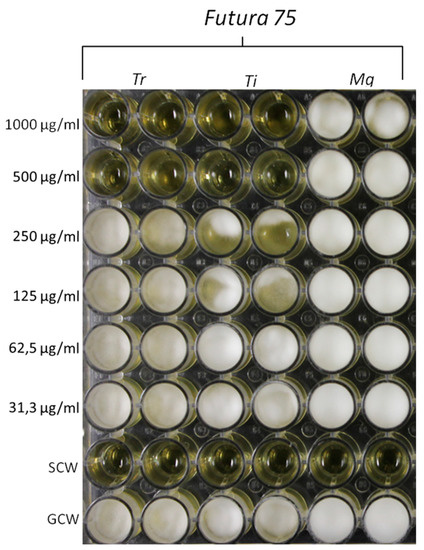
Water Extract from Inflorescences of Industrial Hemp Futura 75 Variety as a Source of Anti-Inflammatory, Anti-Proliferative and Antimycotic Agents: Results from In Silico, In Vitro and Ex Vivo Studies

Antioxidants 09 00437 g011 550

“Industrial hemp (Cannabis sativa) is traditionally cultivated as a valuable source of fibers and nutrients. Multiple studies also demonstrated antimicrobial, anti-proliferative, phytotoxic and insecticide effects of the essential oil from hemp female inflorescences. On the other side, only a few studies explored the potential pharmacological application of polar extracts from inflorescences. In the present study, we investigated the water extract from inflorescences of industrial hemp Futura 75 variety, from phytochemical and pharmacological point of view. The water extract was assayed for phenolic compound content, radical scavenger/reducing, chelating and anti-tyrosinase effects. Through an ex vivo model of toxicity induced by lipopolysaccharide (LPS) on isolated rat colon and liver, we explored the extract effects on serotonin, dopamine and kynurenine pathways and the production of prostaglandin (PG)E2. Anti-proliferative effects were also evaluated against human colon cancer HCT116 cell line. Additionally, antimycotic effects were investigated against Trichophyton rubrum, Trichophyton interdigitale, Microsporum gypseum. Finally, in silico studies, including bioinformatics, network pharmacology and docking approaches were conducted in order to predict the putative targets underlying the observed pharmacological and microbiological effects. Futura 75 water extract was able to blunt LPS-induced reduction of serotonin and increase of dopamine and kynurenine turnover, in rat colon. Additionally, the reduction of PGE2 levels was observed in both colon and liver specimens, as well. The extract inhibited the HCT116 cell viability, the growth of T. rubrum and T. interdigitale and the activity of tyrosinase, in vitro, whereas in silico studies highlighting the inhibitions of cyclooxygenase-1 (induced by carvacrol), carbonic anhydrase IX (induced by chlorogenic acid and gallic acid) and lanosterol 14-α-demethylase (induced by rutin) further support the observed pharmacological and antimycotic effects. The present findings suggest female inflorescences from industrial hemp as high quality by-products, thus representing promising sources of nutraceuticals and cosmeceuticals against inflammatory and infectious diseases.”

https://pubmed.ncbi.nlm.nih.gov/32429587/

“Concluding, the present findings highlight the potential of water extracts from industrial hemp inflorescences as sources of natural compounds that, besides the intrinsic antiradical activity, possess discrete mechanisms related to anti-inflammatory, anti-proliferative and antimycotic effects. In this context, and also in view of a more sustainable circular economy, it is desirable an improvement of industrial hemp chain production, taking into consideration the female inflorescences as high quality by-products with putative nutraceutical and cosmeceutical applications.”

https://www.mdpi.com/2076-3921/9/5/437/htm

Anti-Inflammatory, Antioxidative, and Hepatoprotective Effects of Trans Δ9-Tetrahydrocannabinol/Sesame Oil on Adjuvant-Induced Arthritis in Rats

logo

“Rheumatoid arthritis (RA) is a painful chronic autoimmune disease affecting the joints. Its first-line therapy, Methotrexate (MTX), although effective in ameliorating the progress of the disease, induces hepatotoxicity over long-term usage. Thus, seeking natural compounds with fewer side effects could be an alternative therapeutic approach. This study aimed to investigate the anti-inflammatory, antiarthritic, and antioxidative effects of synthetic trans-Δ9-tetrahydrocannabinol (Δ9-THC) dissolved in sesame oil (Dronabinol) against MTX in adjuvant-induced arthritis (AIA) rat model. Daily oral administration of Δ9-THC/sesame oil, over a period of 21 days, was well tolerated in arthritic rats with no particular psychoactive side effects. It markedly attenuated the severity of clinical manifestations, recovered the histopathological changes in tibiotarsal joints, and repressed the splenomegaly in arthritic rats. Δ9-THC/sesame oil therapy showed similar effects to MTX in neutralizing the inflammatory process of AIA, through attenuating erythrocyte sedimentation rate (ESR) scores and proinflammatory cytokines, including tumor necrosis factor-alpha (TNF-α), interleukin 1-beta (IL-1β), and interleukin-6 (IL-6) levels, to normal values. As opposed to MTX, this natural combination markedly protected the liver of arthritic rats and downregulated the induced oxidative stress by increasing the antioxidant defense system such as activities of catalase and superoxide dismutase (SOD) and levels of glutathione (GSH). These results suggest promising effects for the clinical use of Δ9-THC/sesame oil therapy in alleviating arthritic clinical signs as well as arthritis-induced liver injury.”

https://pubmed.ncbi.nlm.nih.gov/30046349/

“Dronabinol (Δ9-THC in sesame oil) is usually used to treat nausea and vomiting caused by chemotherapy or weight loss and loss of appetite in AIDS patients, yet, to the best of our knowledge, this is the first study that proves the antiarthritic and antioxidative effects of this combination in an experimental model of RA with a hepatoprotective effect against arthritis-induced liver injury compared to commonly used antirheumatic drug (MTX).”

https://www.hindawi.com/journals/ecam/2018/9365464/