Impact of smoking cannabidiol (CBD)-rich marijuana on driving ability

Publication Cover

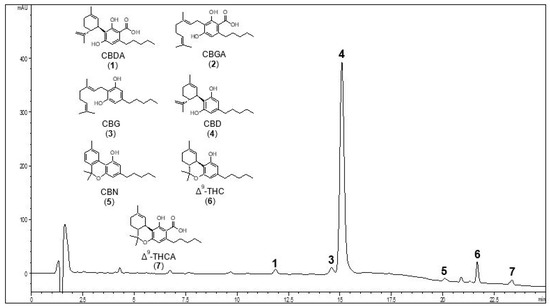
“To investigate effects of smoking cannabidiol (CBD)-rich marijuana on driving ability and determine free CBD and Δ9-tetrahydrocannabinol (THC) concentrations in capillary blood samples, a randomised, double-blind, placebo-controlled, two-way crossover pilot study was conducted with 33 participants. Participants smoked a joint containing 500 mg of tobacco and either 500 mg of CBD-rich marijuana (16.6% total CBD; 0.9% total THC) or 500 mg of a placebo substance, then performed three different dimensions of the Vienna Test System TRAFFIC examining reaction time, behaviour under stress, and concentration performance. For further assessment of participants’ fitness to drive, three tests of balance and coordination were evaluated and vital signs (blood pressure and pulse) were measured. Dried blood spot samples of capillary blood were taken after smoking and after completion of the tests to determine the cannabinoid concentrations (CBD, THC and THC-metabolites). The results revealed no significant differences between the effects of smoking CBD-rich marijuana and placebo on reaction time, motor time, behaviour under stress, or concentration performance. Maximum free CBD and THC concentrations in capillary blood were detected shortly after smoking, ranging between 2.6-440.0 ng/mL and 6.7-102.0 ng/mL, respectively. After 45 min, capillary blood concentrations had already declined and were in the range of 1.9-135.0 ng/mL (free CBD) and 0.9-38.0 ng/mL (free THC). Although the observed levels of free THC concentrations have been reported to cause symptoms of impairment in previous studies in which THC-rich marijuana was smoked, no signs of impairment were found in the current study. This finding suggests that higher CBD concentrations cause a negative allosteric effect in the endocannabinoid system, preventing the formation of such symptoms. Nevertheless, it is recommended that consumers refrain from driving for several hours after smoking CBD-rich marijuana, as legal THC concentration limits may be exceeded.”

https://pubmed.ncbi.nlm.nih.gov/34868711/

  • “No significant impact on driving ability was found after smoking CBD-rich marijuana.”

https://www.tandfonline.com/doi/full/10.1080/20961790.2021.1946924

Cannabidiol Inhibits In Vitro Human Liver Microsomal Metabolism of Remdesivir: A Promising Adjuvant for COVID-19 Treatment

View details for Cannabis and Cannabinoid Research cover image

“Introduction: The year 2020 began with the world being flounced with a wave of novel coronavirus (severe acute respiratory syndrome coronavirus 2 [SARS-CoV-2]) disease, named COVID-19. Based on promising pre-clinical and clinical data, remdesivir (RDV) was the first drug to receive FDA approval and so far, it is the most common therapy for treatment of SARS-CoV-2/MERS-CoV. However, following intravenous administration, RDV metabolizes majorly by human liver carboxylesterase 1 (CES1) and marginally by the CYP3A4 enzyme in merely less than an hour. Its resultant active metabolite is a hydrophilic nucleoside with very limited accumulation within lung tissues. Therefore, there is a need to investigate strategies to overcome such premature metabolism issues and improve the antiviral efficacy of RDV at the target site. Objective: Considering the major CES1-mediated metabolism of RDV on systemic administration, we intend to explore the remarkable CES1 plus CYP3A4 inhibitory activity of cannabidiol (CBD) against in vitro microsomal metabolism of RDV to indicate its therapeutic potential as an adjuvant to RDV in the treatment and management of COVID-19. Methods: We investigated the in vitro human liver microsomal metabolism of RDV in the presence of two potential CES1 inhibitors-CBD and nelfinavir, and two standard CYP3A4 inhibitors-ritonavir (RITO) and cyclosporin A. The microsomal metabolism assay was further validated by using a well-characterized CYP3A4-selective substrate, midazolam (MDZ), in the presence of CBD and RITO. Results: Our findings depicted that RDV was rapidly and completely metabolized by human liver microsomes within 60 min. Coincubation with CBD substantially reduced microsomal metabolism of RDV and prolonged its in vitro half-life from 8.93 to 31.07 min. CBD showed significantly higher inhibition of RDV compared with known CES1 and CYP3A4 inhibitors. Inhibition of MDZ metabolism by CBD and RITO further validated the assay. Conclusions: The current study strongly suggests that CBD significantly inhibits human liver microsomal metabolism of RDV and extends its in vitro half-life. Thus, concomitant administration of CBD with RDV intravenous injection could be a promising strategy to prevent premature metabolism in COVID-19 patients.”

https://pubmed.ncbi.nlm.nih.gov/34918945/

https://www.liebertpub.com/doi/10.1089/can.2021.0109


Cannabinoid Therapeutics in Chronic Neuropathic Pain: From Animal Research to Human Treatment

Frontiers Logo

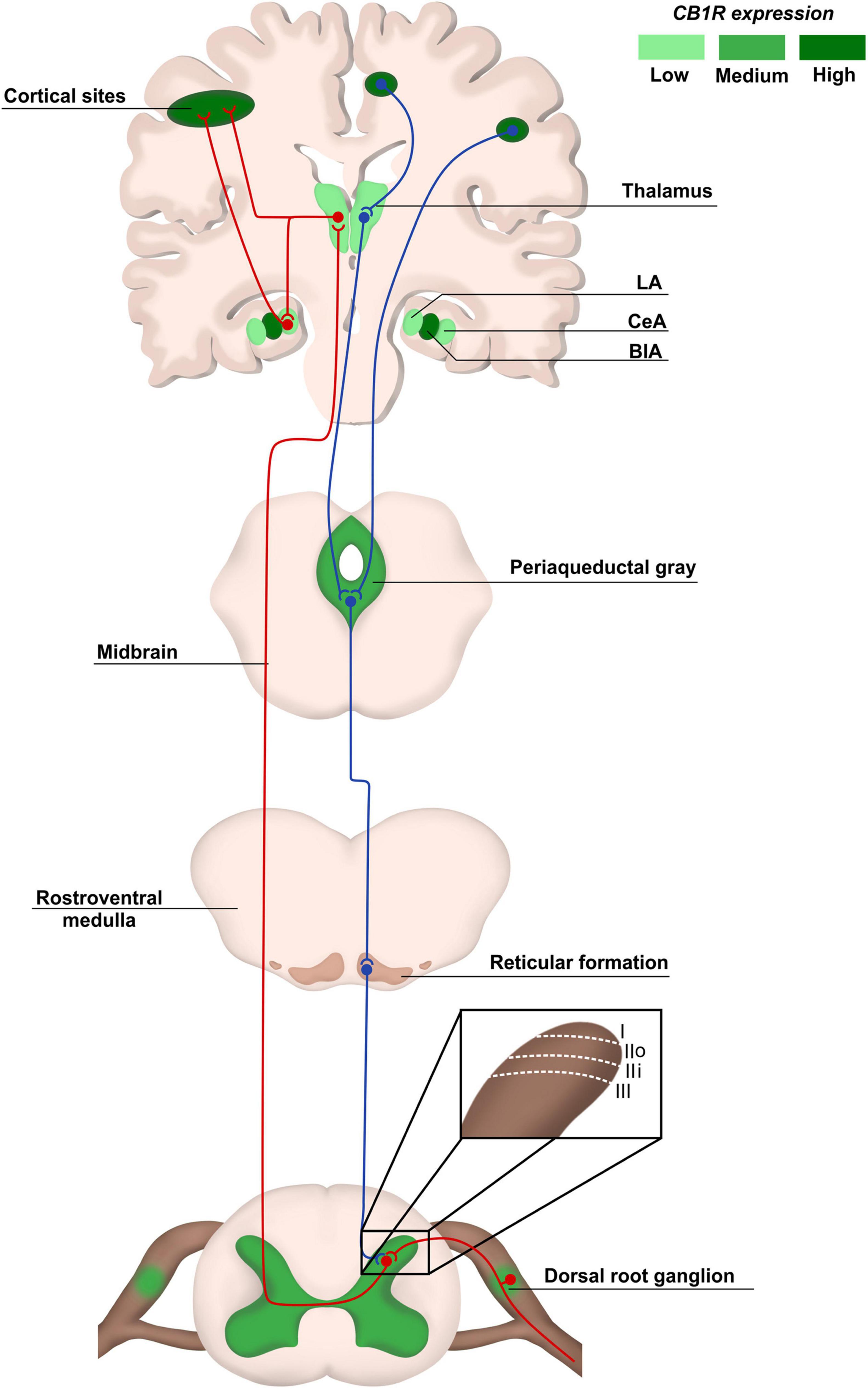
“Despite the importance of pain as a warning physiological system, chronic neuropathic pain is frequently caused by damage in the nervous system, followed by persistence over a long period, even in the absence of dangerous stimuli or after healing of injuries. Chronic neuropathic pain affects hundreds of millions of adults worldwide, creating a direct impact on quality of life. This pathology has been extensively characterized concerning its cellular and molecular mechanisms, and the endocannabinoid system (eCS) is widely recognized as pivotal in the development of chronic neuropathic pain. Scientific evidence has supported that phyto-, synthetic and endocannabinoids are efficient for pain management, while strong data arise from the therapeutic use of Cannabis-derived products. The use of medicinal Cannabis products is directed toward not only relieving symptoms of chronic pain, but also improving several aspects of patients’ welfare. Here, we review the involvement of eCS, along with other cellular and molecular elements, in chronic neuropathic pain pathology and how this system can be targeted for pain management.”

https://pubmed.ncbi.nlm.nih.gov/34916962/

“The role of eCS as a pharmacological target and the advantages of using medicinal Cannabis sp. to treat pain is remarkable, as described in this review.”

https://www.frontiersin.org/articles/10.3389/fphys.2021.785176/full


Cannabidiol Inhibits Tau Aggregation In Vitro

cells-logo

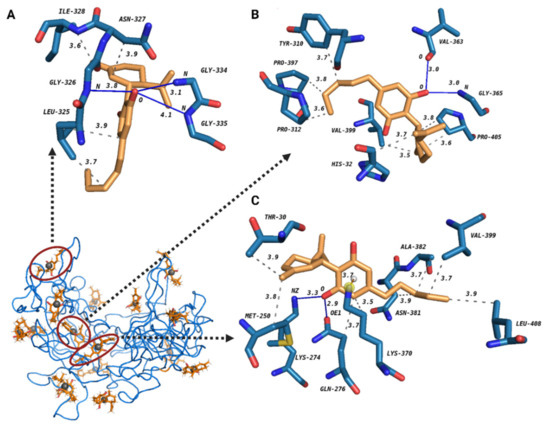
“A hallmark of Alzheimer’s disease (AD) is the accumulation of tau protein in the brain. Compelling evidence indicates that the presence of tau aggregates causes irreversible neuronal destruction, eventually leading to synaptic loss. So far, the inhibition of tau aggregation has been recognized as one of the most effective therapeutic strategies. Cannabidiol (CBD), a major component found in Cannabis sativa L., has antioxidant activities as well as numerous neuroprotective features. Therefore, we hypothesize that CBD may serve as a potent substance to hamper tau aggregation in AD. In this study, we aim to investigate the CBD effect on the aggregation of recombinant human tau protein 1N/4R isoform using biochemical methods in vitro and in silico. Using Thioflavin T (ThT) assay, circular dichroism (CD), and atomic force microscopy (AFM), we demonstrated that CBD can suppress tau fibrils formation. Moreover, by quenching assay, docking, and job’s plot, we further demonstrated that one molecule of CBD interacts with one molecule of tau protein through a spontaneous binding. Experiments performed by quenching assay, docking, and Thioflavin T assay further established that the main forces are hydrogen Van der Waals and some non-negligible hydrophobic forces, affecting the lag phase of tau protein kinetics. Taken together, this study provides new insights about a natural substance, CBD, for tau therapy which may offer new hope for the treatment of AD.”

https://pubmed.ncbi.nlm.nih.gov/34944028/

https://www.mdpi.com/2073-4409/10/12/3521


Applications of Cannabis Sativa L. in Food and Its Therapeutic Potential: From a Prohibited Drug to a Nutritional Supplement

molecules-logo

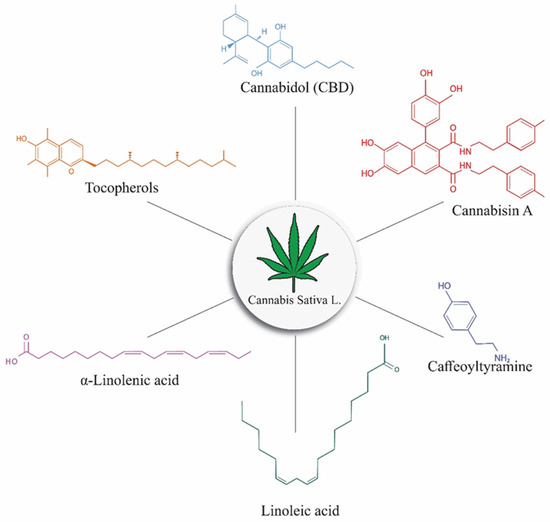
“Hemp (Cannabis sativa L.) is a herbaceous anemophilous plant that belongs to the Cannabinaceae family. The cannabis seed (hemp) has long been utilized as a food source and is commercially important as an edible oil source. In this review, the positive and negative health effects of cannabis, the relationship between cannabis and various diseases, and the use of cannabis in various food products have been discussed. In addition, the scientific literature on the potential use of cannabis and its derivatives as a dietary supplement for the prevention and treatment of inflammatory and chronic degenerative diseases in animals and humans has been reviewed. Cannabis is being developed as a key ingredient in a variety of food items, including bakery, confectionery, beverages, dairy, fruits, vegetables, and meat. Hemp seeds are high in readily digestible proteins, lipids, polyunsaturated fatty acids (PUFA), insoluble fiber, carbs, and favorable omega-6 PUFA acid to omega-3 PUFA ratio and have high nutritional value. The antioxidants of cannabis, such as polyphenols, help with anxiety, oxidative stress, and the risk of chronic illnesses, including cancer, neurological disorders, digestive problems, and skin diseases. Overall, the purpose of this research is to stimulate more in-depth research on cannabis’s adaptation in various foods and for the treatment of chronic illnesses.”

https://pubmed.ncbi.nlm.nih.gov/34946779/

https://www.mdpi.com/1420-3049/26/24/7699


Long-term cannabidiol treatment for seizures in patients with tuberous sclerosis complex: An open-label extension trial

“Objective: To evaluate the long-term safety and efficacy of add-on cannabidiol (CBD) in patients with seizures associated with tuberous sclerosis complex (TSC) in the open-label extension (OLE) of the randomized, placebo-controlled phase 3 trial GWPCARE6 (NCT02544763). Results of an interim (February 2019 data cut) analysis are reported.

Methods: Patients who completed the randomized trial enrolled to receive CBD (Epidiolex® in the United States; Epidyolex® in the EU; 100 mg/mL oral solution). The initial target dose was 25 mg/kg/day, which, based on response and tolerability, could be decreased or increased up to 50 mg/kg/day. The primary end point was safety. Key secondary end points included percentage reduction in TSC-associated (countable focal and generalized) seizures, responder rates, and Subject/Caregiver Global Impression of Change (S/CGIC).

Results: Of 201 patients who completed the randomized phase, 199 (99%) entered the OLE. Mean age was 13 years (range, 1-57). At the time of analysis, 5% of patients had completed treatment, 20% had withdrawn, and 75% were ongoing. One-year retention rate was 79%. Median treatment time was 267 days (range, 18-910) at a 27 mg/kg/day mean modal dose. Most patients (92%) had an adverse event (AE). Most common AEs were diarrhea (42%), seizure (22%), and decreased appetite (20%). AEs led to permanent discontinuation in 6% of patients. There was one death that was deemed treatment unrelated by the investigator. Elevated liver transaminases occurred in 17 patients (9%) patients; 12 were taking valproate. Median percentage reductions in seizure frequency (12-week windows across 48 weeks) were 54%-68%. Seizure responder rates (≥50%, ≥75%, 100% reduction) were 53%-61%, 29%-45%, and 6%-11% across 12-week windows for 48 weeks. Improvement on the S/CGIC scale was reported by 87% of patients/caregivers at 26 weeks.

Significance: In patients with TSC, long-term add-on CBD treatment was well tolerated and sustainably reduced seizures through 48 weeks, with most patients/caregivers reporting global improvement.”

https://pubmed.ncbi.nlm.nih.gov/34957550/

“The results of our study show that add-on CBD can be an efficacious long-term treatment for TSC-associated seizures with manageable side effects and has been approved in patients as young as 1 year of age in the United States.”

https://onlinelibrary.wiley.com/doi/10.1111/epi.17150

Antiseizure Effects of Fully Characterized Non-Psychoactive Cannabis sativa L. Extracts in the Repeated 6-Hz Corneal Stimulation Test

pharmaceuticals-logo

“Compounds present in Cannabis sativa L. preparations have recently attracted much attention in the treatment of drug-resistant epilepsy. Here, we screened two olive oil extracts from a non-psychoactive C. sativa variety, fully characterized by high-performance liquid chromatography and gas chromatography. Particularly, hemp oils with different concentrations of terpenes were administered at the same dose of cannabidiol (25 mg/kg/day orally), 1 h before the 6-Hz corneal stimulation test (44 mA). Mice were stimulated once a day for 5 days and evaluated by video-electrocorticographic recordings and behavioral analysis. Neuronal activation was assessed by FosB/ΔFosB immunoreactivity. Both oils significantly reduced the percentage of mice experiencing convulsive seizures in comparison to olive oil-treated mice (p < 0.050; Fisher’s exact test), but only the oil enriched with terpenes (K2) significantly accelerated full recovery from the seizure. These effects occurred in the presence of reduced power of delta rhythm, and, instead, increased power of theta rhythm, along with a lower FosB/ΔFosB expression in the subiculum (p < 0.050; Duncan’s method). The overall findings suggest that both cannabinoids and terpenes in oil extracts should be considered as potential therapeutic agents against epileptic seizures and epilepsy.”

https://pubmed.ncbi.nlm.nih.gov/34959660/

https://www.mdpi.com/1424-8247/14/12/1259


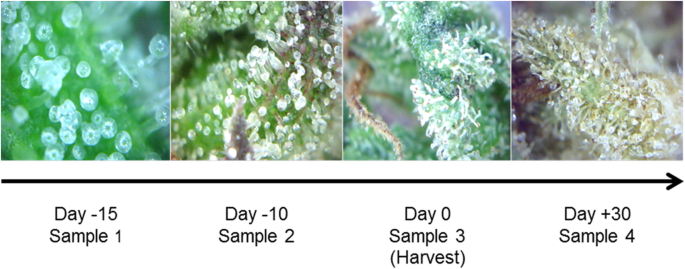
Cannabis sativa extracts protect LDL from Cu 2+-mediated oxidation

figure 2

“Background: Multiple therapeutic properties have been attributed to Cannabis sativa. However, further research is required to unveil the medicinal potential of Cannabis and the relationship between biological activity and chemical profile.

Objectives: The primary objective of this study was to characterize the chemical profile and antioxidant properties of three varieties of Cannabis sativa available in Uruguay during progressive stages of maturation.

Methods: Fresh samples of female inflorescences from three stable Cannabis sativa phenotypes, collected at different time points during the end of the flowering period were analyzed. Chemical characterization of chloroform extracts was performed by 1H-NMR. The antioxidant properties of the cannabis sativa extracts, and pure cannabinoids, were measured in a Cu2+-induced LDL oxidation assay.

Results: The main cannabinoids in the youngest inflorescences were tetrahydrocannabinolic acid (THC-A, 242 ± 62 mg/g) and tetrahydrocannabinol (THC, 7.3 ± 6.5 mg/g). Cannabinoid levels increased more than twice in two of the mature samples. A third sample showed a lower and constant concentration of THC-A and THC (177 ± 25 and 1 ± 1, respectively). The THC-A/THC rich cannabis extracts increased the latency phase of LDL oxidation by a factor of 1.2-3.5 per μg, and slowed down the propagation phase of lipoperoxidation (IC50 1.7-4.6 μg/mL). Hemp, a cannabidiol (CBD, 198 mg/g) and cannabidiolic acid (CBD-A, 92 mg/g) rich variety, also prevented the formation of conjugated dienes during LDL oxidation. In fact, 1 μg of extract was able to stretch the latency phase 3.7 times and also to significantly reduce the steepness of the propagation phase (IC50 of 8 μg/mL). Synthetic THC lengthened the duration of the lag phase by a factor of 21 per μg, while for the propagation phase showed an IC50 ≤ 1 μg/mL. Conversely, THC-A was unable to improve any parameter. Meanwhile, the presence of 1 μg of pure CBD and CBD-A increased the initial latency phase 4.8 and 9.4 times, respectively, but did not have an effect on the propagation phase.

Conclusion: Cannabis whole extracts acted on both phases of lipid oxidation in copper challenged LDL. Those effects were just partially related with the content of cannabinoids and partially recapitulated by isolated pure cannabinoids. Our results support the potentially beneficial effects of cannabis sativa whole extracts on the initial phase of atherosclerosis.”

https://pubmed.ncbi.nlm.nih.gov/33123676/

“Our findings support the beneficial effects of Cannabis sativa extracts on the initial phase of atherosclerosis. Since isolated cannabinoids were less effective preventing the oxidation of LDL, a synergistic effect between the diverse arrange of phytochemicals present in complex extracts is supported, reinforcing the entourage hypothesis and the use of whole medicinal cannabis extracts for therapeutic purposes.”

https://jcannabisresearch.biomedcentral.com/articles/10.1186/s42238-020-00042-0

Tetrahydrocannabinol-Rich Extracts From Cannabis Sativa L. Improve Glucose Consumption and Modulate Metabolic Complications Linked to Neurodegenerative Diseases in Isolated Rat Brains

Frontiers Logo

“Reduced brain glucose consumption arising from impaired glucose uptake and utilization has been linked to the pathogenesis and complications of neurodegenerative diseases. The ability of Cannabis sativa L. tetrahydrocannabinol (THC)-rich extracts to stimulate brain glucose uptake and utilization as well as its modulatory effect on gluconeogenesis, antioxidative, purinergic and cholinergic activities were investigated in isolated rats’ brains. C. sativa leaves were sequentially extracted to yield the hexane and dichloromethane extracts. The extracts were incubated at 37°C with freshly harvested brains in the presence of glucose for 2 h. The control consisted of incubation without the extracts, while brains without the extracts and glucose served as the normal control. Metformin was used as the standard drug. C. sativa extracts caused a significant (p < 0.05) increase in brain glucose uptake, with concomitant elevation of glutathione level, superoxide dismutase, catalase, and ecto-nucleoside triphosphate diphosphohydrolase activities compared to the controls. Incubation with C. sativa extracts also led to depletion in malondialdehyde and nitric oxide levels, acetylcholinesterase, butyrylcholinesterase, glucose 6-phosphatase and fructose-1,6-biphosphatase activities. GC-MS analysis of the extracts revealed the presence of THC. In silico analysis predicted THC to be permeable across the blood-brain-barrier. THC was also predicted to have an oral LD50 and toxicity class values of 482 mg/kg and 4 respectively. These results indicate that C. sativa improves glucose consumption with concomitant suppression of oxidative stress and cholinergic dysfunction, and modulation of purinergic and gluconeogenic activities in brain tissues.”

https://pubmed.ncbi.nlm.nih.gov/33390972/

“As portrayed by these results, C. sativa improves glucose consumption with concomitant suppression of oxidative stress and cholinergic dysfunction, and modulation of purinergic and gluconeogenic activities in brain tissues. Further studies are recommended to decipher the molecular mechanisms that may be involved in these neuroprotective activities in in vivo studies.”

https://www.frontiersin.org/articles/10.3389/fphar.2020.592981/full

Cannabis sativa L. (var. indica) Exhibits Hepatoprotective Effects by Modulating Hepatic Lipid Profile and Mitigating Gluconeogenesis and Cholinergic Dysfunction in Oxidative Hepatic Injury

Frontiers Logo

“Cannabis sativa L. is a crop utilized globally for recreational, therapeutic, and religious purposes. Although considered as an illicit drug in most countries, C. sativa until recently started gaining attention for its medicinal application. This study sought to investigate the hepatoprotective effect of C. sativa on iron-mediated oxidative hepatic injury. Hepatic injury was induced ex vivo by incubating hepatic tissues with Fe2+, which led to depleted levels of reduced glutathione, superoxide dismutase, catalase and ENTPDase activities, triglyceride, and high-density lipoprotein-cholesterol (HDL-C). Induction of hepatic injury also caused significant elevation of malondialdehyde, nitric oxide, cholesterol, and low-density lipoprotein-cholesterol (LDL-C) levels while concomitantly elevating the activities of ATPase, glycogen phosphorylase, glucose-6-phosphatase, fructose-1,6-bisphosphatase, amylase, and lipase. Treatment with the hexane, dichloromethane (DCM), and ethanol extracts of C. sativa leaves significantly (p < 0.05) reversed these levels and activities to almost near normal. However, there was no significant effect on the HDL-C level. The extracts also improved the utilization of glucose in Chang liver cells. High-performance liquid chromatography (HPLC) analysis showed the presence of phenolics in all extracts, with the ethanol extract having the highest constituents. Cannabidiol (CBD) was identified in all the extracts, while Δ-9-tetrahydrocannabinol (Δ-9-THC) was identified in the hexane and DCM extracts only. Molecular docking studies revealed strong interactions between CBD and Δ-9-THC with the β2 adrenergic receptor of the adrenergic system. The results demonstrate the potential of C. sativa to protect against oxidative-mediated hepatic injury by stalling oxidative stress, gluconeogenesis, and hepatic lipid accumulation while modulating cholinergic and purinergic activities. These activities may be associated with the synergistic effect of the compounds identified and possible interactions with the adrenergic system.”

https://pubmed.ncbi.nlm.nih.gov/34992528/

“The data obtained in this study indicate the ability of C. sativa to protect against oxidative-mediated hepatic injury by stalling oxidative stress, gluconeogenesis, and hepatic lipid accumulation while modulating cholinergic and purinergic activities. These activities may be associated with the synergistic effect of the identified phenolics, CBD, and Δ-9-THC and possible interactions with the adrenergic system.”

https://www.frontiersin.org/articles/10.3389/fphar.2021.705402/full