Long-term use of cannabidiol-enriched medical cannabis in a prospective cohort of children with drug-resistant developmental and epileptic encephalopathy

Epilepsy Action

“Objective: We report our findings regarding effectiveness, safety, and tolerability of cannabidiol (CBD)-enriched medical cannabis as add-on therapy in children with drug-resistant epileptic encephalopathies (DEEs) after a median follow-up of 20 months.

Methods: A prospective cohort study was conducted to assess effectiveness, safety, and tolerability of CBD-enriched medical cannabis oil added to standard antiseizure medications in children with drug-resistant DEE seen at a single center.

Results: Between October 2018 and March 2020, 59 patients were enrolled. Mean age at enrollment was 10.5 years (range, 2-17 years). Median treatment duration was 20 months (range, 12-32). Median age at first seizure was 8 months (range, 1 day – 10 years). At the end of follow-up, 78% of the children had a ≥ 50% decrease in seizure frequency and 47.5% had a > 75% decrease. Seven patients (11.9%) were seizure free. The number of seizures was reduced from a median of 305/month to 90/month, amounting to a mean reduction of 57% and a median reduction of 71% (p < 0.0001). Adverse effects were mostly mild or moderate. CBD was discontinued in 17 patients (28.8%) due to lack of response to treatment, increased seizure frequency, intolerance to the drug, or poor compliance.

Conclusion: In children with drug-resistant DEEs, long-term treatment of CBD-enriched medical cannabis as an adjuvant therapy to antiseizure therapy was found to be safe, well tolerated, and effective. Sustained reductions in seizure frequency and improvement of aspects of daily living were observed compared to our preliminary findings.”

https://pubmed.ncbi.nlm.nih.gov/34999381/

  • “•Long-term use of CBD-enriched medical cannabis as add-on treatment seems safe and effective in DEE.
  • The drug was well tolerated and had a positive impact on aspects of daily living.
  • Good results were found in patients with LGS and DS, as well as those with DEEs other than LGS and DS.
  • No tolerance to CBD-enriched medical cannabis was observed in any of the children.”

https://www.seizure-journal.com/article/S1059-1311(22)00001-2/fulltext

Healing of a Chronic Pressure Injury in a Patient Treated With Medical Cannabis for Pain and Sleep Improvement: A Case Report

Wound Management and Prevention Logo

“Background: A small body of evidence suggests medical cannabis may facilitate wound healing, but the exact mechanism of this effect is unclear.

Purpose: This case report describes a patient with a pressure injury (PI) who received cannabis oil treatment for pain management and sleep improvement.

Methods: A 37-year-old woman with multiminicore disease, scoliosis, short-chain acyl-CoA dehydrogenase deficiency, and epilepsy presented to the Neurology Centre of Toronto with chronic pain and sleep disturbance, including difficulty initiating and maintaining sleep. She also had a 5-year history of a PI between her right iliac crest and right rib cage that had progressively worsened. The patient received a medical cannabis oil protocol that used a combination of cannabidiol and tetrahydrocannabinol.

Results: Cannabis oil was effective in treating pain and sleep difficulties. Unexpectedly, during the first 2 weeks of treatment, the PI started to heal and was almost completely closed at the 2-month follow-up.

Conclusion: Although it is unknown if the observed healing of this refractory PI was indirectly or directly related to the cannabidiol and tetrahydrocannabinol treatment, the potential relationships among pain, sleep disturbance, cannabis treatment, and healing should be explored.”

https://pubmed.ncbi.nlm.nih.gov/35030093/

“This case report provides an account of a patient who began using orally administered medical cannabis oil for sleep disturbances and pain management and subsequently experienced rapid healing of a chronic PI.”

https://www.hmpgloballearningnetwork.com/site/wmp/case-report/healing-chronic-pressure-injury-patient-treated-medical-cannabis-pain-and

Adherence, Safety, and Effectiveness of Medical Cannabis and Epidemiological Characteristics of the Patient Population: A Prospective Study

Frontiers Logo

“Background: Despite the absence of rigorous prospective studies, there has been an increase in the use of cannabis-based medicinal products. During the study period, the use of medical cannabis in Israel was tightly regulated by national policy. Through a prospective study of approximately 10,000 patients, we aimed to characterize the medical cannabis patient population as well as to identify treatment adherence, safety, and effectiveness.

Methods and findings: In this study of prescribed medical cannabis patients, adherence, safety, and effectiveness were assessed at 6 months. Treatment adherence was assessed by the proportion of patients purchasing the medication out of the total number of patients (excluding deceased cases and patients transferred to another cannabis clinic). Safety was assessed by the frequency of the side-effects, while effectiveness was defined as at least moderate improvement in the patient condition without treatment cessation or serious side-effects. The most frequent primary indications requiring therapy were cancer (49.1%), followed by non-specific pain (29.3%). The average age was 54.6 ± 20.9 years, 51.1% males; 30.2% of the patients reported prior experience with cannabis. During the study follow-up, 1,938 patients died (19.4%) and 1,735 stopped treatment (17.3%). Common side-effects, reported by 1,675 patients (34.2%), were: dizziness (8.2%), dry mouth (6.7%), increased appetite (4.7%), sleepiness (4.4%), and psychoactive effect (4.3%). Overall, 70.6% patients had treatment success at 6 months. Multivariable logistic regression analysis revealed that the following factors were associated with treatment success: cigarette smoking, prior experience with cannabis, active driving, working, and a young age. The main limitation of this study was the lack of data on safety and effectiveness of the treatment for patients who refused to undergo medical assessment even at baseline or died within the first 6 months.

Conclusions: We observed that supervised medical-cannabis treatment is associated with high adherence, improvement in quality of life, and a decrease in pain level with a low incidence of serious adverse events.”

https://pubmed.ncbi.nlm.nih.gov/35223923/


“This is a large study describing certain characteristics of medical cannabis users in a tightly regulated environment. The treatment appears to be safe and efficacious.”

https://www.frontiersin.org/articles/10.3389/fmed.2022.827849/full

Medical Cannabis for Gilles de la Tourette Syndrome: An Open-Label Prospective Study

logo

“Objectives: Assessing the effectiveness and tolerability of medical cannabis (MC) treatment on Gilles de la Tourette syndrome (GTS) patients.

Methods: We report on an open-label, prospective study on the effect of MC on adult GTS patients. MC mode of use was decided by the treating neurologist and the patient. Δ9-Tetrahydrocannabinol (Δ9-THC) and cannabidiol (CBD) content within MC product and monthly dose were titrated during the study. Following treatment initiation, patients were assessed after 4 and 12 weeks for efficacy, tolerability, and side effects.

Results: Eighteen patients entered the study. Baseline Yale Global Tic Severity Scale- (YGTSS) Total (range 0-100) was 60.3 ± 17.1. Three patients did not reach the end of follow-up period. The most common mode of administration was smoking (80%). Following twelve weeks of treatment, a significant 38% average reduction (p = 0.002) of YGTSS-Total and a 20% reduction (p = 0.043) of Premonitory Urge for Tic Scale (PUTS) were observed. Common side effects were dry mouth (66.7%), fatigue (53.3%), and dizziness (46.7%). Three patients suffered from psychiatric side effects including worsening of obsessive compulsive disorder (stopped treatment), panic attack, and anxiety (resolved with treatment modification). Six patients (40%) reported cognitive side effects regarding time perception, visuospatial disorientation, confusion, slow processing speed, and attention.

Conclusions: MC treatment demonstrates good efficacy and tolerability in adult GTS patients. Predilection for smoking rather than using oil drops requires further comparative studies to evaluate the efficacy of each. Cognitive and psychiatric side effects have to be monitored and addressed.”

https://pubmed.ncbi.nlm.nih.gov/35310886/

“Our results are in line with a number of other studies suggesting that MC is effective and well tolerated in adults with GTS. From our data, it is suggested that MC might be a treatment option for resistant TS patients, and MC has a significant effect on tics, premonitory urges, and patients’ overall quality of life. In our sample, patients favored THC-rich cannabis strands and smoking/inhaling MC over sublingual oil.”

https://www.hindawi.com/journals/bn/2022/5141773/

Nutraceutical potential of industrial hemp ( Cannabis sativa L.) extracts: physicochemical stability and bioaccessibility of cannabidiol (CBD) nanoemulsions

“Cannabidiol (CBD) is one of the most promising functional food ingredients, which displays a number of health benefits. However, its low solubility and bioavailability impede its applications in functional foods. Herein, we developed a food-grade CBD nanoemulsion system using medium chain triacylglycerides (MCT), canola oil (CO), or hemp seed oil (HSO) as the carrier oil to compare the physicochemical stability and bioaccessibility of CBD. Encouragingly, all formulations were well maintained for 90 days under the tested temperatures (4, 25 and 37 °C) and pH values (3.5 and 7.0). Quantitative analysis of CBD during storage using high performance liquid chromatography revealed that the light exposure and acidity of the solution are two important factors affecting the chemical stability of CBD. Moreover, improved bioaccessibility of CBD in all three nanoemulsion formulations compared to that of bulk oil forms was confirmed, and the long chain triacylglyceride (LCT)-based nanoemulsion was superior to the MCT-based counterpart.”

https://pubmed.ncbi.nlm.nih.gov/35348145/

https://pubs.rsc.org/en/content/articlelanding/2022/FO/D1FO04433H


Cannabidiolic acid in Hemp Seed Oil Table Spoon and Beyond

molecules-logo

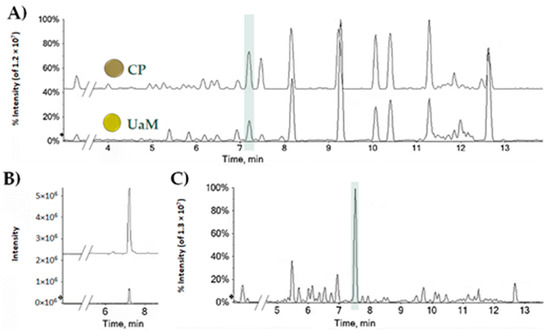
“Cannabidiolic acid (CBDA) is the main precannabinoid in industrial hemp. It represents a common constituent of hemp seed oil, but mainly abundant in the aerial parts of the plant (including their processing waste). Thus, the optimization of fast and low-cost purification strategies is mandatory, as well as a deep investigation on its nutraceutical and cosmeceutical properties. To this purpose, CBDA content in hemp seed oil is evaluated, and its recovery from wasted leaves is favorably achieved. The cytotoxicity screening towards HaCaT cells, by means of MTT, SRB and LDH release assays, suggested it was not able to decrease cell viability or perturb cell integrity up to 10 μM concentration. Thus, the ability of CBDA to differentially modulate the release of proinflammatory cytokines and chemokines mediators has been evaluated, finding that CBDA decreased IFN-γ, CXCL8, CXCL10, CCL2, CCL4 and CCL5, mostly in a dose-dependent manner, with 10 μM tested concentration exerting the highest activity. These data, together with those from assessing antimicrobial activity against Gram(+) and Gram(-) bacteria and the antibiofilm formation, suggest that CBDA is able to counteract the inflammatory response, also preventing bacteria colonization.”

https://pubmed.ncbi.nlm.nih.gov/35458762/

https://www.mdpi.com/1420-3049/27/8/2566


A narrative review of molecular mechanism and therapeutic effect of cannabidiol (CBD)

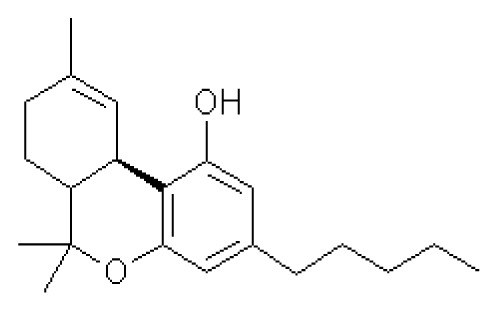
“Cannabidiol (CBD) is an abundant non-psychoactive phytocannabinoid in cannabis extracts which has high affinity on a series of receptors, including Type 1 cannabinoid receptor (CB1), Type 2 cannabinoid receptor (CB2), GPR55, transient receptor potential vanilloid (TRPV) and peroxisome proliferator-activated receptor gamma (PPARγ). By modulating the activities of these receptors, CBD exhibits multiple therapeutic effects, including neuroprotective, antiepileptic, anxiolytic, antipsychotic, anti-inflammatory, analgesic and anticancer properties. CBD could also be applied to treat or prevent COVID-19 and its complications. Here, we provide a narrative review of CBD’s applications in human diseases: from mechanism of action to clinical trials.”

https://pubmed.ncbi.nlm.nih.gov/35083862/

“The herbal use of Cannabis sativa plant extract (also known as cannabis, hemp or marijuana) can be tracked back to ancient China, around 2900 BC.  Cannabidiol (CBD) is one of the most abundant extracts from C. sativa; it has multiple bioactivities and wide health benefits without psychoactive properties. In this review, we summarized the molecular mechanisms and clinical experience in support of CBD as a potential therapeutic compound for various diseases.”

https://onlinelibrary.wiley.com/doi/10.1111/bcpt.13710

Neuroprotection by Cannabinoids in Neurodegenerative Diseases

“The cannabinoids are found to have particular application as neuroprotectants for mental and motor dysfuction in neurodegenerative diseases. The neuroprotective properties of cannabinoids suggest their therapeutic use for limiting neurological damage. The cannabinoids treatments should not only aim to alleviate specific symptoms but also attempt to delay/arrest disease progression and to repair the damaged structures. The author conducted a review of studies published between 1974 and 2011. The search was performed using the following PubMed search terms: “Cannabinoids” and “Neurodegenerative Diseases” and 287 papers were detected. The articles were examined and the overlapping or insufficiently clear works were excluded. Finally we chose 117 articles regarding the latest international guidelines, the pathophysiology of neurodegenerative diseases and the various therapeutic choices. The studies reported in the present review support the view that the cannabinoid signalling system is a key modulatory element in the activity of the basal ganglia. This idea is supported by different anatomical, electrophysiological, pharmacological and biochemical data. Furthermore, these studies indicate that the cannabinoid system is impaired in different neurological disorders that directly or indirectly affect the basal ganglia, which supports the idea of developing novel pharmacotherapies with compounds that selectively target specific elements of the cannabinoid system.”

https://www.oatext.com/neuroprotection-by-cannabinoids-in-neurodegenerative-diseases.php#Article


Recent Advances in the Potential of Cannabinoids for Neuroprotection in Alzheimer’s, Parkinson’s, and Huntington’s Diseases

Book cover

“Three prevalent neurodegenerative diseases, Parkinson’s, Alzheimer’s, and Huntington’s are in need of symptomatic relief of slowing disease progression or both. This chapter focuses on the potential of cannabinoids to afford neuroprotection, i.e. avoid or retard neuronal death. The neuroprotective potential of cannabinoids is known from the work in animal models and is mediated by the two cannabinoid receptors (CB1/CB2) and eventually, by their heteromers, GPR55, orphan receptors (GPR3/GPR6/GPR12/GPR18), or PPARγ. Now, there is the time to translate the findings into patients. The chapter takes primarily into account advances since 2016 and addresses the issue of proving neuroprotection in humans. One recent discovery is the existence of activated microglia with neuroprotective phenotype; cannabinoids are good candidates to skew phenotype, especially via glial CB2 receptors (CB2R), whose targeting has, a priori, less side effects those targeting the CBs1 receptor (CB1R), which are expressed in both neurons and glia. The fact that a cannabis extract (SativexTM) is approved for human therapy, such that cannabis use will likely be legalized in many countries and different possibilities that cannabinoid pharmacology suggests a successful route of cannabinoids (natural or synthetic) all the way to be approved and used in the treatment of neurodegeneration.”

https://pubmed.ncbi.nlm.nih.gov/33332005/

https://link.springer.com/chapter/10.1007/978-3-030-57369-0_6

Cannabidiol as a Therapeutic Target: Evidence of its Neuroprotective and Neuromodulatory Function in Parkinson’s Disease

www.frontiersin.org

“The phytocannabinoids of Cannabis sativa L. have, since ancient times, been proposed as a pharmacological alternative for treating various central nervous system (CNS) disorders. Interestingly, cannabinoid receptors (CBRs) are highly expressed in the basal ganglia (BG) circuit of both animals and humans. The BG are subcortical structures that regulate the initiation, execution, and orientation of movement. CBRs regulate dopaminergic transmission in the nigro-striatal pathway and, thus, the BG circuit also. The functioning of the BG is affected in pathologies related to movement disorders, especially those occurring in Parkinson’s disease (PD), which produces motor and non-motor symptoms that involving GABAergic, glutamatergic, and dopaminergic neural networks. To date, the most effective medication for PD is levodopa (l-DOPA); however, long-term levodopa treatment causes a type of long-term dyskinesias, l-DOPA-induced dyskinesias (LIDs). With neuromodulation offering a novel treatment strategy for PD patients, research has focused on the endocannabinoid system (ECS), as it participates in the physiological neuromodulation of the BG in order to control movement. CBRs have been shown to inhibit neurotransmitter release, while endocannabinoids (eCBs) play a key role in the synaptic regulation of the BG. In the past decade, cannabidiol (CBD), a non-psychotropic phytocannabinoid, has been shown to have compensatory effects both on the ECS and as a neuromodulator and neuroprotector in models such as 6-hydroxydopamine (6-OHDA), 1-methyl-4-phenyl-1,2,3,6-tetrahydropyridine (MPTP), and reserpine, as well as other PD models. Although the CBD-induced neuroprotection observed in animal models of PD has been attributed to the activation of the CB1 receptor, recent research conducted at a molecular level has proposed that CBD is capable of activating other receptors, such as CB2 and the TRPV-1 receptor, both of which are expressed in the dopaminergic neurons of the nigro-striatal pathway. These findings open new lines of scientific inquiry into the effects of CBD at the level of neural communication. Cannabidiol activates the PPARγ, GPR55, GPR3, GPR6, GPR12, and GPR18 receptors, causing a variety of biochemical, molecular, and behavioral effects due to the broad range of receptors it activates in the CNS. Given the low number of pharmacological treatment alternatives for PD currently available, the search for molecules with the therapeutic potential to improve neuronal communication is crucial. Therefore, the investigation of CBD and the mechanisms involved in its function is required in order to ascertain whether receptor activation could be a treatment alternative for both PD and LID.”

https://pubmed.ncbi.nlm.nih.gov/33384602/

https://www.frontiersin.org/articles/10.3389/fphar.2020.595635/full