
 “Alzheimer’s Dementia (AD) is a devastating neurodegenerative disease that affects approximately 17% of people aged 75-84. Neuropsychiatric symptoms (NPS) such as delusions, agitation, anxiety, and hallucinations are present in up to 95% of patients in all stages of dementia. To date, any approved and effective pharmacological interventions for the treatment of NPS are still not available.
We describe a clinical case of a female patient diagnosed with AD with continuous cognitive decline and dementia-related behavioral symptoms. Between 2008 and 2019, the patient was examined half-yearly at the memory clinic of the Medical University of Innsbruck. At each visit, cognitive state and pharmacological treatment were evaluated. In addition, NPs were assessed by using the neuropsychiatric inventory (NPI). In 2018, the patient progressed to severe AD stage and presented with progressive NPs (anxiety, suspected delusions, agitation, aggressive behavior, and suspected pain due to long immobility).
Consequently, off-label treatment with low-dose dronabinol was initiated, which facilitated a reduction of psychopharmacological treatment from six to three psychotropics. At the same time, the patient’s emotional state improved, while disruptive behavior, aggression, and sedation decreased significantly. This case report underpins the need for randomized, controlled trials to explore the effect of cannabinoid receptor agonists on behavioral and psychological symptoms in patients with severe AD.”
https://pubmed.ncbi.nlm.nih.gov/32477187/
“Cannabinoids have a distinct pharmacologic profile that may offer an alternative pharmacologic approach to antipsychotics and sedatives for treating NPs in patients with AD. In addition, the beneficial effect on appetite and pain may significantly improve quality of life of AD-patients and their caregivers.”
https://www.frontiersin.org/articles/10.3389/fpsyt.2020.00413/full
 “Rationale: When acutely administered intraperitoneally, the non-psychoactive cannabinoid cannabidiol (CBD), its acidic precursor cannabidiolic acid (CBDA) and a stable methyl ester of CBDA (HU-580) reduce lithium chloride (LiCl)-induced conditioned gaping in male rats (a selective preclinical model of acute nausea) via activation of the serotonin 1A (5-HT1A) receptor.
 “The major phytocannabinoid cannabidiol (
 “Introduction: Severe Behavioural Problems (SBP) are a major contributor to morbidity in children with Intellectual Disability (ID). Medications used to treat SBP in ID are associated with a high risk of side effects. Cannabidiol has potential therapeutic effects in SBP. This pilot study aimed to investigate the feasibility of conducting a randomized placebo-controlled trial of cannabidiol to reduce SBP in children with ID.
 “Multiple myeloma (MM) is characterized by aberrant bone marrow plasma cell (PC) proliferation and is one of the most common hematological malignancies. The potential effect of cannabinoids on the immune system and hematological malignancies has been poorly characterized.
 “Background: Recent approved medicines whose active principles are Δ9Tetrahidrocannabinol (Δ9-THC) and/or cannabidiol (CBD) open novel perspectives for other phytocannabinoids also present in Cannabis sativa L. varieties. Furthermore, solid data on the potential benefits of acidic and varinic phytocannabinoids in a variety of diseases are already available. Mode of action of cannabigerol (CBG), cannabidiolic acid (CBDA), cannabigerolic acid (CBGA), cannabidivarin (CBDV) and cannabigerivarin (CBGV) is, to the very least, partial.
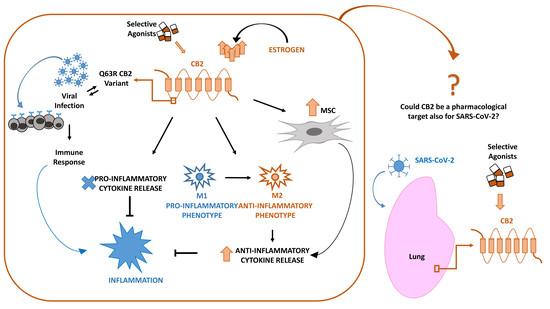

 “Cannabis (Cannabis sativa L.) is a complex, polymorphic plant species, which produces a vast array of bioactive metabolites, the two major chemical groups being cannabinoids and terpenoids. Nonetheless, the psychoactive cannabinoid tetrahydrocannabinol (Δ 9 -THC) and the non-psychoactive cannabidiol (CBD), are the two major cannabinoids that have monopolized the research interest.
 “Several neuropharmacological actions of cannabidiol (CBD) due to the modulation of the endocannabinoid system as well as direct serotonergic and gamma-aminobutyric acidergic actions have recently been identified.