
“Although b2-receceptor agonists are powerful bronchodilators and are at the forefront of asthma symptom relief, patients who use them frequently develop partial resistance to them. This can be a particularly serious problem during severe attacks, where high dose b2-agonist treatment is the front line therapy. Alternative bronchodilators are urgently needed. In this article we review the evidence for the bronchodilator effects of the cannabinoid CB1 receptor tetrahydrocannabinol (THC) and suggest that the mechanism of action for these effects are sufficiently independent of the mechanisms of standard bronchodilators to warrant clinical investigation. Specifically, clinical trials testing the bronchodilator effects of THC in b2 agonist resistant asthmatic patients would show whether THC could fill the role of rescue bronchodilator in cases of b2 agonist resistance.” https://www.ncbi.nlm.nih.gov/pubmed/28641517]]>
Author Archives: David Worrell
Guanfacine Attenuates Adverse Effects of Dronabinol (THC) on Working Memory in Adolescent-Onset Heavy Cannabis Users: A Pilot Study.
 “The cannabinoid-1 receptor (CB1R) agonist Δ9-tetrahydrocannabinol (THC), the main psychoactive constituent of cannabis, adversely effects working memory performance in humans. The α2A-adrenoceptor (AR) agonist guanfacine improves working memory performance in humans. The authors aimed to determine the effects of short-term (6 days) treatment with guanfacine on adverse cognitive effects produced by THC.
Employing a double-blind, placebo-controlled crossover design, the cognitive, subjective, and cardiovascular effects produced by oral THC (20 mg) administration were determined twice in the same cannabis users: once after treatment with placebo and once after treatment with guanfacine (3 mg/day).
Although THC increased visual analog scores of subjective effects and heart rate, these increases were similar during treatment with placebo and guanfacine. THC did not significantly affect performance of a recognition memory task or blood pressure while individuals were maintained on either treatment.
Although preliminary, these results suggest that guanfacine warrants further testing as a potential treatment for cannabis-induced cognitive deficits.” https://www.ncbi.nlm.nih.gov/pubmed/28641496 http://neuro.psychiatryonline.org/doi/10.1176/appi.neuropsych.16120328
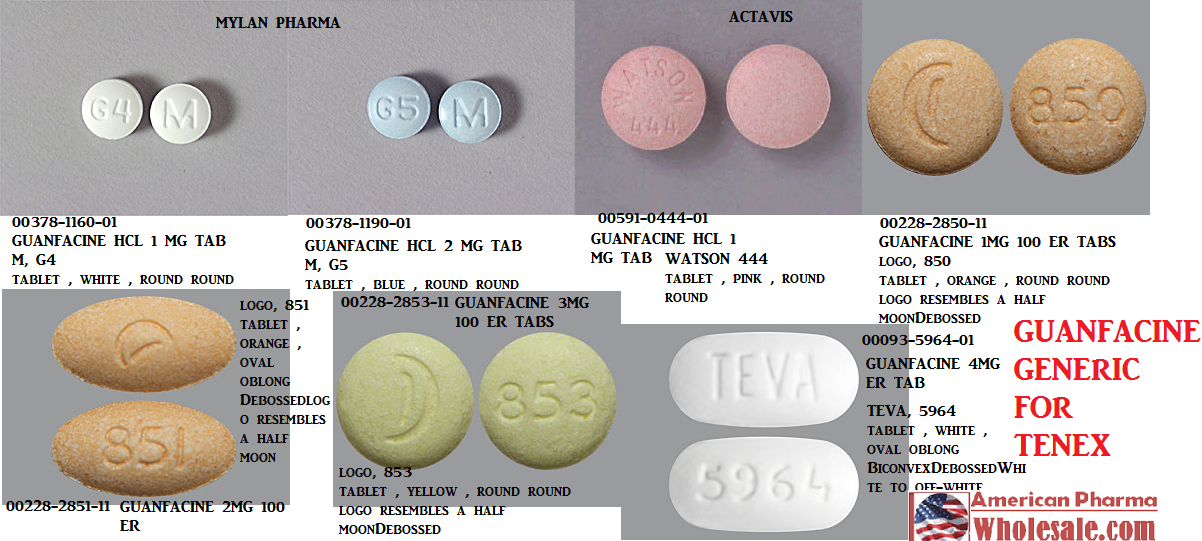
“Guanfacine (brand name Estulic, Tenex and the extended release Intuniv; not to be confused with guaifenesin, an expectorant) is a sympatholytic drug used in the treatment of attention deficit hyperactivity disorder (ADHD), anxiety, and hypertension. It is a selective α2A receptor agonist“ https://en.wikipedia.org/wiki/Guanfacine
“The cannabinoid-1 receptor (CB1R) agonist Δ9-tetrahydrocannabinol (THC), the main psychoactive constituent of cannabis, adversely effects working memory performance in humans. The α2A-adrenoceptor (AR) agonist guanfacine improves working memory performance in humans. The authors aimed to determine the effects of short-term (6 days) treatment with guanfacine on adverse cognitive effects produced by THC.
Employing a double-blind, placebo-controlled crossover design, the cognitive, subjective, and cardiovascular effects produced by oral THC (20 mg) administration were determined twice in the same cannabis users: once after treatment with placebo and once after treatment with guanfacine (3 mg/day).
Although THC increased visual analog scores of subjective effects and heart rate, these increases were similar during treatment with placebo and guanfacine. THC did not significantly affect performance of a recognition memory task or blood pressure while individuals were maintained on either treatment.
Although preliminary, these results suggest that guanfacine warrants further testing as a potential treatment for cannabis-induced cognitive deficits.” https://www.ncbi.nlm.nih.gov/pubmed/28641496 http://neuro.psychiatryonline.org/doi/10.1176/appi.neuropsych.16120328
“Guanfacine (brand name Estulic, Tenex and the extended release Intuniv; not to be confused with guaifenesin, an expectorant) is a sympatholytic drug used in the treatment of attention deficit hyperactivity disorder (ADHD), anxiety, and hypertension. It is a selective α2A receptor agonist“ https://en.wikipedia.org/wiki/Guanfacine
Cannabinoids in Pediatrics.
 “Despite its controversial nature, the use of medical marijuana and cannabis-derived medicinal products grows more popular with each passing year. As of November 2016, over 40 states have passed legislation regarding the use of either medical marijuana or cannabidiol products. Many providers have started encountering patients experimenting with cannabis products for a wide range of conditions. While the debate continues regarding these agents for both medicinal and recreational use in the general population, special consideration needs to be made for pediatric use. This review will deliver the history of marijuana use and legislation in the United States in addition to the currently available medical literature to equip pediatric health care providers with resources to provide patients and their parents the best recommendation for safe and appropriate use of cannabis-containing compounds.” https://www.ncbi.nlm.nih.gov/pubmed/28638299 http://www.jppt.org/doi/10.5863/1551-6776-22.3.176?code=ppag-site
 “LH-21 is a triazol derivative that has been described as a low-permeant neutral CB1 antagonist, though its pharmacology is still unclear. It has been associated with anti-obesity actions in obese rats. However, its role in preventing type 2 diabetes (T2D) onset have not been studied yet. Given CB1 receptors remain as potential pharmacological targets to fight against obesity and T2D, we wanted to explore the metabolic impact of this compound in an animal model of obesity and pre-diabetes as well as the lack of relevant actions in related central processes such as anxiety. These results suggest that LH-21 can be a new candidate to fight against diabetes onset. Indeed, this compound shows potential in counteracting obesity-related anxiety.”
