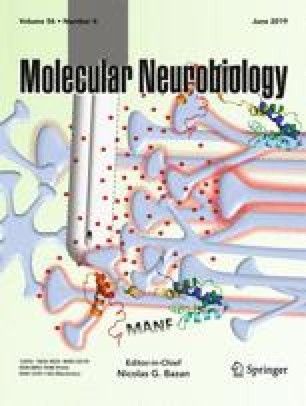
“Flavonoids form a diverse class of naturally occurring polyphenols ascribed various biological activities, including inhibition of amyloid β (Aβ) fibrillisation and neurotoxicity of relevance to Alzheimer’s disease.
Cannabis contains a unique subset of prenylated flavonoids, the cannflavins.
While selected conventional flavonoids have demonstrated anti-amyloid and neuroprotective potential, any neuroprotective bioactivity of prenylated flavonoids has not been determined.
We evaluated the in vitro neuroprotective and anti-aggregative properties of the novel geranylated cannabis-derived flavonoid, cannflavin A against Aβ1-42 and compared it to two similarly geranylated flavonoids, mimulone and diplacone, to compare the bioactive properties of these unique flavonoids more broadly.
RESULTS:
Cannflavin A demonstrated intrinsic hormetic effects on cell viability, increasing viability by 40% from 1-10µM but displaying neurotoxicity at higher (>10-100µM) concentrations. Neither mimulone nor diplacone exhibited such a biphasic effect, instead showing only concentration-dependent neurotoxicity, with diplacone the more potent (from >1 µM). However at the lower concentrations (<10µM), cannflavin A increased cell viability by up to 40%, while 10µM cannflavin A inhibited the neurotoxicity elicited by Aβ1-42 (0-2µM), reducing Aβ aggregate adherence to PC-12 cells and associated neurite loss. The neuroprotective effects of cannflavin A were associated with a direct inhibition of Aβ1-42 fibril and aggregate density, evidenced by attenuated ThT fluorescence kinetics and microscopic evidence of both altered and diminished density of Aβ aggregate and fibril morphology via electron microscopy.
CONCLUSIONS:
These findings highlight a concentration-dependent hormetic and neuroprotective role of cannflavin A against Aβ-mediated neurotoxicity, associated with an inhibition of Aβ fibrillisation. The efficacy of the cannabis flavone may itself direct further lead development targeting neurodegeneration in Alzheimer’s disease. However, the geranylated flavonoids generally displayed a comparatively potent neurotoxicity not observed with many conventional flavonoids in vitro.”
https://www.ncbi.nlm.nih.gov/pubmed/31437460
https://www.sciencedirect.com/science/article/abs/pii/S0006295219302990?via%3Dihub


 “Given their anti-inflammatory properties, cannabinoids have been shown to be neuroprotective agents and to reduce excitotoxicity, through the activation of the Cannabinoid receptor type 1 (CB1r).
 “Agitation is a prevalent and difficult-to-treat symptom in patients with moderate-to-severe Alzheimer’s disease (AD). Though there are nonpharmacological and pharmacological interventions recommended for the treatment of agitation, the efficacy of these are modest and not always consistent. Furthermore, the safety profiles of currently prescribed medications are questionable.
 “Neuropsychiatric symptoms (NPS) in dementia impact profoundly on the quality of life of people living with dementia and their care givers. Evidence for the effectiveness and safety of current therapeutic options is varied.
 “Age-related cognitive decline has been associated with proinflammatory cytokines, yet the precise relationship between cognitive decline and cytokine load remains to be elucidated. β-caryophyllene (BCP) is a cannabinoid receptor 2 (CB2) agonist with established anti-inflammatory effects that is known to improve memory and increase lifespan. It is of interest to explore the potential of BCP to reduce age-related cognitive decline and proinflammatory cytokine load. In this study, we assessed changes in circulating cytokines across the lifespan, memory performance in young and aged mice, and the effects of BCP on memory function and cytokine load. The plasma levels of 12 cytokines were assessed in male Swiss-Webster mice at 3, 12, and 18 months of age using multiplexed flow cytometry. Working memory was compared in 3 and 12 month-old mice using spontaneous alternations. A dose-response function (100-300 mg/kg, subchronic administration) for BCP-induced memory restoration was determined in 3 and 12 month-old mice. Finally, the effects on cytokine levels of the peak memory enhancing dose of BCP was assessed in 18 month-old mice. Circulating levels of several cytokines significantly increased with age. Multilinear regression analysis showed that IL-23 levels were most strongly associated with age. Aged mice showed deficits in working memory and higher levels of IL-23, both of which were reversed by BCP treatment. BCP appears to reverse age-associated impairments in memory and modulates cytokine production. IL-23 may play a significant role in the aging process, and future research should determine whether it has utility as a biomarker for novel anti-aging therapeutics.”