Cannabinoids in Medicine: Cancer, Immunity, and Microbial Diseases

ijms-logo“Recently, there has been a growing interest in the medical applications of Cannabis plants. They owe their unique properties to a group of secondary metabolites known as phytocannabinoids, which are specific for this genus. Phytocannabinoids, and cannabinoids generally, can interact with cannabinoid receptors being part of the endocannabinoid system present in animals. Over the years a growing body of scientific evidence has been gathered, suggesting that these compounds have therapeutic potential.

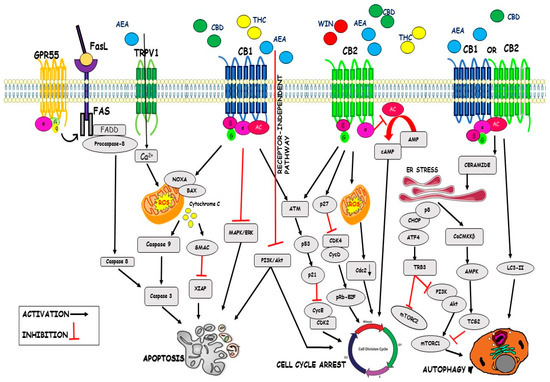
In this article, we review the classification of cannabinoids, the molecular mechanisms of their interaction with animal cells as well as their potential application in the treatment of human diseases. Specifically, we focus on the research concerning the anticancer potential of cannabinoids in preclinical studies, their possible use in cancer treatment and palliative medicine, as well as their influence on the immune system. We also discuss their potential as therapeutic agents in infectious, autoimmune, and gastrointestinal inflammatory diseases.

We postulate that the currently ongoing and future clinical trials should be accompanied by research focused on the cellular and molecular response to cannabinoids and Cannabis extracts, which will ultimately allow us to fully understand the mechanism, potency, and safety profile of cannabinoids as single agents and as complementary drugs.”

https://pubmed.ncbi.nlm.nih.gov/33383838/

“Additionally, much evidence from pre-clinical and clinical studies has been gathered over the last decade, suggesting that multiple substances produced by Cannabis plants have a therapeutic potential, including anticancer properties.”

https://www.mdpi.com/1422-0067/22/1/263/htm

(Endo)Cannabinoids and Gynaecological Cancers

cancers-logo“Gynaecological cancers can be primary neoplasms, originating either from the reproductive tract or the products of conception, or secondary neoplasms, representative of metastatic disease. For some of these cancers, the exact causes are unknown; however, it is recognised that the precise aetiopathogeneses for most are multifactorial and include exogenous (such as diet) and endogenous factors (such as genetic predisposition), which mutually interact in a complex manner.

One factor that has been recognised to be involved in the pathogenesis and progression of gynaecological cancers is the endocannabinoid system (ECS). The ECS consists of endocannabinoids (bioactive lipids), their receptors, and metabolic enzymes responsible for their synthesis and degradation. In this review, the impact of plant-derived (Cannabis species) cannabinoids and endocannabinoids on gynaecological cancers will be discussed within the context of the complexity of the proteins that bind, transport, and metabolise these compounds in reproductive and other tissues. In particular, the potential of endocannabinoids, their receptors, and metabolic enzymes as biomarkers of specific cancers, such as those of the endometrium, will be addressed. Additionally, the therapeutic potential of targeting selected elements of the ECS as new action points for the development of innovative drugs will be presented.”

https://pubmed.ncbi.nlm.nih.gov/33375539/

“Cancers of the female reproductive system are common and are responsible for a large number of deaths in women. The exact reasons why some of these cancers occur are unknown. It is, however, known that for most of these cancers, several factors interact for them to happen. These interactions involve factors external and internal to the woman. An understanding of some of the internal factors involved in how these cancers arise will not only help drive preventive strategies, but will speed the development of new treatment approaches.

The endocannabinoid system is a family including chemicals (known as endocannabinoids) produced in the body that are similar to those derived from the cannabis plant. This system, which is widely distributed in the body, has been shown to be involved in various functions. Its disruption has been shown to lead to various diseases, one of which is cancer. In this review, we summarise current knowledge of this system, its various constituents, and how they are involved in reproductive events and their pathologies, especially cancers. Furthermore, we discuss the role of the endocannabinoid system in these cancers and how targeting it could lead to new approaches to diagnosis and treatment of cancers of the female reproductive system.”

https://www.mdpi.com/2072-6694/13/1/37

Phenolic Compounds Cannabidiol, Curcumin and Quercetin Cause Mitochondrial Dysfunction and Suppress Acute Lymphoblastic Leukemia Cells

ijms-logo“Anticancer activity of different phenols is documented, but underlying mechanisms remain elusive. Recently, we have shown that cannabidiol kills the cells of acute lymphoblastic leukemia (ALL) by a direct interaction with mitochondria, with their consequent dysfunction.

In the present study, cytotoxic effects of several phenolic compounds against human the T-ALL cell line Jurkat were tested by means of resazurin-based metabolic assay. To unravel underlying mechanisms, mitochondrial membrane potential (∆Ψm) and [Ca2+]m measurements were undertaken, and reactive oxygen species generation and cell death were evaluated by flow cytometry.

Three out of eight tested phenolics, cannabidiol, curcumin and quercetin, which displayed a significant cytotoxic effect, also dissipated the ∆Ψm and induced a significant [Ca2+]m increase, whereas inefficient phenols did not.

Dissipation of the ∆Ψm by cannabidiol was prevented by cyclosporine A and reverted by Ru360, inhibitors of the permeation transition pore and mitochondrial Ca2+ uniporter, respectively. Ru360 prevented the phenol-induced [Ca2+]m rise, but neither cyclosporine A nor Ru360 affected the curcumin- and quercetin-induced ∆Ψm depolarization. Ru360 impeded the curcumin- and cannabidiol-induced cell death.

Thus, all three phenols exert their antileukemic activity via mitochondrial Ca2+ overload, whereas curcumin and quercetin suppress the metabolism of leukemic cells by direct mitochondrial uncoupling.”

https://pubmed.ncbi.nlm.nih.gov/33379175/

https://www.mdpi.com/1422-0067/22/1/204

Effects of standardized Cannabis sativa extract and ionizing radiation in melanoma cells in vitro

Journal of Cancer Research and Therapeutics “Melanoma causes the highest number of skin cancer-related deaths worldwide. New treatment methods are essential for the management of this life-threatening disease.

Aims: In this study, we investigated the efficacy of a standardized Cannabis sativa extract alone or in combination with single radiation dose (6 Gy) in B16F10 mouse melanoma cells in an extract dose-dependent manner.

Results: Administration of the extract alone or alongside radiation substantially inhibited melanoma cell viability and proliferation in the extract dose response-dependent manner. The inhibition of melanoma cell viability was paralleled by an increase in necrosis but not apoptosis when melanoma cells were treated with the extract alone. Radiation alone did not have any antiproliferative effects, and radiation also did not synergize antiproliferative effects of the extract when the extract and radiation were combined.

Conclusion: Our data suggest that C. sativa extract may have significant health and physiological implications for the treatment of melanoma. The results of this study also indicate that B16F10 mouse melanoma cells are radioresistant. Taken together, these findings may lead to the identification of new therapeutic strategy for the management of melanoma.”

https://pubmed.ncbi.nlm.nih.gov/33342819/

“This study provides the first evidence of antitumor effects of C. sativa extract, when administered alone or in combination with radiation, to mouse melanoma cells in vitro. Our results may verify the value of C. sativa extract for the treatment of melanoma and may complement the therapeutic profile of C. sativa extracts administration in the future.”

https://www.cancerjournal.net/article.asp?issn=0973-1482;year=2020;volume=16;issue=6;spage=1495;epage=1499;aulast=Naderi

Short-Term Medical Cannabis Treatment Regimens Produced Beneficial Effects among Palliative Cancer Patients

pharmaceuticals-logo“In the last decade the use of medical cannabis (MC) for palliative cancer treatment has risen. However, the choice between products is arbitrary and most patients are using Tetrahydrocannabinol (THC)-dominant cannabis products.

In this study, we aimed to assess the short-term outcomes of MC treatment prescribed by oncologists in relation to the type of cannabis they receive.

A comparative analysis was used to assess the differences in treatment effectiveness and safety between THC-dominant (n = 56, 52%), cannabidiol (CBD)-dominant (n = 19, 18%), and mixed (n = 33, 30%) MC treatments. Oncology patients (n = 108) reported on multiple symptoms in baseline questionnaires, initiated MC treatment, and completed a one-month follow-up.

Most parameters improved significantly from baseline, including pain intensity, affective and sensory pain, sleep quality and duration, cancer distress, and both physical and psychological symptom burden. There was no significant difference between the three MC treatments in the MC-related safety profile. Generally, there were no differences between the three MC treatments in pain intensity and in most secondary outcomes.

Unexpectedly, CBD-dominant oil treatments were similar to THC-dominant treatments in their beneficial effects for most secondary outcomes. THC-dominant treatments showed significant superiority in their beneficial effect only in sleep duration compared to CBD-dominant treatments.

This work provides evidence that, though patients usually consume THC-dominant products, caregivers should also consider CBD-dominant products as a useful treatment for cancer-related symptoms.”

https://pubmed.ncbi.nlm.nih.gov/33265945/

https://www.mdpi.com/1424-8247/13/12/435

The Immune Endocannabinoid System of the Tumor Microenvironment

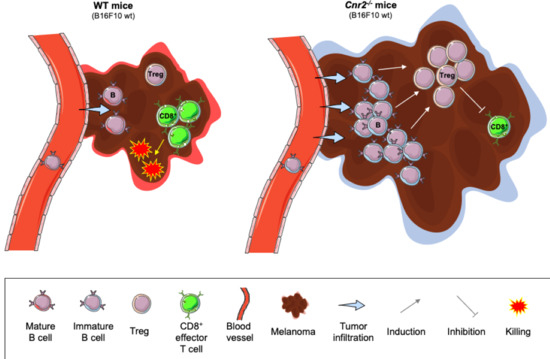
ijms-logo“Leukocytes are part of the tumor microenvironment (TME) and are critical determinants of tumor progression. Because of the immunoregulatory properties of cannabinoids, the endocannabinoid system (ECS) may have an important role in shaping the TME.

Members of the ECS, an entity that consists of cannabinoid receptors, endocannabinoids and their synthesizing/degrading enzymes, have been associated with both tumor growth and rejection. Immune cells express cannabinoid receptors and produce endocannabinoids, thereby forming an “immune endocannabinoid system”. Although in vitro effects of exogenous cannabinoids on immune cells are well described, the role of the ECS in the TME, and hence in tumor development and immunotherapy, is still elusive.

This review/opinion discusses the possibility that the “immune endocannabinoid system” can fundamentally influence tumor progression. The widespread influence of cannabinoids on immune cell functions makes the members of the ECS an interesting target that could support immunotherapy.”

https://pubmed.ncbi.nlm.nih.gov/33255584/

“Anti-tumour actions of cannabinoids.” https://www.ncbi.nlm.nih.gov/pubmed/30019449

https://www.mdpi.com/1422-0067/21/23/8929

The effect of cannabidiol on canine neoplastic cell proliferation and MAP Kinase activation during autophagy and apoptosis

“Low tetrahydrocannabinol Cannabis sativa products, also known as hemp products, have become widely available and their use in veterinary patients has become increasingly popular. Despite prevalence of use, the veterinary literature is lacking and evidence-based resource for cannabinoid efficacy.

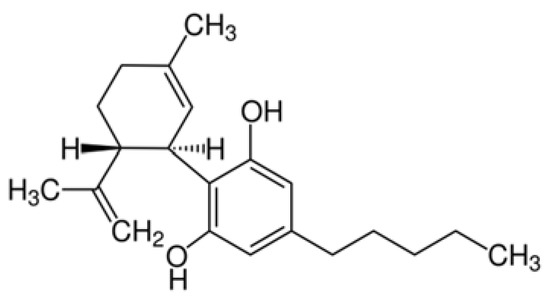
The most prevailing cannabinoid found in hemp is cannabidiolic acid (CBDA) and becomes cannabidiol (CBD) during heat extraction; CBD has been studied for its direct anti-neoplastic properties alone and in combination with standard cancer therapies, yielding encouraging results.

The objectives of our study were to explore the anti-proliferative and cell death response associated with in vitro treatment of canine cancer cell lines with CBD alone and combination with common chemotherapeutics, as well as investigation into major proliferative pathways (e.g. p38, JNK, AKT, mTOR) potentially involved in the response to treatment with CBD.

CBD significantly reduced canine cancer cell proliferation far better than cannabidiolic acid (CBDA) across five canine neoplastic cell lines when treated with concentrations ranging from 2.5-10 μg/mL. Combinatory treatment with CBD and vincristine reduced cell proliferation in a synergistic or additive manner at anti-proliferative concentrations with less clear results using doxorubicin in combination with CBD. The cellular signaling effects of CBD treatment, showed that autophagy supervened induction of apoptosis and may be related to prompt induction of ERK and JNK phosphorylation prior to autophagy.

In conclusion, CBD is effective at hindering cell proliferation and induction of autophagy and apoptosis rapidly across neoplastic cell lines and further clinical trials are needed to understand its efficacy and interactions with traditional chemotherapy.”

https://pubmed.ncbi.nlm.nih.gov/33247539/

https://onlinelibrary.wiley.com/doi/10.1111/vco.12669

Cannabis and its Constituents for Cancer: History, Biogenesis, Chemistry and Pharmacological Activities

Pharmacological Research “Cannabis has long been used for healing and recreation in several regions of the world. Over 400 bioactive constituents, including more than 100 phytocannabinoids, have been isolated from this plant. The non-psychoactive cannabidiol (CBD) and the psychoactive Δ9-tetrahydrocannabinol (Δ9-THC) are the major and widely studied constituents from this plant.

Cannabinoids exert their effects through the endocannabinoid system (ECS) that comprises cannabinoid receptors (CB1, CB2), endogenous ligands, and metabolizing enzymes. Several preclinical studies have demonstrated the potential of cannabinoids against leukemia, lymphoma, glioblastoma, and cancers of the breast, colorectum, pancreas, cervix and prostate.

Cannabis and its constituents can modulate multiple cancer related pathways such as PKB, AMPK, CAMKK-β, mTOR, PDHK, HIF-1α, and PPAR-γ. Cannabinoids can block cell growth, progression of cell cycle and induce apoptosis selectively in tumour cells. Cannabinoids can also enhance the efficacy of cancer therapeutics. These compounds have been used for the management of anorexia, queasiness, and pain in cancer patients.

Cannabinoid based products such as dronabinol, nabilone, nabiximols, and epidyolex are now approved for medical use in cancer patients. Cannabinoids are reported to produce a favourable safety profile. However, psychoactive properties and poor bioavailability limit the use of some cannabinoids. The Academic Institutions across the globe are offering training courses on cannabis. How cannabis and its constituents exert anticancer activities is discussed in this article. We also discuss areas that require attention and more extensive research.”

https://pubmed.ncbi.nlm.nih.gov/33246167/

https://www.sciencedirect.com/science/article/abs/pii/S1043661820316108?via%3Dihub

Cannabidiol enhances cytotoxicity of anti-cancer drugs in human head and neck squamous cell carcinoma

 Scientific Reports“Cannabidiol (CBD) has anti-tumorigenic activity. However, the anti-cancer effect of CBD on head and neck squamous cell carcinoma (HNSCC) remains unclear. The cytotoxicity of CBD on HNSCC was analyzed using cell survival and colony-forming assays in vitro.

CBD treatment significantly reduced migration/invasion and viability of HNSCC cells in a dose- and time-dependent manner. HNSCC mouse xenograft models revealed anti-tumor effects of CBD. Furthermore, combinational treatment with CBD enhanced the efficacy of chemotherapy drugs.

We identified CBD as a new potential anti-cancer compound for single or combination therapy of HNSCC.”

https://pubmed.ncbi.nlm.nih.gov/33244087/

In conclusion, our study determined the anti-tumorigenic potential of CBD. In addition, single treatment of CBD or co-treatment with chemotherapeutic agents promoted HNSCC cell death along with apoptosis and autophagy processes. Therefore, our study suggests that CBD can be an excellent therapeutic agent against HNSCC. Cannabidiol (CBD) is one of the components in the Cannabis sativa L. (marijuana) family of plants.”

https://www.nature.com/articles/s41598-020-77674-y

Prescribed medical cannabis in women with gynecologic malignancies: A single-institution survey-based study

Gynecologic Oncology Reports “Research within a gynecologic oncology population has lagged behind the uptake in use of medical cannabis for symptom control. This study seeks to evaluate patient experience with prescribed medical cannabis obtained through licensed dispensaries in women with gynecologic malignancies.

A 43-item survey exploring patient experience with medical cannabis was administered to women with gynecologic malignancies who used medical cannabis prescribed by a gynecologic oncologist. Thirty-six eligible patients were approached for consent, and 31 patients returned completed surveys (86%). Ninety-three percent had advanced or recurrent disease; 74% were receiving chemotherapy or immunotherapy.

Eighty-three percent reported medical cannabis provided relief from cancer or treatment-related symptoms including decreased appetite (41%), insomnia (41%), neuropathy (41%), anxiety (35%), nausea (29%), joint pain (29%), bone pain (29%), abdominal pain (25%), and depression (19%). Eighty percent of patients reported medical cannabis worked the same or better than other traditional medications for management of their cancer or treatment-related symptoms, and 83% reported medical cannabis had an equivalent or better side effect profile.

Of the subset of patients using medical cannabis for pain, 63% reported a reduction in opioid use. Patients perceive that medical cannabis was useful for relief of cancer and treatment-related symptoms, suggesting medical cannabis may be a reasonable alternative or adjunct therapy. Medical cannabis was well tolerated and may have the potential to improve neuropathic pain and decrease opioid use.”

https://pubmed.ncbi.nlm.nih.gov/33204797/

“Patients with gynecologic malignancies perceive medical cannabis relieves multiple cancer-related symptoms. Medical cannabis is well-tolerated and perceived to have a favorable side effect profile. Patients using medical cannabis for pain control report an associated reduction in opioid use.”

https://www.sciencedirect.com/science/article/pii/S2352578920301338?via%3Dihub