 “Background/objectives: Use of cannabis is increasing in a variety of populations in the United States; however, few investigations about how and for what reasons cannabis is used in older populations exist.
Design: Anonymous survey.
Setting: Geriatrics clinic.
Participants: A total of 568 adults 65 years and older.
Intervention: Not applicable.
Measurements: Survey assessing characteristics of cannabis use.
Results: Approximately 15% (N = 83) of survey responders reported using cannabis within the past 3 years. Half (53%) reported using cannabis regularly on a daily or weekly basis, and reported using cannabidiol-only products (46%).
The majority (78%) used cannabis for medical purposes only, with the most common targeted conditions/symptoms being pain/arthritis (73%), sleep disturbance (29%), anxiety (24%), and depression (17%). Just over three-quarters reported cannabis “somewhat” or “extremely” helpful in managing one of these conditions, with few adverse effects.
Just over half obtained cannabis via a dispensary, and lotions (35%), tinctures (35%), and smoking (30%) were the most common administration forms. Most indicated family members (94%) knew about their cannabis use, about half reported their friends knew, and 41% reported their healthcare provider knowing. Sixty-one percent used cannabis for the first time as older adults (aged ≥61 years), and these users overall engaged in less risky use patterns (e.g., more likely to use for medical purposes, less likely to consume via smoking).
Conclusion: Most older adults in the sample initiated cannabis use after the age of 60 years and used it primarily for medical purposes to treat pain, sleep disturbance, anxiety, and/or depression. Cannabis use by older adults is likely to increase due to medical need, favorable legalization, and attitudes.”
https://pubmed.ncbi.nlm.nih.gov/33026117/
https://onlinelibrary.wiley.com/doi/10.1111/jgs.16833
“Study Finds Older Adults Using Cannabis to Treat Common Health Conditions” https://health.ucsd.edu/news/releases/Pages/2020-10-07-study-finds-older-adults-using-cannabis-to-treat-common-health-conditions.aspx

 “Anxiety disorders in young people are frequently comorbid with other mental disorders and respond unsatisfactorily to first-line treatment in many cases.
 “Scientific research on how consumption of whole, natural Cannabis flower affects low mood and behavioral motivations more generally is largely nonexistent, and few studies to date have measured how common and commercially available Cannabis flower used in vivo may affect the experience of “depression” in real-time.
 “The worldwide prevalence of neurological and neurodegenerative disorders, such as depression or Alzheimer’s disease, has spread extensively throughout the last decades, becoming an enormous health issue.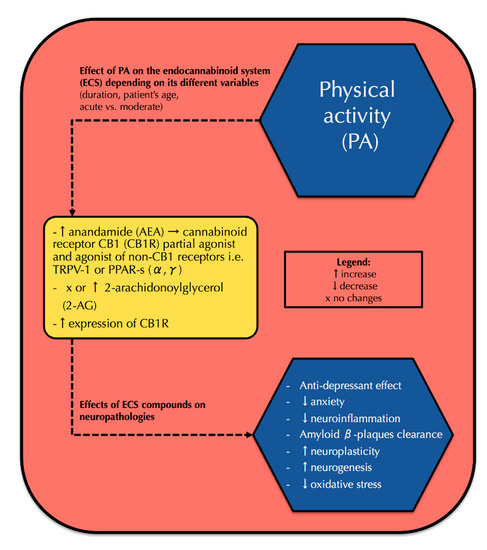
 “Several neuropharmacological actions of cannabidiol (CBD) due to the modulation of the endocannabinoid system as well as direct serotonergic and gamma-aminobutyric acidergic actions have recently been identified.
 “The prevalence rates of depression and anxiety are at least two times higher in diabetic patients, increasing morbidity and mortality.

