

“Rapidly increasing worldwide prevalence of obesity and related pathologies encompassing coronary heart disease, hypertension, metabolic syndrome, or type 2 diabetes constitute serious threats to global health and are associated with a significantly elevated risk of premature death. Considering the enormous burden of these pathologies, novel therapeutic and preventive patterns are indispensable.
Dysregulation of one of the most complex biological systems in the human body namely, the endocannabinoid system (ECS) may result in metabolic imbalance and development of insulin resistance, type 2 diabetes, or non-alcoholic fatty liver disease. Furthermore, many studies showed that physical exercises, depending on their type, intensity, and frequency, exert various alterations within the ECS.
Emerging evidence suggests that targeting the ECS via physical activity may produce robust beneficial effects on the course of metabolic pathologies. However, the data showing a direct correlation between the ECS and physical activity in the aspect of metabolic health are very scarce. Therefore, the aim of this review was to provide the most up-to-date state of knowledge about the interplay between the ECS activity and physical exercises in the novel therapeutic and preventive approach toward metabolic pathologies.
We believe that this paper, at least in part, will fulfill the existing gap in knowledge and encourage researchers to further explore this very complex yet interesting link between the ECS, its action in physical activity, and subsequent positive outcomes for metabolic health.”
https://pubmed.ncbi.nlm.nih.gov/35328503/
“To the best of our knowledge, this is the first review directly and comprehensively discussing the uncharted link between physical activity and its influence on the endocannabinoid signaling in the aspect of beneficial effects in the management of metabolic disorders. Considering the very alarming worldwide prevalence of these diseases as well as the unexplored potential of the topic, we believe that this paper, at least in part, will encourage researchers toward investigating this interesting, yet very complicated interplay. ECS and physical activity constitute robust and valuable therapeutic and preventive approaches that may significantly contribute to the decreased socioeconomic burden and the reduced annual number of patients suffering from obesity and other metabolic disorders. The future investigation should primarily encompass further discovery of the link between physical activity, alterations within endocannabinoid signaling and subsequently improved metabolic status of overweight, obese, and diabetic individuals.”
https://www.mdpi.com/1422-0067/23/6/3083/htm
“Exercise activates the endocannabinoid system”
https://pubmed.ncbi.nlm.nih.gov/14625449/


 “The Endocannabinoid System (ECS) is primarily responsible for maintaining homeostasis, a balance in internal environment (temperature, mood, and immune system) and energy input and output in living, biological systems.
  “Obesity-related insulin resistance (IR) and attenuated brain insulin signaling are significant risk factors for neurodegenerative disorders, e.g., Alzheimer’s disease. IR and type 2 diabetes correlate with an increased concentration of sphingolipids, a class of lipids that play an essential structural role in cellular membranes and cell signaling pathways.
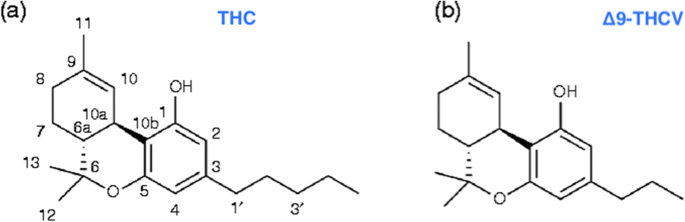 “Δ9-Tetrahydrocannabivarin (THCV) is a cannabis-derived compound with unique properties that set it apart from the more common cannabinoids, such as Δ9-tetrahydrocannabinol (THC). The main advantage of THCV over THC is the lack of psychoactive effects.
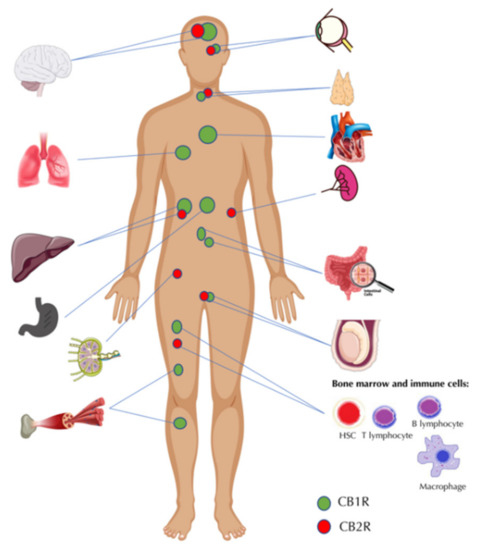
  “In humans, various sites like cannabinoid receptors (CBR) having a binding affinity with cannabinoids are distributed on the surface of different cell types, where endocannabinoids (ECs) and derivatives of fatty acid can bind. The binding of these substance(s) triggers the activation of specific receptors required for various physiological functions, including pain sensation, memory, and appetite.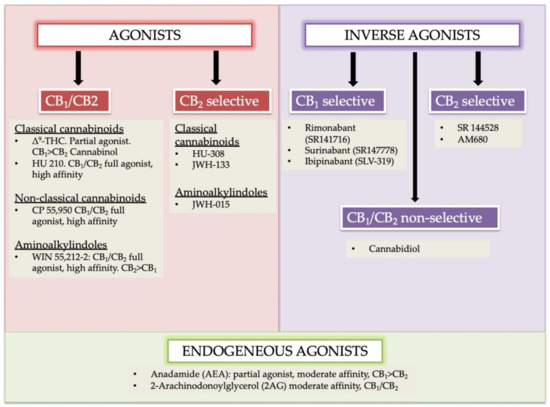
 “(E)-β-caryophyllene (BCP) is a bicyclic sesquiterpene widely distributed in the plant kingdom, where it contributes a unique aroma to essential oils and has a pivotal role in the survival and evolution of higher plants.
 “The endocannabinoid system (ECS) is natural physiological system in the humans. The presence of the ECS system involves different roles in body. The endocannabinoid system involves regulation of most of the centers, which regulates the hunger and leads to changes in the weight.