

“Objective: We report our findings regarding effectiveness, safety, and tolerability of cannabidiol (CBD)-enriched medical cannabis as add-on therapy in children with drug-resistant epileptic encephalopathies (DEEs) after a median follow-up of 20 months.
Methods: A prospective cohort study was conducted to assess effectiveness, safety, and tolerability of CBD-enriched medical cannabis oil added to standard antiseizure medications in children with drug-resistant DEE seen at a single center.
Results: Between October 2018 and March 2020, 59 patients were enrolled. Mean age at enrollment was 10.5 years (range, 2-17 years). Median treatment duration was 20 months (range, 12-32). Median age at first seizure was 8 months (range, 1 day – 10 years). At the end of follow-up, 78% of the children had a ≥ 50% decrease in seizure frequency and 47.5% had a > 75% decrease. Seven patients (11.9%) were seizure free. The number of seizures was reduced from a median of 305/month to 90/month, amounting to a mean reduction of 57% and a median reduction of 71% (p < 0.0001). Adverse effects were mostly mild or moderate. CBD was discontinued in 17 patients (28.8%) due to lack of response to treatment, increased seizure frequency, intolerance to the drug, or poor compliance.
Conclusion: In children with drug-resistant DEEs, long-term treatment of CBD-enriched medical cannabis as an adjuvant therapy to antiseizure therapy was found to be safe, well tolerated, and effective. Sustained reductions in seizure frequency and improvement of aspects of daily living were observed compared to our preliminary findings.”
https://pubmed.ncbi.nlm.nih.gov/34999381/
- “•Long-term use of CBD-enriched medical cannabis as add-on treatment seems safe and effective in DEE.
- •The drug was well tolerated and had a positive impact on aspects of daily living.
- •Good results were found in patients with LGS and DS, as well as those with DEEs other than LGS and DS.
- •No tolerance to CBD-enriched medical cannabis was observed in any of the children.”
https://www.seizure-journal.com/article/S1059-1311(22)00001-2/fulltext

 “Cannabinoids reduce tremor associated with motor disorders induced by injuries and neurodegenerative disease. Here we show that this effect is mediated by cannabinoid receptors on astrocytes in the ventral horn of the spinal cord, where alternating limb movements are initiated. We first demonstrate that tremor is reduced in a mouse model of essential tremor after intrathecal injection of the cannabinoid analog WIN55,212-2. We investigate the underlying mechanism using electrophysiological recordings in spinal cord slices and show that endocannabinoids released from depolarized interneurons activate astrocytic cannabinoid receptors, causing an increase in intracellular Ca2+, subsequent release of purines and inhibition of excitatory neurotransmission. Finally, we show that the anti-tremor action of WIN55,212-2 in the spinal cords of mice is suppressed after knocking out CB1 receptors in astrocytes. Our data suggest that cannabinoids reduce tremor via their action on spinal astrocytes.”
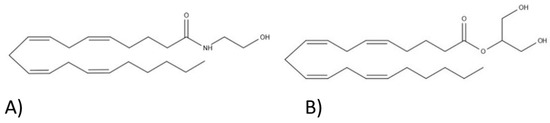
 “The Endocannabinoid System (ECS) is primarily responsible for maintaining homeostasis, a balance in internal environment (temperature, mood, and immune system) and energy input and output in living, biological systems.
  “Background and purpose:
 “The Cannabis sativa plant has been used medicinally and recreationally for thousands of years, but recently only relatively some of its constituents have been identified.
  “Evidence on the use and efficacy of medical cannabis for children is limited. We examined clinical and epidemiological characteristics of medical cannabis treatment and caregiver-reported effects in children and adolescents in Switzerland.