

“Rapidly increasing worldwide prevalence of obesity and related pathologies encompassing coronary heart disease, hypertension, metabolic syndrome, or type 2 diabetes constitute serious threats to global health and are associated with a significantly elevated risk of premature death. Considering the enormous burden of these pathologies, novel therapeutic and preventive patterns are indispensable.
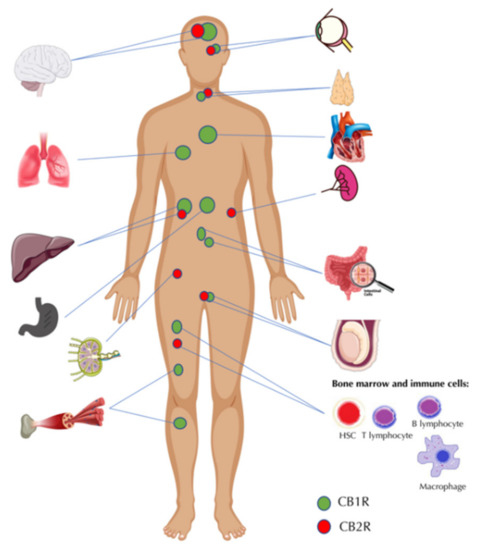
Dysregulation of one of the most complex biological systems in the human body namely, the endocannabinoid system (ECS) may result in metabolic imbalance and development of insulin resistance, type 2 diabetes, or non-alcoholic fatty liver disease. Furthermore, many studies showed that physical exercises, depending on their type, intensity, and frequency, exert various alterations within the ECS.
Emerging evidence suggests that targeting the ECS via physical activity may produce robust beneficial effects on the course of metabolic pathologies. However, the data showing a direct correlation between the ECS and physical activity in the aspect of metabolic health are very scarce. Therefore, the aim of this review was to provide the most up-to-date state of knowledge about the interplay between the ECS activity and physical exercises in the novel therapeutic and preventive approach toward metabolic pathologies.
We believe that this paper, at least in part, will fulfill the existing gap in knowledge and encourage researchers to further explore this very complex yet interesting link between the ECS, its action in physical activity, and subsequent positive outcomes for metabolic health.”
https://pubmed.ncbi.nlm.nih.gov/35328503/
“To the best of our knowledge, this is the first review directly and comprehensively discussing the uncharted link between physical activity and its influence on the endocannabinoid signaling in the aspect of beneficial effects in the management of metabolic disorders. Considering the very alarming worldwide prevalence of these diseases as well as the unexplored potential of the topic, we believe that this paper, at least in part, will encourage researchers toward investigating this interesting, yet very complicated interplay. ECS and physical activity constitute robust and valuable therapeutic and preventive approaches that may significantly contribute to the decreased socioeconomic burden and the reduced annual number of patients suffering from obesity and other metabolic disorders. The future investigation should primarily encompass further discovery of the link between physical activity, alterations within endocannabinoid signaling and subsequently improved metabolic status of overweight, obese, and diabetic individuals.”
https://www.mdpi.com/1422-0067/23/6/3083/htm
“Exercise activates the endocannabinoid system”
https://pubmed.ncbi.nlm.nih.gov/14625449/



 “Purpose:
 “Chronic hepatitis B virus (HBV) infection may evolve into cirrhosis and hepatocellular carcinoma, and this progression may be accelerated by specific risk factors, including overweight and obesity. Although evidence for a protective effect of cannabis use on elevated body weight has been found for other populations, no data are available for HBV-infected patients.
  “The liver is a key metabolic organ that is particularly sensitive to environmental factors, including UV radiation. As UV radiation induces oxidative stress and inflammation, natural compounds are under investigation as one method to counteract these consequences.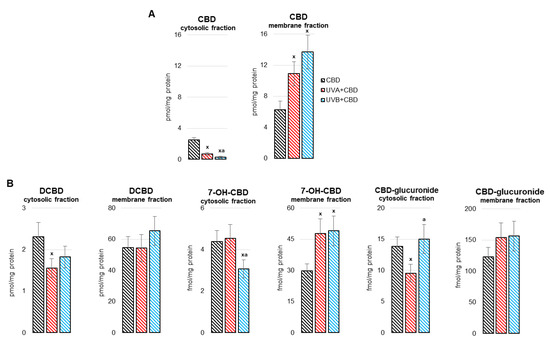
 “Introduction and objectives: Previous studies reveal conflicting data on the effect of cannabis use in patients with cirrhosis. This research evaluates the impact of cannabis on hepatic decompensation, health care utilization, and mortality in patients with cirrhosis.