“Current evidence suggests that cannabinoids are safe with minimal side effects and are effective in managing chronic pain. Data also show that medical marijuana (MM) may improve quality of life (QoL) among patients. However, there are little data showing the health-related QoL (HRQoL) benefit in MM patients using it for pain. The purpose of this study was to determine if there is a relationship between HRQol and MM use in patients using it to relieve pain.
Results
1,762 people responded to the screening request, and 1,393 (79%) met screening criteria. Of those, 353 (25.3%) agreed to participate and 51% completed all 4 surveys, for a final sample of 181 with 85 male and 95 female and one nonbinary subject. The average age was 41.21 (SD = 12.9) years, with no difference between genders. The adjusted HRQoL score improved from 0.722 to 0.747 (p = 0.011) from survey 2 to survey 4, as did the self-reported pain and health scores. The EQ-5D subscales revealed no change in mobility or usual activities, significant improvement in anxiety and pain, and a significant worsening in self-care.
Conclusion
The results show a significant improvement in HRQoL among patients using MM for pain. The EQ-5D subscales validated the pain improvement and also showed an improvement in anxiety. However, the decline in the self-care subscale may have tempered the overall improvement in HRQoL, and further research into which aspects of self-care are impacted by MM use in this population is warranted. Overall, there is a positive relationship between MM use and HRQoL in patients using it for pain.”
 “Background:
  “In response to the need of more rigorous data on medical cannabis and chronic pain, we conducted a 3-month prospective study incorporating ecological momentary assessment (EMA) to examine the effects of medical cannabis on pain, anxiety/depression, sleep, and quality of life.
 “Pain prevalence among adults in the United States has increased 25% over the past two decades, resulting in high health-care costs and impacts to patient quality of life. In the last 30 years, our understanding of pain circuits and (intra)cellular mechanisms has grown exponentially, but this understanding has not yet resulted in improved therapies. Options for pain management are limited. Many analgesics have poor efficacy and are accompanied by severe side effects such as addiction, resulting in a devastating opioid abuse and overdose epidemic. These problems have encouraged scientists to identify novel molecular targets and develop alternative pain therapeutics.
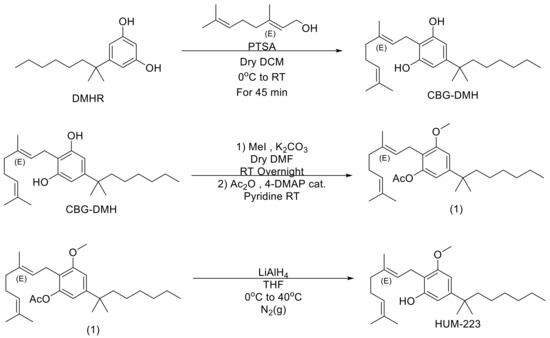
 “Interest in CBG (cannabigerol) has been growing in the past few years, due to its anti-inflammatory properties and other therapeutic benefits.