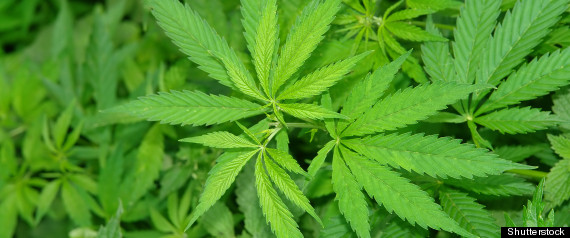
Ole Miss cooks up marijuana pain patch

“(WMC-TV) – Ole Miss is home to the only legally grown marijuana crop in the nation and a new development there is creating quite a buzz. Faculty and student researchers say they created a new pain reliever in the form of a patch.

Dr. Mahmoud Elsohly is a faculty member at the School of Pharmacy at Ole Miss. He and his team have been working inside their marijuana research lab for nearly seven years to find alternative uses for THC, which is the main psychoactive ingredient in marijuana.

“The plant itself has a great potential for good medicine coming out of the Cannabis plant…”

More: http://www.14news.com/story/21217891/a-look-ahead-ole-miss-cooks-up-marijuana-pain-patch

Cannabis could provide relief for Parkinson’s pain

Woman smokes a marijuana cigarette [illustrative]

“As many as eight out of every 10 of those with Parkinson’s disease suffer from inexplicable pains that until now have been left untreated because they were thought to be an inevitable part of the progressive and eventually fatal neurological disease. Parkinson’s, a brain disorder that leads to tremors and difficulty with walking, coordination and movement, usually develops after age 50 and is one of the most common nervous system disorders of the elderly.But new research at the Rabin Medical Center- Beilinson Campus has found that genetic factors explain such Parkinson’s pain, and that the new understanding will make unique treatments possible. Eight genes known to be involved in pain were examined in 237 Parkinson’s patients, according to a research paper published recently in the European Journal of Pain, and the observed variations were connected to functions of cannabis-like substances (cannabinoids) in the brain.

Research project head Prof. Ruth Djaldetti, a senior physician in the neurology department and head of the movement disorders clinic, said that the results support the treatment of Parkinson’s patients with medical marijuana.

Djaldetti encourages more research into the use of cannabis for pain relief.

There are some 20,000 people with Parkinson’s in Israel, and about 50 percent to 80% of them suffer from this previously unexplained and untreated pain. Djaldetti expects that in the future, gene mapping will make it possible to suit personalized medication to these patients.”


Cannabis compound can help cells

“Cannabis has been used recreationally and for medicinal purposes for centuries, yet its 60 plus active components are only partly understood. Now scientists have discovered how a compound in cannabis can help cells to function in our bodies, and aid recovery after a damaging event.

In a paper published in the Journal of Neuroscience, the researchers report on their studies into cannabidiol – a naturally occurring molecule found in cannabis.

Also known as CBD, it is not the constituent that gives the high – that compound is called tetrahydrocannabinol or THC – and so may be more acceptable as a drug treatment.

Both compounds are currently used in a pharmaceutical medicine to help patients relieve pain and other symptoms of Multiple Sclerosis.

Now researchers have discovered how CBD actually works within brain cells.

By interacting with mitochondria – which are the power generators of all cells – it can help maintain normal levels of calcium allowing cells to function properly and providing a greater resistance to damage.

Disturbance of calcium levels has long been associated with a number of brain disorders. So the finding could have implications for the development of new treatments for disorders related to malfunctioning mitochondria.

Dr Bettina Platt, from the University’s School of Medical Sciences, said: “Scientists have known for a long time that cannabidiol can help with pain relief but we never really knew how it worked.

“However we have discovered what it actually does at the cellular level.

“We are hoping that our findings can instruct the development of cannabidiol based treatments for disorders related to mitochondrial dysfunction such as Parkinson’s disease or Huntington’s disease.”

More: http://phys.org/news154280470.html

Israeli Study Finds Patients with Chronic Disease Benefit from Marijuana

“A new study out of Israel looks to change that. Led by Zach Klein, a specialist in medical marijuana policy and the director of the documentary Prescribed Grass, researchers at Tel Aviv University tested medical marijuana on 19 nursing home residents. Patients were treated with cannabis in the form of powder, oil, vapor, or smoke three times daily over the course of a year.

 Seventeen of the 19 patients regained lost weight, and symptoms of pain, stiffness, tremors, insomnia, and PTSD decreased drastically. Their moods and communication skills also improved, and they had fewer nightmares and flashbacks, according to Klein.

“After I found this, everything has been better,” Moshe Rute, a Holocaust survivor stricken by nightmares and the effects of a stroke told the Times of Israel. “I’m still a Holocaust child, but I’m finally able to better cope.”

The 80-year-old Hadarim resident is one of 11,000 Israelis with permits from the government to use marijuana for medical purposes, a number that is growing rapidly.

“This is just the tip of the iceberg. It’s the future,” Klein said to the Times. “This is God’s doing, and it’s marvelous in our eyes.”

Perhaps as important as the improvement in pain management and quality of life was marijuana’s ability to replace some of the medication taken by the patients. By the end of the study, 72 percent were able to reduce the number of drugs they were taking daily. This includes medication for Parkinson’s disease, pain relievers, antipsychotics, and mood stabilizers, many of which can have debilitating and severe side effects.

“We know how to extend life, but sometimes it’s not pleasant and can cause a great deal of suffering, so we’re looking to alleviate this, to add quality to longevity,” head nurse Inbal Sikorin told the Times. “Cannabis meets this need. Almost all our patients are eating again, and their moods have improved tremendously.”

The country that discovered tetrahydrocannabinol (THC) the psychoactive ingredient in cannabis, in the 1960’s doesn’t have the stigma attached to marijuana that the United States does, as even senior rabbis have no qualms with its use or spread.

Klein is working on a new study at Israel’s Reuth Medical Center, in which he hopes to establish a connection between medical cannabis and improved swallowing. One of the biggest concerns with chronically ill patients is food intake, and Klein believes that cannabis, which can stimulate regions of the brain associated with swallowing reflexes, will have a positive impact.”

http://americannewsreport.com/nationalpainreport/israeli-study-finds-patients-with-chronic-disease-benefit-from-marijuana-8818444.html

The pharmacologic and clinical effects of medical cannabis.

“Cannabis, or marijuana, has been used for medicinal purposes for many years. Several types of cannabinoid medicines are available in the United States and Canada. Dronabinol (schedule III), nabilone (schedule II), and nabiximols (not U.S. Food and Drug Administration approved) are cannabis-derived pharmaceuticals.

Medical cannabis or medical marijuana, a leafy plant cultivated for the production of its leaves and flowering tops, is a schedule I drug, but patients obtain it through cannabis dispensaries and statewide programs. The effect that cannabinoid compounds have on the cannabinoid receptors (CB(1) and CB(2) ) found in the brain can create varying pharmacologic responses based on formulation and patient characteristics. The cannabinoid Δ(9) -tetrahydrocannabinol has been determined to have the primary psychoactive effects; the effects of several other key cannabinoid compounds have yet to be fully elucidated. Dronabinol and nabilone are indicated for the treatment of nausea and vomiting associated with cancer chemotherapy and of anorexia associated with weight loss in patients with acquired immune deficiency syndrome. However, pain and muscle spasms are the most common reasons that medical cannabis is being recommended.

Studies of medical cannabis show significant improvement in various types of pain and muscle spasticity. Reported adverse effects are typically not serious, with the most common being dizziness. Safety concerns regarding cannabis include the increased risk of developing schizophrenia with adolescent use, impairments in memory and cognition, accidental pediatric ingestions, and lack of safety packaging for medical cannabis formulations. This article will describe the pharmacology of cannabis, effects of various dosage formulations, therapeutics benefits and risks of cannabis for pain and muscle spasm, and safety concerns of medical cannabis use.”

http://www.ncbi.nlm.nih.gov/pubmed/23386598

Peripheral Cannabinoids Attenuate Carcinoma Induced Nociception in Mice

“Cancer pain remains poorly understood and there are no effective therapies…

 We tested whether a local CBr2 agonist produces antinociception. Our findings suggest that a peripheral CBr2 agonist could provide relief for cancer patients. Cannabinoids also potentiate the analgesic effects of morphine and prevent tolerance.

These desirable effects of cannabinoids show promise for management of cancer pain and may lead to improved analgesic therapy.

These findings support the suggestion that cannabinoids are capable of producing antinociception in carcinoma-induced pain.”

Full text: http://www.ncbi.nlm.nih.gov/pmc/articles/PMC2771220/

Cannabidiol bioavailability after nasal and transdermal application: effect of permeation enhancers.

“The nonpsychoactive cannabinoid, cannabidiol (CBD), has great potential for the treatment of chronic and ‘breakthrough’ pain that may occur in certain conditions like cancer. To fulfill this goal, suitable noninvasive drug delivery systems need to be developed for CBD. Chronic pain relief can be best achieved through the transdermal route, whereas ‘breakthrough’ pain can be best alleviated with intranasal (IN) delivery. Combining IN and transdermal delivery for CBD may serve to provide patient needs-driven treatment in the form of a nonaddictive nonopioid therapy.

CONCLUSION:

The results of this study indicated that CBD could be successfully delivered through the IN and transdermal routes.”

http://www.ncbi.nlm.nih.gov/pubmed/20545522

Cannabidiol Inhibits Growth and Induces Programmed Cell Death in Kaposi Sarcoma–Associated Herpesvirus-Infected Endothelium

“Kaposi sarcoma is the most common neoplasm caused by Kaposi sarcoma–associated herpesvirus (KSHV). Current treatments for Kaposi sarcoma can inhibit tumor growth but are not able to eliminate KSHV from the host. When the host’s immune system weakens, KSHV begins to replicate again, and active tumor growth ensues. New therapeutic approaches are needed.

Cannabidiol (CBD), a plant-derived cannabinoid, exhibits promising antitumor effects without inducing psychoactive side effects. CBD is emerging as a novel therapeutic for various disorders, including cancer.

In this study, we investigated the effects of CBD both on the infection of endothelial cells (ECs) by KSHV and on the growth and apoptosis of KSHV-infected ECs, an in vitro model for the transformation of normal endothelium to Kaposi sarcoma….

Cannabidiol (CBD) was first isolated in 1940. It is a major component of the plant Cannabis sativa, which is also the source of Δ9-tetrahydrocannabinol (Δ9-THC). Due to its multiple biological activities, CBD has been identified as a potential clinical agent. Moreover, CBD affects these activities without the psychoactive side effects that typify Δ9-THC. Recent studies have documented the potential antitumorigenic properties of CBD in the treatment of various neoplasms, including breast cancer, lung cancer, bladder cancer, glioblastoma,and leukemia.CBD induces these effects through a variety of mechanisms and signaling pathways

CBD has been evaluated clinically for the treatment of various conditions, including anxiety, psychosis, and pain. In contrast to other members of the cannabinoid family, CBD has a strong safety profile and induces no psychotropic effects.Therefore, it has become an attractive agent in the search for new anticancer therapies.Our current study demonstrated that CBD preferentially enhanced apoptosis and inhibited the proliferation of KSHV-infected endothelial cells. This selective targeting of KSHV-induced neoplasia suggests that CBD may have a desirable therapeutic index when used to treat cancer. Moreover, a recent study demonstrated that CBD can be delivered effectively by nasal and transdermal routes, which may be particularly valuable for the treatment of Kaposi sarcoma oral or skin lesions.”

Full text: http://www.ncbi.nlm.nih.gov/pmc/articles/PMC3527984/

Doctors utilise marijuana as pain relief

“A pair of scientists at California Pacific Medical Center in San Francisco has found that a compound derived from marijuana could stop metastasis in many kinds of aggressive cancer, potentially altering the fatality of the disease forever.

“It took us about 20 years of research to figure this out, but we are very excited,” said Pierre Desprez, one of the scientists behind the discovery. The finding, which has already undergone both laboratory and animal testing, and is awaiting permission for clinical trials in humans.

Desprez, a molecular biologist, spent decades studying ID-1, the gene that causes cancer to spread. Fellow researcher  Sean McAllister was studying the effects of Cannabidiol, or CBD, a non-toxic, non-psychoactive chemical compound found in the cannabis plant. Finally, the pair collaborated, combining CBD and cells containing high levels of ID-1 in a petri dish.

“What we found was that his Cannabidiol could essentially ‘turn off’ the ID-1,” Desprez told HuffPost. The cells stopped spreading and returned to normal.

“We likely would not have found this on our own,” he added. “That’s why collaboration is so essential to scientific discovery.”

Desprez and McAllister’s findings was first published in 2007. Since then, their team has found that CBD works both in the lab and in animals. And now, they’ve found even more good news.

“We started by researching breast cancer. But now we’ve found that Cannabidiol works with many kinds of aggressive cancers–brain, prostate–any kind in which these high levels of ID-1 are present.”

“We’ve found no toxicity in the animals we’ve tested, and Cannabidiol is already used in humans for a variety of other ailments,” he said. Indeed, the compound is used to relieve anxiety and nausea, and, since it is non-psychoactive, does not cause the “high” associated with THC.

While marijuana advocates will surely praise the discovery, Desprez explained that it’s not so easy as just lighting up. “We used injections in the animal testing and are also testing pills. But you could never get enough Cannabidiol for it to be effective just from smoking.”

Furthermore, the team has started synthesizing the compound in the lab instead of using the plant in an effort to make it more potent.”It’s a common practice. But hopefully it will also keep us clear of any obstacles while seeking approval.””

By Sola Ogundipe

http://www.vanguardngr.com/2013/01/doctors-utilise-marijuana-as-pain-relief/

Marijuana’s Medicinal Value Vindicated Once Again, This Time For The Elderly

Image Credit: Photos.com

Lee Rannals for redOrbit.com – Your Universe Online

“Researchers from Tel Aviv University say that smoking a little marijuana could help provide dramatic relief for the elderly who suffer from a variety of chronic ailments.

The scientists tested the effects of marijuana treatment on 19 residents of the Hadarim nursing home in Israel. During the study, the participants reported dramatic physical results, including healthy weight gain and the reduction of pain and tremors.

According to the study authors, the elderly participants also experienced an immediate improvement in their moods and communication skills after smoking cannabis.

Zach Klein, a graduate of Tel Aviv University’s Department of Film and Television Studies, said that the use of prescription medications was also significantly reduced as a result of using medical marijuana

The active ingredient in marijuana THC was first discovered in Israel by professors Raphael Mechoulam and Yechiel Gaoni. Israel is known as the world leader in medical cannabis research, according to Klein.

During the nursing home study, 19 patents between the ages of 69 and 101 were treated with medical cannabis in the form of powder, oil, vapor or smoke three times daily over the course of a year for conditions like chronic pain, lack of appetite, and muscle spasms and tremors.

Both researchers and nursing home staff members monitored participants for signs of improvement in their conditions as well as their overall quality of life.

Seventeen of the study participants achieved a healthy weight during their use of marijuana and experienced a noticeable reduction in pain, muscle spasms, joint stiffness and tremors. Nearly all of the patients using cannabis slept better, longer and had a reduced incidence of nightmares and flashbacks related to Post-Traumatic Stress Disorder (PTSD).

The researchers also reported a decline in the amount of prescribed medications taken by patients, such as antipsychotics, Parkinson’s treatment, mood stabilizers and pain relievers. Towards the end of the study, researchers found that 72 percent of participants were able to reduce their drug intake by an average of 1.7 medications per day.

For the next phase of his research, Klein wants to study the connection between medical cannabis and an improved ability to swallow. Difficulties in swallowing can lead to a decline in nutrition and, ultimately, premature death. He believes that cannabis will have a positive impact on patients suffering from this disorder, which is known in medical jargon as dysphagia.”

http://www.redorbit.com/news/health/1112770306/medical-benefits-of-marijuana-elderly-012413/