
 “The legalization of cannabis in some states has intensified interest in the potential for cannabis and its constituents to lead to novel therapeutics for pain.
Our understanding of the cellular mechanisms underlying cannabinoid actions in the brain have lagged behind opioids; however, the current opioid epidemic has also increased attention on the use of cannabinoids as alternatives to opioids for pain, especially chronic pain that requires long-term use.
Endogenous cannabinoids are lipid signaling molecules that have complex roles in modulating neuronal function throughout the brain.
In this review, we discuss cannabinoid functions in the descending pain modulatory pathway, a brain circuit that integrates cognitive and emotional processing of pain to modulate incoming sensory inputs. In addition, we highlight areas where further studies are necessary to understand cannabinoid regulation of descending pain modulation.”
https://www.ncbi.nlm.nih.gov/pubmed/32004514
https://www.sciencedirect.com/science/article/abs/pii/S0163725820300231?via%3Dihub
 “This study aims to determine the frequency of coronary artery disease among young to middle aged adults presenting with chest pain who currently use marijuana as compared to nonusers.
 “Endo-, phyto- and synthetic cannabinoids have been proposed as promising anti-cancer agents able to impair cancer cells’ behavior without affecting their non-transformed counterparts.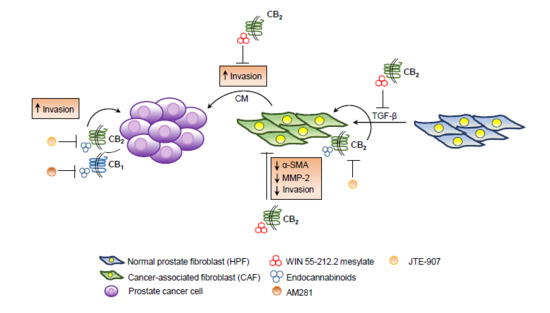
 “Palliative medicine physicians are challenged by lack of guidance regarding effectiveness and dosing of cannabis products in the setting of their emerging popularity.
 “It has been hypothesized that besides its intraocular pressure (IOP) lowering potential, tetrahydrocannabinol (THC) may also improve ocular hemodynamics.
 “This study was to discuss the research trend of dementia treatment using cannabis for the purpose of providing the basis of cannabis use for medical purposes in the future.
 “Osteoarticular equine disease is a common cause of malady; in general, its therapy is supported on steroids and nonsteroidal anti-inflammatories. Nevertheless, many side effects may develop when these drugs are administered. Nowadays, the use of new alternatives for this pathology attention is demanded; in that sense,