 “Cannabis products are becoming increasingly diverse, and they vary considerably in concentrations of ∆9 -tetrahydrocannabinol (THC) and cannabidiol (CBD). Higher doses of THC can increase the risk of harm from cannabis, while CBD may partially offset some of these effects. Lower Risk Cannabis Use Guidelines currently lack recommendations based on quantity of use, and could be improved by implementing standard units. However, there is currently no consensus on how units should be measured or standardised across different cannabis products or methods of administration.
ARGUMENT:
Existing proposals for standard cannabis units have been based on specific methods of administration (e.g. joints) and these may not capture other methods including pipes, bongs, blunts, dabbing, vaporizers, vape pens, edibles and liquids. Other proposals (e.g. grams of cannabis) cannot account for heterogeneity in THC concentrations across different cannabis products. Similar to alcohol units, we argue that standard cannabis units should reflect the quantity of active pharmacological constituents (dose of THC). On the basis of experimental and ecological data, public health considerations, and existing policy we propose that a ‘Standard THC Unit’ should be fixed at 5 milligrams of THC for all cannabis products and methods of administration. If supported by sufficient evidence in future, consumption of Standard CBD Units might offer an additional strategy for harm reduction.
CONCLUSIONS:
Standard THC Units can potentially be applied across all cannabis products and methods of administration to guide consumers and promote safer patterns of use.”
https://www.ncbi.nlm.nih.gov/pubmed/31606008
https://onlinelibrary.wiley.com/doi/abs/10.1111/add.14842

 “Bone cancer pain (BCP) is a severe complication of advanced bone cancer.
 “WIN55,212-2 (WIN) is a synthetic agonist of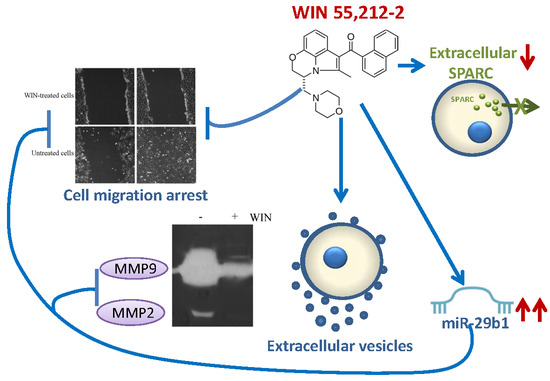
 “The symptomatic treatment of myotonia and myalgia in patients with dystrophic and non-dystrophic myotonias is often not satisfactory.
 “Medical
  “Although driving under the influence of cannabis is increasingly common among young adults, little is known about residual effects on driver behavior.
 “Memory and GABAergic activity in the hippocampus of stressed rats improve after n-3 polyunsaturated fatty acid (PUFA) supplementation.
 “Although a lot of information can be found on the specific dual role of the endocannabinoid system in the emotional-related responses, little is known whether stimulation or inhibition of the CB receptors may affect the activity of the frequently prescribed antidepressant drugs.
 “Modulation of