
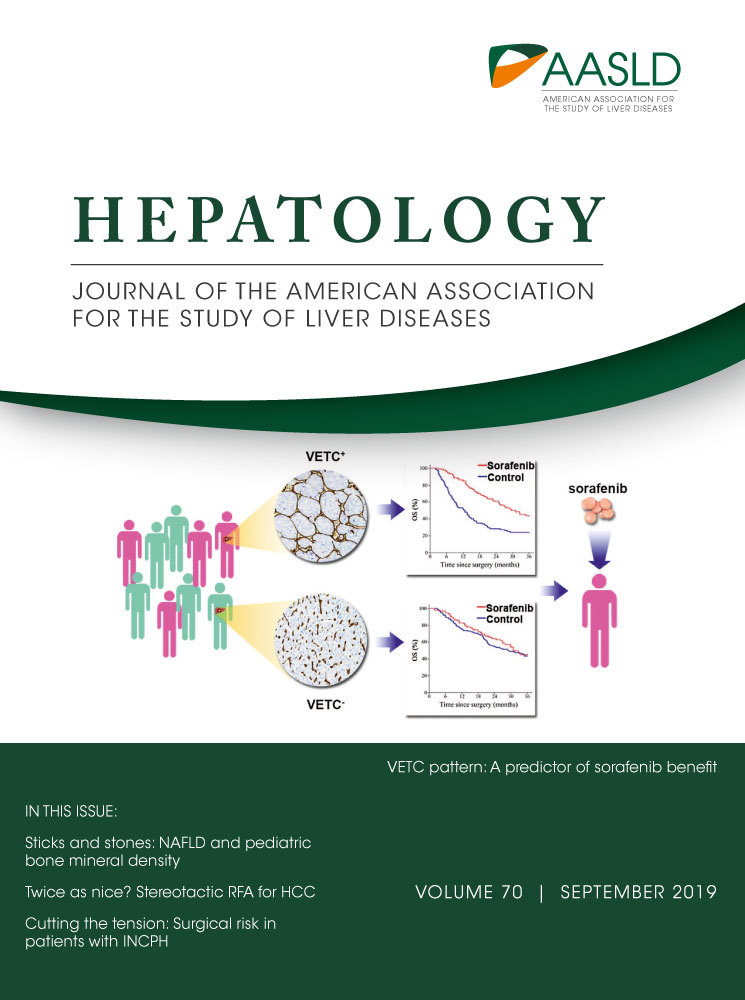
 “Hepatic cardiomyopathy, a special type of heart failure develops in up to 50% of patients with cirrhosis and is a major determinant of survival. However, there is no reliable model of hepatic cardiomyopathy in mice. Herein we aimed to characterize the detailed hemodynamics of mice with bile-duct ligation (BDL)-induced liver fibrosis, by monitoring echocardiography and intracardiac pressure-volume (PV) relationships and myocardial structural alterations. Treatment of mice with a selective cannabinoid-2 receptor (CB2 -R) agonist, known to attenuate inflammation and fibrosis, was used to explore the impact of liver inflammation, fibrosis on cardiac function.
MAIN RESULTS:
BDL induced massive inflammation (increased leukocyte infiltration, inflammatory cytokines and chemokines), oxidative stress, microvascular dysfunction, and fibrosis in the liver. These pathological changes were accompanied by impaired diastolic, systolic and macrovascular functions, cardiac inflammation (increased MIP1, interleukin-1, P-selectin, CD45+ cells) and oxidative stress (increased malondialdehyde, 3-nitrotyrosine and NADPH-oxidases). CB2 -R up-regulation was observed both in livers and hearts of mice exposed to BDL. CB2 -R activation markedly improved hepatic inflammation, impaired microcirculation, fibrosis. CB2 -R activation also decreased serum TNF-alpha levels, and improved cardiac dysfunction, myocardial inflammation and oxidative stress underlining the importance of inflammatory mediators in the pathology of hepatic cardiomyopathy.
CONCLUSION:
We propose BDL-induced cardiomyopathy in mice as a model for hepatic/cirrhotic cardiomyopathy. This cardiomyopathy, similarly to cirrhotic cardiomyopathy in humans, is characterized by systemic hypotension, impaired macro- and microvascular function accompanied by both systolic and diastolic dysfunction. Our results indicate that the liver-heart inflammatory axis has a pivotal pathophysiological role in the development of hepatic cardiomyopathy. Thus, controlling liver and/or myocardial inflammation (e.g. with selective CB2-R agonists) may delay/prevent the development of cardiomyopathy in severe liver disease. ”
https://www.ncbi.nlm.nih.gov/pubmed/31469200
https://aasldpubs.onlinelibrary.wiley.com/doi/abs/10.1002/hep.30916
 “The neurodegeneration, neuro-inflammation and mitochondrial dysfunction which occur by methamphetamine (METH) abuse or administration are serious and motivation therapeutic approaches for inhibition of these types of neurodegeneration. As we know, METH through Toll-like receptors (TLRs), specially type 4, and NF-κB signaling pathway causes neuro-inflammation and mitochondrial dysfunction.
 “Both types of
  “Medical and recreational cannabis use is increasing significantly, but its impacts on oral health remains unclear.
 “This paper studies the effects of marijuana legalization on neighborhood crime and documents the patterns in retail dispensary locations over time using detailed micro-level data from Denver, Colorado. To account for endogenous retail dispensary locations, we use a novel identification strategy that exploits exogenous changes in demand across different locations arising from the increased importance of external markets after the legalization of recreational marijuana sales.
 “Kidney ischemia reperfusion (IR) injury is an important health problem resulting in acute renal failure. After IR, the inflammatory and apoptotic process is triggered.
 “Phytocannabinoids are unique terpenophenolic compounds predominantly produced in the glandular trichomes of the cannabis plant (Cannabis sativa L.). The delta-9- tetrahydrocannabinol (THC) is the main active constituent responsible for the plant’s psychoactive effect and, together with the non- psychoactive cannabidiol (CBD), the most investigated naturally occurring cannabinoid.
 “Mixtures of different Cannabis sativa phytocannabinoids are more active biologically than single phytocannabinoids. However, cannabis terpenoids as potential instigators of phytocannabinoid activity have not yet been explored in detail.
 “Among the assisted reproductive techniques, the in vitro maturation of oocytes (IVM) is less developed than other techniques, but its implementation would entail a qualitative advance.
 “The prior medical literature offers little guidance as to how pain relief and side effect manifestation may vary across commonly used and commercially available cannabis product types. We used the largest dataset in the United States of real-time responses to and side effect reporting from patient-directed cannabis consumption sessions for the treatment of pain under naturalistic conditions in order to identify how cannabis affects momentary pain intensity levels and which product characteristics are the best predictors of therapeutic pain relief.