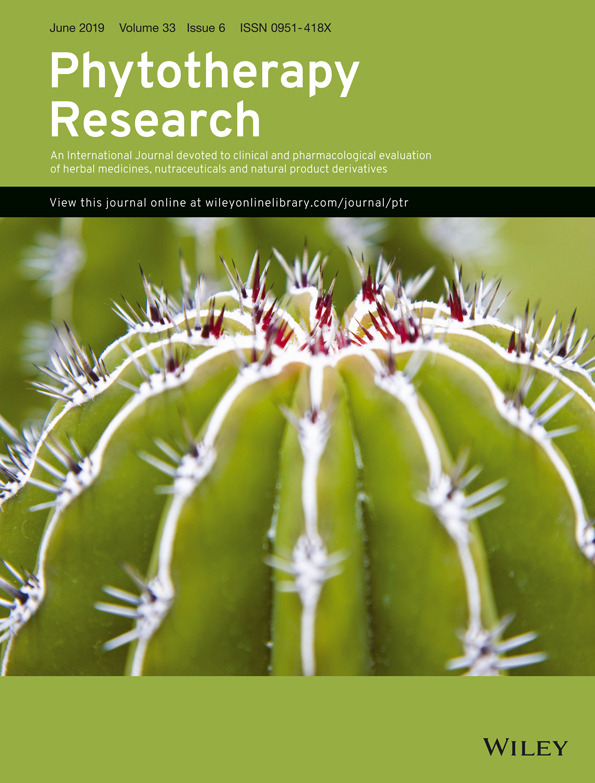
 “The present study investigates the potential effect of a Cannabis sativa L. ethanolic extract standardized in cannabidiol as antiinflammatory agent in the skin. The extract inhibited the release of mediators of inflammation involved in wound healing and inflammatory processes occurring in the skin. Cannabis extract and cannabidiol showed different effects on the release of interleukin-8 and vascular endothelial growth factor, which are both mediators whose genes are dependent on NF-κB. Our findings provide new insights into the potential effect of Cannabis extracts against inflammation-based skin diseases.” https://www.ncbi.nlm.nih.gov/pubmed/31250491
https://onlinelibrary.wiley.com/doi/abs/10.1002/ptr.6400
“The endocannabinoid system of the skin in health and disease: novel perspectives and therapeutic opportunities” https://www.ncbi.nlm.nih.gov/pmc/articles/PMC2757311/
“The endocannabinoid system of the skin. A potential approach for the treatment of skin disorders” https://www.sciencedirect.com/science/article/abs/pii/S0006295218303484
“Cannabinoid system in the skin – a possible target for future therapies in dermatology.” https://www.ncbi.nlm.nih.gov/pubmed/19664006
“Extracts of the hemp plant cannabis are traditionally used as a popular remedy against inflammation.” https://medicalxpress.com/news/2007-06-cannabinoids-human-body-anti-inflammatory-effect.html

 “While more than half of the respondents in both groups showed some acceptance toward the usage of

 “Accumulating evidence supports the role of the cannabinoid system in providing an antinociceptive effect in various painful conditions.
 “The cannabinoid receptor CB1 is involved in modulation of neuronal hypersensitivity and pain. The aim of this study was to evaluate CB1 receptor levels for the first time in dental pain. A total of 19 patients due for molar extraction were divided into two groups, those with existing dental pain (n=9), and those with no history of pain (n=10). Immunohistochemistry and computer image analysis was used to evaluate CB1-positive nerve fibres in tooth pulp, with neurofilament-immunostaining as a structural nerve marker. CB1-immunoreactive nerve fibres were scattered throughout the tooth pulp and often seen in nerve bundles, but the fibres did not penetrate the subodontoblastic layer. There was no statistically significant change in the CB1 nerve fibre percentage area in the painful group compared to the non-painful group (p=0.146); the neurofilament fibres were significantly reduced in the painful group compared to the controls (p=0.028), but there was no difference in the ratio of CB1 to neurofilaments between the two groups. Thus, CB1 expression is maintained by nerve fibres in painful human dental pulp, and peripherally-restricted CB1 agonists currently in development may advance the treatment of dental pain.”