The effects of cannabinoids on the endocrine system.

“Cannabinoids are the derivatives of the cannabis plant, the most potent bioactive component of which is tetrahydrocannabinol (THC). The most commonly used drugs containing cannabinoids are marijuana, hashish, and hashish oil.

These compounds exert their effects via interaction with the cannabinoid receptors CB1 and CB2. Type 1 receptors (CB1) are localised mostly in the central nervous system and in the adipose tissue and many visceral organs, including most endocrine organs. Type 2 cannabinoid receptors (CB2) are positioned in the peripheral nervous system (peripheral nerve endings) and on the surface of the immune system cells.

Recently, more and more attention has been paid to the role that endogenous ligands play for these receptors, as well as to the role of the receptors themselves. So far, endogenous cannabinoids have been confirmed to participate in the regulation of food intake and energy homeostasis of the body, and have a significant impact on the endocrine system, including the activity of the pituitary gland, adrenal cortex, thyroid gland, pancreas, and gonads.

Interrelations between the endocannabinoid system and the activity of the endocrine system may be a therapeutic target for a number of drugs that have been proved effective in the treatment of infertility, obesity, diabetes, and even prevention of diseases associated with the cardiovascular system.”


Blood-brain barrier disturbances in diabetes-associated dementia: Therapeutic potential for cannabinoids.

Pharmacological Research

“Type-2 diabetes (T2D) increases the risk of dementia by ˜5-fold, however the mechanisms by which T2D increases dementia risk remain unclear. Evidence suggests that the heightened inflammation and oxidative stress in T2D may lead to disruption of the blood-brain barrier (BBB), which precedes premature cognitive decline. Studies show that vascular-targeted anti-inflammatory treatments protect the BBB by attenuating neuroinflammation, and in some studies attenuate cognitive decline. Yet, this potential pathway is understudied in T2D-associated cognitive impairment.

In recent years, therapeutic potential of cannabinoids has gained much interest. The two major cannabinoids, cannabidiol and tetrahydrocannabinol, exert anti-inflammatory and vascular protective effects, however few studies report their potential for reversing BBB dysfunction, particularly in T2D. Therefore, in this review, we summarize the current findings on the role of BBB dysfunction in T2D-associated dementia and consider the potential therapeutic use of cannabinoids as a protectant of cerebrovascular BBB protection.”

https://www.ncbi.nlm.nih.gov/pubmed/30616019

https://www.sciencedirect.com/science/article/abs/pii/S1043661818314634?via%3Dihub

Successful cannabis derivatives oromucosal spray therapy for a seronegative stiff-person syndrome: a case report.


Image result for bmj journals

“Stiff-person syndrome (SPS) is an uncommon and disabling disorder characterised by progressive rigidity and episodic painful spasms involving axial and limb musculature.

The authors report a patient with seronegative SPS successfully treated with THC-CBD oromucosal spray.

In conclusion cannabinoids can be a therapeutic option to treat spasticity associated with neurological diseases such as stiff-person syndrome.

Our patient’s quality of life has improved remarkably although more information is needed about this particular use.”

https://ejhp.bmj.com/content/19/2/219.2?fbclid=IwAR0PVg0GRQDmu_tXu_vYJmmKHo2MGnJ_EsnkdsR4HE7deFVUtqhAxziHQBc

http://dx.doi.org/10.1136/ejhpharm-2012-000074.352

Adenosine A2A-Cannabinoid CB1 Receptor Heteromers in the Hippocampus: Cannabidiol Blunts Δ9-Tetrahydrocannabinol-Induced Cognitive Impairment

“At present, clinical interest in the plant-derived cannabinoid compound cannabidiol (CBD) is rising exponentially, since it displays multiple therapeutic properties. In addition, CBD can counteract the undesirable effects of the psychoactive cannabinoid Δ9-tetrahydrocannabinol (Δ9-THC) that hinder clinical development of cannabis-based therapies. Here, by combining in vivo and complementary molecular techniques, we demonstrate for the first time that CBD blunts the Δ9-THC-induced cognitive impairment in an adenosine A2A receptor (A2AR)-dependent manner. Overall, these data provide new evidence regarding the mechanisms of action of CBD and the nature of A2AR-CB1R interactions in the brain.”

The Cerebellum, THC, and Cannabis Addiction: Findings from Animal and Human Studies.

“Despite being legally scheduled as a drug with high harm potential and no therapeutic utility in countries like the USA, evidence shows otherwise and legislative changes and reinterpretations of existing ambiguous laws make this drug increasingly available by legal means.”

https://www.ncbi.nlm.nih.gov/pubmed/30610540

https://link.springer.com/article/10.1007%2Fs12311-018-0993-7

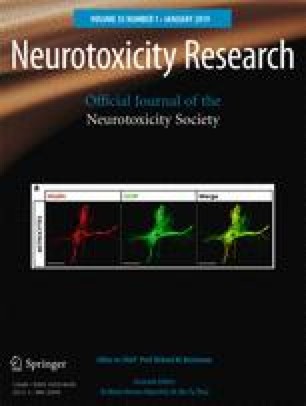
Cannabinoid Receptor Type 1 Agonist ACEA Improves Cognitive Deficit on STZ-Induced Neurotoxicity Through Apoptosis Pathway and NO Modulation.

“The cannabinoid system has the ability to modulate cellular and molecular mechanisms, including excitotoxicity, oxidative stress, apoptosis, and inflammation, acting as a neuroprotective agent, by its relationship with signaling pathways associated to the control of cell proliferation, differentiation, and survival. Recent reports have raised new perspectives on the possible role of cannabinoid system in neurodegenerative diseases like Alzheimer disease’s (AD).

Our study has demonstrated a participation of the cannabinoid system in cellular survival, involving the CB1 receptor, which occurs by positive regulation of the anti-apoptotic proteins, suggesting the participation of this system in neurodegenerative processes. Our data suggest that the cannabinoid system is an interesting therapeutic target for the treatment of neurodegenerative diseases.”

https://www.ncbi.nlm.nih.gov/pubmed/30607903

https://link.springer.com/article/10.1007%2Fs12640-018-9991-2

Gender and the Politics of Marijuana

Social Science Quarterly banner

“The objectives of this study were to understand why, even though women are more liberal than men on a broad range of issues, when it comes to the increasingly prominent issue of marijuana legalization, the direction of the gender gap is reversed, with women more conservative than men.

We find that women’s role as mothers cannot explain this gap, and that mothers are in fact no different from those without children in terms of their support for marijuana policy, as well as their reported use of marijuana. The greater religiosity of women does play a prominent role in the gender gap on marijuana policy, but does not account for the full difference of opinion between women and men. Our findings suggest that men’s greater propensity relative to women to use marijuana is a major driver behind the gender gap.

Conclusions

Not only are attitudes on marijuana legalization likely to continue to liberalize, but as marijuana legalization and marijuana use become normalized, rather than viewed as immoral and dangerous behavior, the existing gender gap should shrink.”

https://onlinelibrary.wiley.com/doi/abs/10.1111/ssqu.12558

“Drug use, religion explain ‘reverse gender gap’ on marijuana”  https://www.sciencedaily.com/releases/2018/11/181126134251.htm?fbclid=IwAR072Y-SGz0PElUfNtQCTe56kzRC5ZBDoBMmlW2oTagAOy-IOcT_8UxVCEI

Cannabinoid-mediated retinal rescue correlates with improved circadian parameters in retinal dystrophic rats.

 Experimental Eye Research“Ocular pathologies and blindness have been linked to circadian disorders. In previous studies, our group has demonstrated that retinitis pigmentosa is associated with degenerative changes in the melanopsin system and weaker circadian patterns.

We have also shown that cannabinoids preserve retinal structure and function in dystrophic P23H rats.

This study is consequently aimed at examining whether the morphologic and functional rescue of retinal degeneration by cannabinoids is associated with amelioration of circadian parameters.

The synthetic cannabinoid HU210 (100 μg/kg, i.p.) or vehicle were administered to transgenic P23H rats three times per week, from postnatal day 24-90. Sprague-Dawley rats were used as a healthy control group. Locomotor activity and scotopic electroretinograms were recorded, and the retinal structure was analyzed at the end of the experiment. The ERG a- and b-wave amplitudes and photoreceptor cell number were more deteriorated in vehicle-administered P23H rats as compared to P23H rats treated with HU210. In cannabinoid-administered P23H rats, the locomotor activity circadian rhythms showed less disturbance than that observed in vehicle-administered P23H rats, the latter showing lower values for mesor, amplitude, acrophase, percentage of variance and non-parametric variables. A positive linear correlation was found between retinal values and circadian parameters of locomotor activity from P23H rats.

This study thus provides evidence of a positive correlation between cannabinoid-mediated rescue of retinal structure and function and improvement of circadian rhythmicity.”

https://www.ncbi.nlm.nih.gov/pubmed/30605663

https://www.sciencedirect.com/science/article/pii/S0014483518306511?via%3Dihub

The Misclassification of Medical Marijuana.

Journal of the American Academy of Psychiatry and the Law

“Marijuana has a complicated legal, social, and economic history in the United States, as well as an uncertain future. Marijuana has been consistently tied to racial minority groups since its arrival in the United States in the 1900s, and former Attorney General Jeff Sessions further propagated that notion. AG Sessions even recently wrote a memo that directly contradicted Obama-era policy, demonstrating that the current legal status of marijuana in both state and federal government is currently up for debate. While several states have legalized marijuana for medical or even recreational purposes, federal law still categorizes cannabis as a drug with no currently accepted medical use and a high potential for abuse. The comparison between marijuana, opioids, and ketamine in this article demonstrates that marijuana has been unnecessarily withheld and stigmatized by the federal government. Also reviewed is the impact of stringent marijuana-based legal policies upon the racial makeup of prison populations. The implications of current policy upon potential and future research are also discussed, with the determination that current policy has stymied research and prevented a more accurate determination of the risks and benefits of medical marijuana.”

https://www.ncbi.nlm.nih.gov/pubmed/30593477

“Cannabis was initially marked as Schedule I for reasons related to race and class. The federal government has restricted access to marijuana on the basis of its unknown risks and lack of proven benefits despite the fact that synthetic cannabinoids have been demonstrated to elicit FDA-approved benefits. This article demonstrates that marijuana should be removed from the Schedule I listing, as would be consistent with the labeling of ketamine and opioids, and reclassified as a Schedule III or Schedule II drug. Given the beneficial medical use, possible side effects, and potential for abuse and addiction of each drug, medical cannabis has been unfairly kept from the public through its unnecessary classification as a Schedule I drug.”

http://jaapl.org/content/46/4/472.long

Theoretical Explanation for Reduced Body Mass Index and Obesity Rates in Cannabis Users

“Obesity is treatment-resistant, and is linked with a number of serious, chronic diseases. Adult obesity rates in the United States have tripled since the early 1960s. Recent reviews show that an increased ratio of omega-6 to omega-3 fatty acids contributes to obesity rates by increasing levels of the endocannabinoid signals AEA and 2-AG, overstimulating CB1R and leading to increased caloric intake, reduced metabolic rates, and weight gain. Cannabis, or THC, also stimulates CB1R and increases caloric intake during acute exposures. The present meta-analysis reveals significantly reduced body mass index and rates of obesity in Cannabis users, in conjunction with increased caloric intake. We provide for the first time a causative explanation for this paradox, in which rapid and long-lasting downregulation of CB1R following acute Cannabis consumption reduces energy storage and increases metabolic rates, thus reversing the impact on body mass index of elevated dietary omega-6/omega-3 ratios. Evidence suggests that, in the United States, many people may actually achieve net health benefits from moderate Cannabis use, due to reduced risk of obesity and associated diseases.” https://www.liebertpub.com/doi/10.1089/can.2018.0045?_ga=2.221453528.1791159238.1546024140-1083808004.1546024140

“Reduced Body Mass Index and Obesity Rates in Cannabis Users”  https://www.genengnews.com/insights/reduced-body-mass-index-and-obesity-rates-in-cannabis-users/?fbclid=IwAR3a0wbfGoPwAR-pYQGCeLz-KYUFdiLJoj6Ja7rTTNGBYwkjIGw1fUjf5LI

 
]]>