Tolerability of dronabinol alone, ondansetron alone and the combination of dronabinol plus ondansetron in delayed chemotherapy-induced nausea and vomiting.

Image result for J Clin Oncol.

“Dronabinol (Marinol), the synthetic version of tetrahydrocannabinol, is used to treat nausea and vomiting following cancer chemotherapy (CINV).

It has a unique mechanism of action (cannabinoid receptor binding) compared to the more frequently used serotonin receptor antagonists. Tolerability of dronabinol versus ondansetron and the combination of dronabinol plus ondansetron was explored in subjects with delayed CINV.

Dronabinol was well tolerated and resulted in few terminations due to adverse events. The low rate of CNS-related adverse events following D treatment may make it a suitable alternative to serotonin antagonist therapy for delayed CINV.”

https://www.ncbi.nlm.nih.gov/pubmed/27946950

Tamoxifen Isomers and Metabolites Exhibit Distinct Affinity and Activity at Cannabinoid Receptors: Potential Scaffold for Drug Development.

Image result for plos one

“Tamoxifen (Tam) is a selective estrogen receptor (ER) modulator (SERM) that is an essential drug to treat ER-positive breast cancer. Aside from known actions at ERs, recent studies have suggested that some SERMs like Tam also exhibit novel activity at cannabinoidsubtype 1 and 2 receptors (CB1R and CB2Rs).

Collectively, these results suggest that the SERMs Tam, 4OHT and End elicit ER-independent actions via CBRs in an isomer-specific manner.

As such, this novel structural scaffold might be used to develop therapeutically useful drugs for treatment of a variety of diseases mediated via CBRs.”

Paradoxical increase in synthetic cannabinoid emergency-related presentations after a citywide ban: Lessons from Houston, Texas.

Image result for Bull Menninger Clin

“Synthetic cannabinoids (SCs) have become a major drug of abuse associated with severe hospital presentations. There have been a variety of legislative efforts to regulate these drugs: The authors focus on trends in SC-related hospitalizations at Ben Taub General Hospital before and after a ban enacted by the city of Houston.

Data from all consults seen by Ben Taub’s Licensed Chemical Dependency Counselor were examined for changes in SC-related presentations before and after the ban. The findings were compared alongside other reports of current SC use.

A significant increase was found in the prevalence of SC-related presentations at Ben Taub Hospital following Houston’s citywide ban. These findings are consistent with other state and national data.

Houston’s ordinance was expected to decrease harmful effects of SC in the community; however, the data suggest an increase in presentations since the legislation was passed.

While further study is needed, it initially appears that the threat of SCs is still considerable despite policy efforts. These results suggest the need for further monitoring of SC use and continued collaboration toward effective public health measures.”

https://www.ncbi.nlm.nih.gov/pubmed/27936903

From adolescent to elder rats: Motivation for palatable food and cannabinoids receptors.

Image result for Developmental Neurobiology

“To analyze motivation, food self-administration and decision-making was evaluated in adolescent, adult and aged rats.

Adolescent rats exhibited low expression of CB1R in the NAcc and low expression of both CB1R and CB2R in the PFC compared to adult and aged rats.

Adolescent rats display higher motivation for palatable food and an indiscriminate seeking behavior suggesting involvement of both homeostatic and hedonic systems in their decision-making processes.”

https://www.ncbi.nlm.nih.gov/pubmed/27935269

Risk of neonatal and childhood morbidity among preterm infants exposed to marijuana.

Image result for J Matern Fetal Neonatal Med.

“Limited data exist regarding the neonatal and neurodevelopmental outcomes of infants exposed to marijuana (MJ) in-utero, particularly among preterm infants.

Among infants born <35 weeks of gestation, MJ-exposure was not associated with adverse neonatal or childhood outcomes.”

Cannabidiol Modulates the Immunophenotype and Inhibits the Activation of the Inflammasome in Human Gingival Mesenchymal Stem Cells.

 Image result for Front Physiol

“Human Gingival Mesenchymal Stem Cells (hGMSCs) are multipotential cells that can expand and differentiate in culture under specific and standardized conditions.

In the present study, we have investigated whether in vitro pre-treatment of hGMSCs with Cannabidiol(CBD) can influence their expression profile, improving the therapeutic potential of this cell culture.

In conclusion, the present study will provide a new simple and reproducible method for preconditioning hGMSCs with CBD, before transplantation, as an interesting strategy for improving the hGMSCs molecular phenotype, reducing the risk of immune or inflammatory reactions in the host, and in parallel, for increasing their survival and thus, their long-term therapeutic efficacy.”

https://www.ncbi.nlm.nih.gov/pubmed/27932991

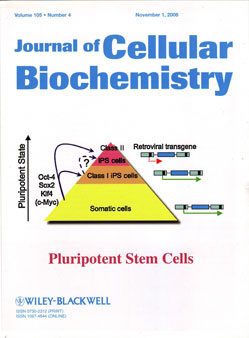
Cannabidiol Activates Neuronal Precursor Genes in Human Gingival Mesenchymal Stromal Cells.

Image result for journal of cellular biochemistry

“In the last years, mesenchymal stromal cells (MSCs) from oral tissues have received considerable interest in regenerative medicine since they can be obtained with minimal invasive procedure and exhibit immunomodulatory properties.

This study was aimed to investigate whether in vitro pre-treatment of MSCs obtained from human gingiva (hGMSCs) with Cannabidiol (CBD), a cannabinoid component produced by the plant Cannabis sativa, may promote human gingiva derived MSCs to differentiate towards neuronal precursor cells.

From our results we hypothesize that human gingiva-derived MSCs conditioned with CBD could represent a valid method for improving the hGMSCs phenotype and thus might be a potential therapeutic tool in the treatment of neurodegenerative diseases.”

https://www.ncbi.nlm.nih.gov/pubmed/27918106

Plant cannabinoids: a neglected pharmacological treasure trove.

Logo of brjpharm

“Most of the cannabinoids in Cannabis sativa L. have not been fully evaluated for their pharmacological activity.

A publication in this issue presents evidence that a plant cannabinoid, Δ9-tetrahydrocannabivarin is a potent antagonist of anandamide, a major endogenous cannabinoid.

It seems possible that many of the non-psychoactive constituents of this plant will be of biological interest.

I sincerely believe that the plant cannabinoids are a neglected pharmacological treasure trove.”

https://www.ncbi.nlm.nih.gov/pmc/articles/PMC1751232/

Targeted proteomics of cannabinoid receptor CB1 and the CB1b isoform.

Image result for Journal of Pharmaceutical and Biomedical Analysis

“Cannabinoid receptors (CBR), including CB1 and CB2 have been therapeutic targets for a number of conditions.

Recently, splice variants of the CB1R have been identified in humans.

The isoforms differ in their N-terminus sequence and pharmacological activity relative to the CB1R, as a result, the differentiation between the CB1 receptor and its isoform is required.

As a result, a selected reaction monitoring mass spectrometry (SRM-MS) method was developed for the quantitation of CB1 and the CB1b isoform in CHO cells transduced with CB1 and CB1b.

The SRM-MS protocol was assessed with isotopically labeled peptide standards and had high reproducibility of intra-day assay (CVs from 1.9 to 4.3% for CB1 and 0.5 to 5.9% for CB1b) and inter-day assay (CVs from 1.2 to 5.2% for CB1 and 1.2 to 6.1% for CB1b).”

https://www.ncbi.nlm.nih.gov/pubmed/27914737

What is THC?

“THC, or tetrahydrocannabinol, is the chemical responsible for most of marijuana’s psychological effects. It acts much like the cannabinoid chemicals made naturally by the body, according to the National Institute on Drug Abuse (NIDA).

Cannabinoid receptors are concentrated in certain areas of the brain associated with thinking, memory, pleasure, coordination and time perception. THC attaches to these receptors and activates them and affects a person’s memory, pleasure, movements, thinking, concentration, coordination, and sensory and time perception, according to NIDA.

THC is one of many compounds found in the resin secreted by glands of the marijuana plant. More of these glands are found around the reproductive organs of the plant than on any other area of the plant. Other compounds unique to marijuana, called cannabinoids, are present in this resin.

One cannabinoid, CBD is nonpsychoactive, according to the National Center for Biotechnology Information, and actually blocks the high associated with THC.”

http://www.livescience.com/24553-what-is-thc.html

http://www.thctotalhealthcare.com/category/thc-delta-9-tetrahydrocannabinol/