Rhythmic control of endocannabinoids in the rat pineal gland.

“Endocannabinoids modulate neuroendocrine networks by directly targeting cannabinoid receptors.

The time-hormone melatonin synchronizes these networks with external light condition and guarantees time-sensitive and ecologically well-adapted behaviors.

Here, the endocannabinoid arachidonoyl ethanolamide (AEA) showed rhythmic changes in rat pineal glands with higher levels during the light-period and reduced amounts at the onset of darkness.

Norepinephrine, the essential stimulus for nocturnal melatonin biosynthesis, acutely down-regulated AEA and other endocannabinoids in cultured pineal glands.

These temporal dynamics suggest that AEA exerts time-dependent autocrine and/or paracrine functions within the pineal.

Moreover, endocananbinoids may be released from the pineal into the CSF or blood stream.”

http://www.ncbi.nlm.nih.gov/pubmed/26061461

Effects of cannabinoids and their receptors on viral infections.

“Cannabinoids, the active ingredient in marijuana, and their derivatives have received remarkable attention in the last two decades because they can affect tumor growth and metastasis.

There is a large body of evidence from in vivo and in vitro models showing that cannabinoids and their receptors influence the immune system, viral pathogenesis, and viral replication.

The present study reviews current insights into the role of cannabinoids and their receptors on viral infections.

The results reported here indicate that cannabinoids and their receptors have different sequels for viral infection.

Although activation or inhibition of cannabinoid receptors in the majority of viral infections are proper targets for development of safe and effective treatments, caution is required before using pharmaceutical cannabinoids as a treatment agent for patients with viral infections.”

Involvement of cannabinoid receptors in infrasonic noise-induced neuronal impairment.

“Excessive exposure to infrasound, a kind of low-frequency but high-intensity sound noise generated by heavy transportations and machineries, can cause vibroacoustic disease which is a progressive and systemic disease, and finally results in the dysfunction of central nervous system.

Our previous studies have demonstrated that glial cell-mediated inflammation may contribute to infrasound-induced neuronal impairment, but the underlying mechanisms are not fully understood.

Here, we show that cannabinoid (CB) receptors may be involved in infrasound-induced neuronal injury.

…our results provide the first evidence that CB receptors may be involved in infrasound-induced neuronal impairment possibly by affecting the release of proinflammatory cytokines.”

http://www.ncbi.nlm.nih.gov/pubmed/26058582

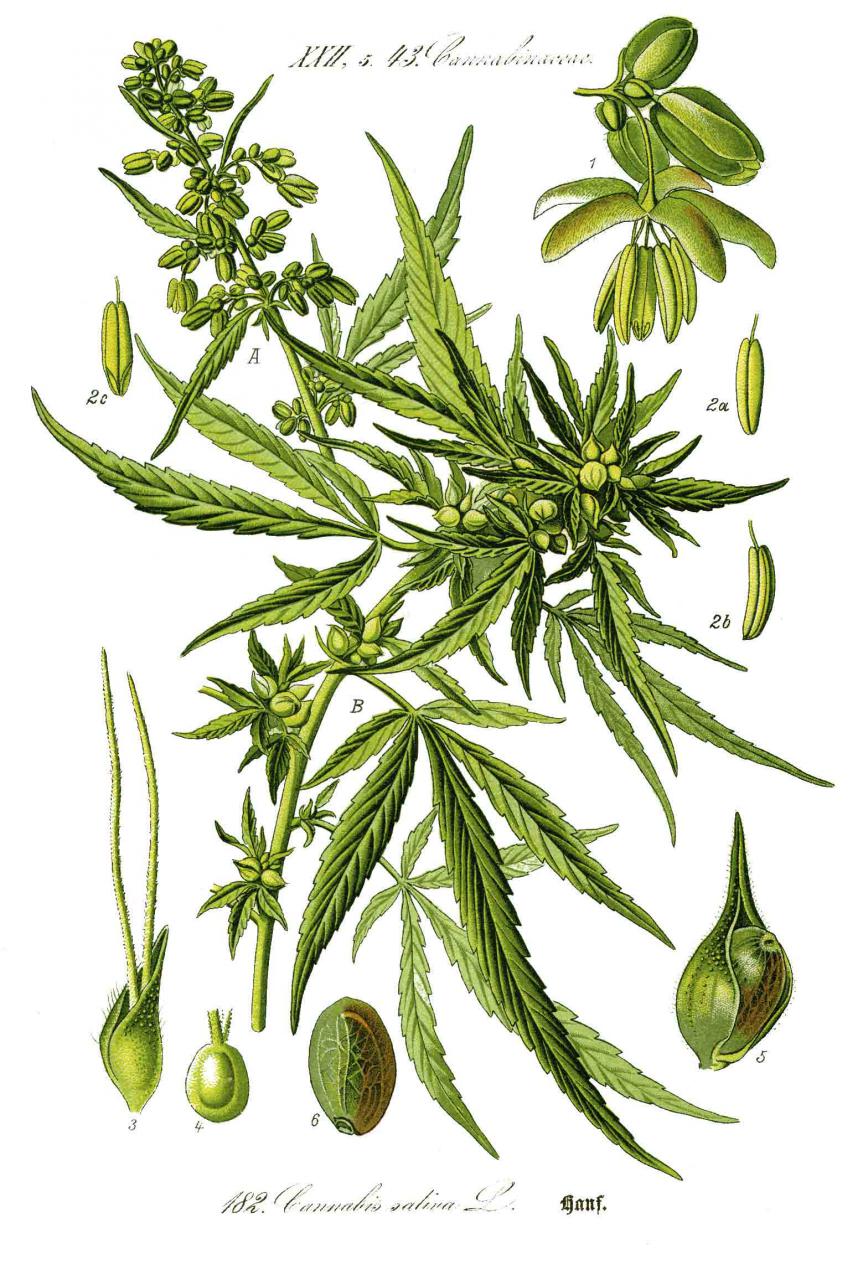
Photosynthetic response of Cannabis sativa L., an important medicinal plant, to elevated levels of CO2

“Cannabis sativa L. (Cannabaceae) is a widely distributed plant around the world. It has a long history of medicinal use as far back as the 6th century B.C. Cannabis sativa is the natural source of the cannabinoids, a unique group of terpeno-phenolic compounds that accumulate in the glandular trichomes of the plant.

Δ9-Tetrahydrocannabinolic acid (Δ9-THCA) is the major cannabinoid which upon decarboxylation with age or heating gives rise to Δ9-THC, the primary psychoactive agent. The pharmacologic and therapeutic potency of Cannabis preparations and Δ9-THC have been extensively reviewed.

Despite of its medicinal importance and widespread occurrence, to the best of our knowledge, no information is available on the consequences of rising atmospheric CO2 concentration on its photosynthesis and growth performance.

This study describes the short term effect of elevated CO2 on photosynthetic characteristics and stomatal response in four different high Δ9-THC yielding varieties of Cannabis sativa.

The higher water use efficiency (WUE) under elevated CO2 conditions in Cannabis sativa, primarily because of decreased stomatal conductance and subsequently the transpiration rate, may enable this species to survive under expected harsh greenhouse effects including elevated CO2 concentration and drought conditions.”

http://www.ncbi.nlm.nih.gov/pmc/articles/PMC3550578/

Metabolic fingerprinting of Cannabis sativa L., cannabinoids and terpenoids for chemotaxonomic and drug standardization purposes.

“Cannabis sativa L. is an important medicinal plant.

In order to develop cannabis plant material as a medicinal product quality control and clear chemotaxonomic discrimination between varieties is a necessity.

Therefore in this study 11 cannabis varieties were grown under the same environmental conditions. Chemical analysis of cannabis plant material used a gas chromatography flame ionization detection method that was validated for quantitative analysis of cannabis monoterpenoids, sesquiterpenoids, and cannabinoids. Quantitative data was analyzed using principal component analysis to determine which compounds are most important in discriminating cannabis varieties.

In total 36 compounds were identified and quantified in the 11 varieties. Using principal component analysis each cannabis variety could be chemically discriminated. This methodology is useful for both chemotaxonomic discrimination of cannabis varieties and quality control of plant material.”

http://www.ncbi.nlm.nih.gov/pubmed/21040939

The effect of phytocannabinoids on airway hyper-responsiveness, airway inflammation, and cough.

“Cannabis has been demonstrated to have bronchodilator, anti-inflammatory, and antitussive activity in the airways…

We compared the effects of Δ(9)-tetrahydrocannabinol, cannabidiol, cannabigerol, cannabichromene, cannabidiolic acid, and tetrahydrocannabivarin on contractions of the guinea pig-isolated trachea and bronchoconstriction induced by nerve stimulation or methacholine in anesthetized guinea pigs following exposure to saline or the proinflammatory cytokine, tumor necrosis factor α (TNF-α)…

Only Δ(9)-tetrahydrocannabinol inhibited TNF-α-enhanced vagal-induced bronchoconstriction, neutrophil recruitment to the airways, and citric acid-induced cough responses…

The other cannabinoids did not influence cholinergic transmission, and only Δ(9)-THC demonstrated effects on airway hyper-responsiveness, anti-inflammatory activity, and antitussive activity in the airways.”

http://www.ncbi.nlm.nih.gov/pubmed/25655949

Inhibition of human neutrophil chemotaxis by endogenous cannabinoids and phytocannabinoids: evidence for a site distinct from CB1 and CB2.

“Here, we show a novel pharmacology for inhibition of human neutrophil migration by endocannabinoids, phytocannabinoids, and related compounds.

This study reveals that certain endogenous lipids, phytocannabinoids, and related ligands are potent inhibitors of human neutrophil migration, and it implicates a novel pharmacological target distinct from cannabinoid CB(1) and CB(2) receptors; this target is antagonized by the endogenous compound N-arachidonoyl l-serine.

Furthermore, our findings have implications for the potential pharmacological manipulation of elements of the endocannabinoid system for the treatment of various inflammatory conditions.”

http://www.ncbi.nlm.nih.gov/pubmed/17965195

Turning Over a New Leaf: Cannabinoid and Endocannabinoid Modulation of Immune Function.

“Cannabis is a complex substance that harbors terpenoid-like compounds referred to as phytocannabinoids.

The major psychoactive phytocannabinoid found in cannabis ∆9-tetrahydrocannabinol (THC) produces the majority of its pharmacological effects through two cannabinoid receptors, termed CB1and CB2. The discovery of these receptors as linked functionally to distinct biological effects of THC, and the subsequent development of syntheticcannabinoids, precipitated discovery of the endogenous cannabinoid (or endocannabinoid) system.

This system consists of the endogenous lipid ligands N- arachidonoylethanolamine (anandamide; AEA) and 2-arachidonylglycerol (2-AG), their biosynthetic and degradative enzymes, and the CB1and CB2 receptors that they activate. Endocannabinoids have been identified in immune cells such as monocytes, macrophages, basophils, lymphocytes, and dendritic cells and are believed to be enzymatically produced and released “on demand” in a similar fashion as the eicosanoids.

It is now recognized that other phytocannabinoids such as cannabidiol (CBD) and cannabinol (CBN) can alter the functional activities of the immune system.

This special edition of the Journal of Neuroimmune Pharmacology (JNIP) presents a collection of cutting edge original research and review articles on the medical implications of phytocannabinoids and the endocannabinoid system.

The goal of this special edition is to provide an unbiased assessment of the state of research related to this topic from leading researchers in the field.

The potential untoward effects as well as beneficial uses of marijuana, its phytocannabinoid composition, and synthesized cannabinoid analogs are discussed.

In addition, the role of the endocannabinoid system and approaches to its manipulation to treat select human disease processes are addressed.”

http://www.ncbi.nlm.nih.gov/pubmed/26054900

“A variety of cannabinoids was examined in these studies, including the FDA-approved synthetic cannabinoid receptor agonist nabilone, an oral mucosal cannabis spray, the FAAH inhibitor PF-04457845, oral or inhaled cannabis extract, and smoked cannabis. The majority of these studies revealed modest analgesic effects of these formulations without serious side effects, lending credence to the idea that cannabinoid-based medications ultimately may be a reasonable treatment option for chronic non-cancer pain.”  http://www.ncbi.nlm.nih.gov/pmc/articles/PMC4469415/

Cannabidiol for the Prevention of Graft-Versus-Host-Disease after Allogeneic Hematopoietic Cell Transplantation: Results of a Phase II Study.

“Graft-versus-host-disease (GVHD) is a major obstacle to successful allogeneic hematopoietic cell transplantation (alloHCT).

Cannabidiol (CBD), a non-psychotropic ingredient of Cannabis sativa possesses potent anti-inflammatory and immunosuppressive properties. We hypothesized that CBD may decrease GVHD incidence and severity after alloHCT…

The combination of CBD with standard GVHD prophylaxis is a safe and promising strategy to reduce the incidence of acute GVHD. A randomized double blind controlled study is warranted.”

http://www.ncbi.nlm.nih.gov/pubmed/26033282

Δ9-Tetrahydrocannabinol attenuates allogeneic host-versus-graft response and delays skin graft rejection through activation of cannabinoid receptor 1 and induction of myeloid-derived suppressor cells.

“Immune cells have been shown to express cannabinoid receptors and to produce endogenous ligands. Moreover, activation of cannabinoid receptors on immune cells has been shown to trigger potent immunosuppression.

Despite such studies, the role of cannabinoids in transplantation, specifically to prevent allograft rejection, has not, to our knowledge, been investigated previously. In the current study, we tested the effect of THC on the suppression of HvGD as well as rejection of skin allografts…

Together, our research shows, for the first time to our knowledge, that targeting cannabinoid receptors may provide a novel treatment modality to attenuate HvGD and prevent allograft rejection.”

http://www.ncbi.nlm.nih.gov/pubmed/26034207