Altered dopamine D3 receptor gene expression in MAM model of schizophrenia is reversed by peripubertal cannabidiol treatment.

Biochemical Pharmacology“Gestational methylazoxymethanol acetate (MAM) treatment produces offspring with adult phenotype relevant to schizophrenia, including positive- and negative-like symptoms, cognitive deficits, dopaminergic dysfunction, structural and functional abnormalities.

Here we show that adult rats prenatally treated with MAM at gestational day 17 display significant increase in dopamine D3 receptor (D3) mRNA expression in prefrontal cortex (PFC), hippocampus and nucleus accumbens, accompanied by increased expression of dopamine D2 receptor (D2) mRNA exclusively in the PFC. Furthermore, a significant change in the blood perfusion at the level of the circle of Willis and hippocampus, paralleled by the enlargement of lateral ventricles, was also detected by magnetic resonance imaging (MRI) techniques.

Peripubertal treatment with the non-euphoric phytocannabinoid cannabidiol (30 mg/kg) from postnatal day (PND) 19 to PND 39 was able to reverse in MAM exposed rats: i) the up-regulation of the dopamine D3 receptor mRNA (only partially prevented by haloperidol 0.6 mg/kg/day); and ii) the regional blood flow changes in MAM exposed rats. Molecular modelling predicted that cannabidiol could bind preferentially to dopamine D3 receptor, where it may act as a partial agonist according to conformation of ionic-lock, which is higly conserved in GPCRs.

In summary, our results demonstrate that the mRNA expression of both dopamine D2 and D3 receptors is altered in the MAM model; however only the transcript levels of D3 are affected by cannabidiol treatment, likely suggesting that this gene might not only contribute to the schizophrenia symptoms but also represent an unexplored target for the antipsychotic activity of cannabidiol.”

https://www.ncbi.nlm.nih.gov/pubmed/32360362

https://www.sciencedirect.com/science/article/abs/pii/S000629522030232X?via%3Dihub

The impact of naturalistic cannabis use on self-reported opioid withdrawal.

A Case of Mutism Subsequent to Cocaine Abuse - Journal of ...“Four states have legalized medical cannabis for the purpose of treating opioid use disorder. It is unclear whether cannabinoids improve or exacerbate opioid withdrawal. A more thorough examination of cannabis and its impact on specific symptoms of opioid withdrawal is warranted.

METHOD:

Two hundred individuals recruited through Amazon Mechanical Turk with past month opioid and cannabis use and experience of opioid withdrawal completed the survey. Participants indicated which opioid withdrawal symptoms improved or worsened with cannabis use and indicated the severity of their opioid withdrawal on days with and without cannabis.

RESULTS:

62.5% (n = 125) of 200 participants had used cannabis to treat withdrawal. Participants most frequently indicated that cannabis improved: anxiety, tremors, and trouble sleeping. A minority of participants (6.0%, n = 12) indicated cannabis worsened opioid withdrawal, specifically symptoms of yawning, teary eyes, and runny nose. Across all symptoms, more participants indicated that symptoms improved with cannabis compared to those that indicated symptoms worsened with cannabis. Women reported greater relief from withdrawal with cannabis use than men.

DISCUSSION:

These results show that cannabis may improve opioid withdrawal symptoms and that the size of the effect is clinically meaningful. It is important to note that symptoms are exacerbated with cannabis in only a minority of individuals. Prospectively designed studies examining the impact of cannabis and cannabinoids on opioid withdrawal are warranted.”

https://www.ncbi.nlm.nih.gov/pubmed/32359667

“Cannabis alleviates self-reported opioid withdrawal symptoms.”

https://www.journalofsubstanceabusetreatment.com/article/S0740-5472(19)30564-1/pdf

SARS-CoV2 induced respiratory distress: Can Cannabinoids be added to anti-viral therapies to reduce lung inflammation?

Brain, Behavior, and Immunity“Coronavirus disease-2019 (COVID-19), caused by Severe Acute Respiratory Syndrome coronoavirus-2 (SARS-CoV2) has emerged as a global pandemic, which was first reported in Wuhan, China. Recent reports have suggested that acute infection is associated with a cytokine superstorm, which contributes to the symptoms of fever, cough, muscle pain and in severe cases bilateral interstitial pneumonia characterized by ground glass opacity and focal chest infiltrates that can be visualized on computerized tomography scans. Currently, there are no effective antiviral drugs or vaccines against SARS-CoV2. In the recent issue of BBI, Zhang et al. thoroughly summarized the current status of potential therapeutic strategies for COVID-19. One of them, anti-IL6 receptor (Tocilizumab) antibody, resulted in clearance of lung consolidation and recovery in 90% of the 21 treated patients. Although promising, it has also produced adverse effects like pancreatitis and hypertriglyceridemia, which make it imperative to explore effective alternative anti-inflammatory strategies. Here, we intend to highlight the potential effects of cannabinoids, in particular, the non-psychotropic cannabidiol (CBD), that has shown beneficial anti-inflammatory effects in pre-clinical models of various chronic inflammatory diseases and is FDA approved for seizure reduction in children with intractable epilepsy.

Like Δ9-tetrahydrocannabinol (Δ9-THC), the most well-studied cannabinoid, CBD decreased lung inflammation in a murine model of acute lung injury potentially through the inhibition of proinflammatory cytokine production by immune cells and suppressing exuberant immune responses. CBD can inhibit the production of proinflammatory cytokines like interleukin (IL)-2, IL-6, IL-1α and β, interferon gamma, inducible protein-10, monocyte chemoattractant protein-1, macrophage inflammatory protein-1α, and tumor necrosis factor-α that have been associated with SARS-CoV2 induced multi-organ pathology and mortality. In a murine model of chronic asthma, CBD reduced proinflammatory cytokine production, airway inflammation and fibrosis. Moreover, CBD can effectively inhibit the JAK-STAT pathway including the production and action of type I interferons without leading to addiction, alterations in heart rate or blood pressure and adverse effects on the gastrointestinal tract and cognition. In simian immunodeficiency virus (SIV)-infected rhesus macaques (RMs), we reported THC mediated attenuation of IFN stimulated gene expression in the intestine. Similar to CBD, chronic THC administration blocked inflammation induced fibrosis in lymph nodes of chronically SIV-infected RMs. Unlike THC, CBD has a high margin of safety and is well tolerated pharmacologically even after treatments of up to 1500 mg/day for two weeks in both animals and humans, which suggests its feasibility to reduce SARS-CoV2 induced lung inflammation/pathology and disease severity.

The many uncertainties associated with the COVID-19 pandemic such as status of the economy, employment and loss of connection can fuel depression, fear and anxiety. CBD has shown promise as an alternative therapy for the clinical management of anxiety disorders. Based on its anxiolytic and anti-depressant properties, it has been suggested that CBD could be used to improve the mental and somatic health of patients suffering from anxiety and emotional stress after recovering from Ebola disease. Like Ebola, patients recovering from COVID-19 may experience various psychological and social stressors that may be triggered by residual chronic inflammation and autoimmune reactions. Therefore, randomized clinical trials to test the efficacy of CBD on alleviating anxiety and fear associated with COVID-19 infection and its consequences on people’s physical, social and psychological well-being may be beneficial in the future. Additionally, severely ill COVID-19 patients exhibited neurological symptoms like cerebrovascular disease, headache and disturbed consciousness (Reviewed in. Brain edema, neuronal degeneration and presence of SARS-CoV2 in the cerebrospinal fluid (CSF) were confirmed at autopsy. Therefore, longitudinal CSF sampling using non-human primate (NHP) studies may help clarify whether and when SARS-CoV2 invades the brain, and if this happens, does it result in neuroinflammation and more importantly, whether cannabinoids can modulate these events.

Being a negative allosteric modulator of the cannabinoid receptor-1, CBD can counter the psychotropic effects of THC when co-administered with THC. Although Remdesivir reduced the mortality rate of seriously ill COVID-19 patients needing invasive ventilation, similar studies in rhesus macaques revealed minimal subpleural inflammatory cellular infiltrates in the lungs of clinically recovered Remdesivir treated RMs at necropsy. This suggests persistence of inflammation and may partly explain the 20–30% reduction in lung function in COVID-19 patients after recovery, which if left unresolved may lead to pulmonary fibrosis. Collectively, these findings support the investigation of cannabinoids as a plausible option to be added as an adjunct to Remdesivir or any new antivirals on SARS-CoV2 induced lung inflammation.”

https://www.ncbi.nlm.nih.gov/pubmed/32360437

https://www.sciencedirect.com/science/article/pii/S0889159120307078?via%3Dihub

“Cannabis Indica speeds up Recovery from Coronavirus”   https://www.researchgate.net/publication/339746853_Cannabis_Indica_speeds_up_Recovery_from_Coronavirus

Cannabidiol and Other Non-Psychoactive Cannabinoids for Prevention and Treatment of Gastrointestinal Disorders: Useful Nutraceuticals?

ijms-logo“Cannabis sativa is an aromatic annual flowering plant with several botanical varieties, used for different purposes, like the production of fibers, the production of oil from the seeds, and especially for recreational or medical purposes.
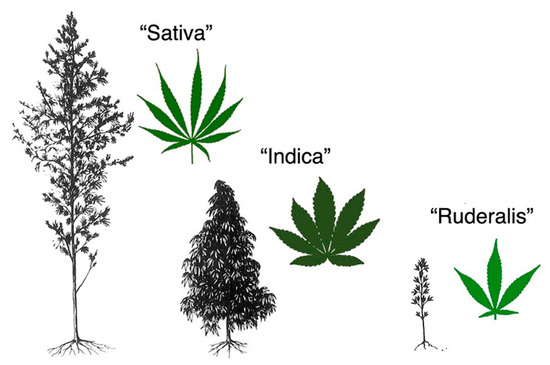
Phytocannabinoids (terpenophenolic compounds derived from the plant), include the well-known psychoactive cannabinoid Δ9-tetrahydrocannabinol, and many non-psychoactive cannabinoids, like cannabidiol.

The endocannabinoid system (ECS) comprises of endocannabinoid ligands, enzymes for synthesis and degradation of such ligands, and receptors. This system is widely distributed in the gastrointestinal tract, where phytocannabinoids exert potent effects, particularly under pathological (i.e., inflammatory) conditions.

Herein, we will first look at the hemp plant as a possible source of new functional food ingredients and nutraceuticals that might be eventually useful to treat or even prevent gastrointestinal conditions.

Subsequently, we will briefly describe the ECS and the general pharmacology of phytocannabinoids. Finally, we will revise the available data showing that non-psychoactive phytocannabinoids, particularly cannabidiol, may be useful to treat different disorders and diseases of the gastrointestinal tract.

With the increasing interest in the development of functional foods for a healthy life, the non-psychoactive phytocannabinoids are hoped to find a place as nutraceuticals and food ingredients also for a healthy gastrointestinal tract function.”

https://www.ncbi.nlm.nih.gov/pubmed/32357565

https://www.mdpi.com/1422-0067/21/9/3067

Targeting the Endocannabinoid System in Borderline Personality Disorder.

“Borderline Personality Disorder (BPD) is a chronic debilitating psychiatric disorder characterized mainly by emotional instability, chaotic interpersonal relationships, cognitive disturbance (e.g. dissociation and suicidal thoughts) and maladaptive behaviors. BPD has a high rate of comorbidity with other mental disorders and high burden on society.

In this review, we focus on two compromised brain regions in BPD – the hypothalamus and the corticolimbic system, emphasizing the involvement and potential contribution of the endocannabinoid system (ECS) to improvement in symptoms and coping.

The hypothalamus-regulated endocrine axes (hypothalamic pituitary – gonadal, thyroid & adrenal) have been found to be dysregulated in BPD. There is also substantial evidence for limbic system structural and functional changes in BPD, especially in amygdala and hippocampus, including cortical regions within the corticolimbic system.

Extensive expression of CB1 and CB2 receptors of the ECS has been found in limbic regions and the hypothalamus. This opens new windows of opportunity for treatment with cannabinoids such as cannabidiol (CBD) as no other pharmacological treatment has shown long-lasting improvement in the BPD population to date.

This review aims to show the potential role of the ECS in BPD patients through their most affected brain regions, the hypothalamus and the corticolimbic system. The literature reviewed does not allow for general indications of treatment with CBD in BPD. However, there is enough knowledge to indicate a treatment ratio of high level of CBD to low level of THC.

A randomized controlled trial investigating the efficacy of cannabinoid based treatments in BPD is warranted.”

https://www.ncbi.nlm.nih.gov/pubmed/32351183

http://www.eurekaselect.com/181504/article

Sensitivity of the Fasciae to the Endocannabinoid System: Production of Hyaluronan-Rich Vesicles and Potential Peripheral Effects of Cannabinoids in Fascial Tissue.

ijms-logo “The demonstrated expression of endocannabinoid receptors in myofascial tissue suggested the role of fascia as a source and modulator of pain.

Fibroblasts can modulate the production of the various components of the extracellular matrix, according to type of stimuli: physical, mechanical, hormonal, and pharmacological. In this work, fascial fibroblasts were isolated from small samples of human fascia lata of the thigh, collected from three volunteer patients (two men, one woman) during orthopedic surgery.

This text demonstrates for the first time that the agonist of cannabinoid receptor 2, HU-308, can lead to in vitro production of hyaluronan-rich vesicles only 3-4 h after treatment, being rapidly released into the extracellular environment. We demonstrated that these vesicles are rich in hyaluronan after Alcian blue and Toluidine blue stainings, immunocytochemistry, and transmission electron microscopy. In addition, incubation with the antagonist AM630 blocked vesicles production by cells, confirming that release of hyaluronan is a cannabinoid-mediated effect.

These results may show how fascial cells respond to the endocannabinoid system by regulating and remodeling the formation of the extracellular matrix. This is a first step in our understanding of how therapeutic applications of cannabinoids to treat pain may also have a peripheral effect, altering the biosynthesis of the extracellular matrix in fasciae and, consequently, remodeling the tissue and its properties.”

https://www.ncbi.nlm.nih.gov/pubmed/32331297

https://www.mdpi.com/1422-0067/21/8/2936

Potential therapeutic treatments of cancer-induced bone pain.

Current Opinion in Supportive and Palliative Care “The treatment of cancer-induced bone pain (CIBP) has been proven ineffective and relies heavily on opioids, the target of highly visible criticism for their negative side effects.
Alternative therapeutic agents are needed and the last few years have brought promising results, detailed in this review.

RECENT FINDINGS:

Cysteine/glutamate antiporter system, xc, cannabinoids, kappa opioids, and a ceramide axis have all been shown to have potential as novel therapeutic targets without the negative effects of opioids.

SUMMARY:

Review of the most recent and promising studies involving CIBP, specifically within murine models. Cancer pain has been reported by 30-50% of all cancer patients and even more in late stages, however the standard of care is not effective to treat CIBP. The complicated and chronic nature of this type of pain response renders over the counter analgesics and opioids largely ineffective as well as difficult to use due to unwanted side effects. Preclinical studies have been standardized and replicated while novel treatments have been explored utilizing various alternative receptor pathways: cysteine/glutamate antiporter system, xc, cannabinoid type 1 receptor, kappa opioids, and a ceramide axis sphingosine-1-phosphate/sphingosine-1-phosphate receptor 1.”

https://www.ncbi.nlm.nih.gov/pubmed/32349095


Parents’ experiences using medical cannabis for their child.

Nursing Outlook (@NursingOutlook) | Twitter“Parents across the United States use medical cannabis for their children, often without professional guidance. These parents have become more expert on medical cannabis than most health professionals.

Using a case-study design, this study was conducted to describe the experience of parents using medical cannabis for relief of seizures in their child or dependent.

Themes revealed a complex, multifaceted experience. Many parents report benefit from medical cannabis, and are not hindered by the financial costs or uncertainties. Political and social influences have significant impact on the stigmatization and normalization of cannabis.”

https://www.ncbi.nlm.nih.gov/pubmed/32334826

“Parents across the United States are using cannabis to treat their child’s epilepsy.”

https://www.nursingoutlook.org/article/S0029-6554(19)30195-2/pdf

Innovative methods for the preparation of medical Cannabis oils with a high content of both cannabinoids and terpenes.

Journal of Pharmaceutical and Biomedical Analysis“Cannabis-based medications are being increasingly used for the treatment of different clinical conditions.

Among all galenic formulations, olive oil extracts from medical Cannabis are the most prescribed ones for their easy preparation and usage. A great variety of methods have been described so far for the extraction of medical Cannabis oils to reach a high yield of Δ9-tetrahydrocannabinol (Δ9-THC), but poor attention has been paid to the preservation of the terpene fraction from the plant, which may contribute to the overall bioactivity of the extracts.

In this context, the present study was aimed at the chemical characterization of different medical Cannabis oils prepared by following both innovative and existing extraction protocols, with particular attention to cannabinoids and terpenes, in order to set up a suitable method to obtain an extract rich in these chemical classes. In particular, six different extraction procedures were followed, based on different techniques, of which all but one included a decarboxylation of the plant material.

The profile of cannabinoids was studied in detail by means of HPLC-ESI-MS/MS, while terpenes were characterized by means both GC-MS and GC-FID techniques coupled with solid-phase microextraction operated in the head-space mode (HS-SPME). An innovative method that is based on the extraction of the oil by dynamic maceration at room temperature from plant inflorescences, which were partially decarboxylated in a closed system at a moderate temperature and partially pre-extracted with ethanol, produced similar yields of bioactive compounds as that obtained by using a microwave-assisted distillation of the essential oil from the plant material, in combination with a maceration extraction of the oil from the residue.

Both these new methods provided a higher efficiency over already existing extraction procedures of medical Cannabis oils and they can be applied to obtain a product with a high therapeutic value.”

https://www.ncbi.nlm.nih.gov/pubmed/32334134

“New methods were developed for the extraction of medical Cannabis oils.”

https://www.sciencedirect.com/science/article/abs/pii/S0731708520303897?via%3Dihub

Cannabis and cannabinoids in cancer pain management.

 Current Opinion in Supportive and Palliative Care | Apps | 148Apps“An increasing number of patients are turning to cannabis and cannabinoids for management of their palliative and nonpalliative cancer pain and other cancer-related symptoms.

Canadians have a legal framework for access to medical cannabis, which provides a unique perspective in a setting lacking robust clinical evidence. This review seeks to delineate the role of cannabis and cannabinoids in cancer pain management and offers insight into the Canadian practice.

RECENT FINDINGS:

A cohort study using nabiximols on advanced cancer pain in patients already optimized on opioids, over 3 weeks, demonstrated improved average pain score. A large observational study of cancer patients using cannabis over 6 months demonstrated a decreased number of patients with severe pain and decreased opioid use, whereas the number of patients reporting good quality of life increased.

SUMMARY:

Good preclinical animal data and a large body of observational evidence point to the potential efficacy of cannabinoids for cancer pain management. However, there are relatively weak data pointing to clinical efficacy from clinical trial data to date. In Canada, the burgeoning cannabis industry has driven the population to embrace a medicine before clinical evidence. There remains a need for high-quality randomized controlled trials to properly assess the effectiveness and safety of medical cannabis, compared with placebo and standard treatments for cancer-related symptoms.”

https://www.ncbi.nlm.nih.gov/pubmed/32332209

https://journals.lww.com/pages/results.aspx?txtKeywords=10.1097%2fSPC.0000000000000493