
“A number of studies have consistently shown that cannabinoids are able to prevent or reduce carcinogenesis in different animal models of colon cancer. Cannabinoids, via CB1 and possibly CB2 receptors, suppress proliferation and migration and stimulate apoptosis in colorectal cancer cells. Convincing scientific evidence suggests that cannabinoids, in addition to their well-known use in palliative care in oncology (e.g. improvement of appetite, attenuation of nausea associated to antitumoral medicines, alleviation of moderate neuropathic pain) can reduce, via antiproliferative and proapoptotic as well as by inhibiting angiogenesis, invasion and metastasis or by attenuating inflammation, the growth of cancer cells and hinder the development of experimental colon carcinogenesis in vivo.” https://www.tandfonline.com/doi/full/10.1080/17474124.2017.1367663?src=recsys]]>
Cannabinoids as potential new therapy for the treatment of gliomas

“Gliomas constitute the most frequent and malignant primary brain tumors. Current standard therapeutic strategies (surgery, radiotherapy and chemotherapeutics, e.g., temozolomide, carmustin or carboplatin) for their treatment are only palliative and survival diagnosis is normally 6-12 months.
The development of new therapeutic strategies for the management of gliomas is therefore essential.
Interestingly, cannabinoids have been shown to exert antiproliferative effects on a wide spectrum of cells in culture.
Of interest, cannabinoids have displayed a great potency in reducing glioma tumor growth either in vitro or in animal experimental models, curbing the growth of xenografts generated by subcutaneous or intratecal injection of glioma cells in immune-deficient mice.
Moreover, cannabinoids appear to be selective antitumoral agents as they kill glioma cells without affecting the viability of nontransformed counterparts.
A pilot clinical trial on patients with glioblastoma multiforme demonstrated their good safety profile together and remarkable antitumor effects, and may set the basis for further studies aimed at better evaluating the potential anticancer activity of cannabinoids.”
Cannabinoids as a Promising Therapeutic Approach for the Treatment of Glioblastoma Multiforme: A Literature Review
“Gliobalstoma multiforme (GBM) or grade 4 astrocytoma is the most malignant form of primary brain tumor. Treatment of glioblastoma is difficult despite of surgery, radiotherapy and chemotherapy. Patients with glioblastoma survive for less than 12 months. Considering to biology function of glioblastoma, researchers have recently offered new therapeutic approaches such as cannabinoid therapy for glioblastoma. Cannabinoids are active compounds of Cannabis sativa that operate in the body similar to endogenous canabinoids –the endocannabinoids- through cell surface receptors. It is interesting that cannabinoids could exert a wide spectrum from antiproliferative effects in condition of the cell culture, animal models of glioblastoma and clinical trials. As a result, Cannabinoids seem to modulate intracellular signaling pathways and the endoplasmic reticulum stress response in glioma cells. Those play antitumoral effects through apoptosis induction and inhibition of glioblastoma angiogenesis. The goal of this study was to discuss cannabinoid therapy and also what cellular mechanisms are involved in the tumoricidal effect of the cannabinoids. In this review article, we will focus on cannabinoids, their receptor dependent functional roles against glioblastoma acccording to growth, angiogenesis, metastasis, and future purposes in exploring new possible therapeutic opportunities.” http://journals.sbmu.ac.ir/Neuroscience/article/view/13655]]>
Cannabinoids in Glioblastoma Therapy: New Applications for Old Drugs
“Glioblastoma (GBM) is the most malignant brain tumor and one of the deadliest types of solid cancer overall. Despite aggressive therapeutic approaches consisting of maximum safe surgical resection and radio-chemotherapy, more than 95% of GBM patients die within 5 years after diagnosis. Thus, there is still an urgent need to develop novel therapeutic strategies against this disease. Accumulating evidence indicates that cannabinoids have potent anti-tumor functions and might be used successfully in the treatment of GBM. This review article summarizes the latest findings on the molecular effects of cannabinoids on GBM, both in vitro and in (pre-) clinical studies in animal models and patients. The therapeutic effect of cannabinoids is based on reduction of tumor growth via inhibition of tumor proliferation and angiogenesis but also via induction of tumor cell death. Additionally, cannabinoids were shown to inhibit the invasiveness and the stem cell-like properties of GBM tumors. Recent phase II clinical trials indicated positive results regarding the survival of GBM patients upon cannabinoid treatment. Apart from a direct killing effect on tumor cells, cannabinoids can also induce cell cycle arrest thereby inhibiting tumor cell proliferation. In conclusion, cannabinoids show promising anti-neoplastic functions in GBM by targeting multiple cancer hallmarks such as resistance to programmed cell death, neoangiogenesis, tissue invasion or stem cell-induced replicative immortality. The effects of cannabinoids can be potentially enhanced by combination of different cannabinoids with each other or with chemotherapeutic agents. This requires, however, a detailed understanding of cannabinoid-induced molecular mechanisms and pharmacological effects. Ultimately, these findings might foster the development of improved therapeutic strategies against GBM and, perhaps, other diseases of the nervous system as well.” https://www.frontiersin.org/articles/10.3389/fnmol.2018.00159/full “Accumulating evidence indicates that cannabinoids have potent anti-tumor functions and might be used successfully in the treatment of GBM.” https://www.ncbi.nlm.nih.gov/pubmed/29867351]]>
Endocannabinoid system and anticancer properties of cannabinoids
“Cannabinoids impact human body by binding to cannabinoids receptors (CB1 and CB2). The two main phytocannabinoids are Δ9-tetrahydrocannabinol (THC) and cannabidiol (CBD). THC interacts with CB1 receptors occurring in central nervous system and is responsible for psychoactive properties of marijuana. CBD has low affinity to CB1 receptor, has no psychoactive characteristics and its medical applications can be wider. CB receptors are part of a complex machinery involved in regulation of many physiological processes – endocannabinoid system. Cannabinoids have found some applications in palliative medicine, but there are many reports concerning their anticancer affects. Agonists of CB1 receptors stimulate accumulation of ceramides in cancer cells, stress of endoplasmic reticulum (ER stress) and, in turn, apoptosis. Effects of cannabinoids showing low affinity to CB receptors is mediated probably by induction of reactive oxygen species production. Knowledge of antitumor activity of cannabinoids is still based only on preclinical studies and there is a necessity to conduct more experiments to assess the real potential of these compounds.” https://content.sciendo.com/view/journals/fobio/12/1/article-p11.xml]]>
Self-initiated use of topical cannabidiol oil for epidermolysis bullosa.
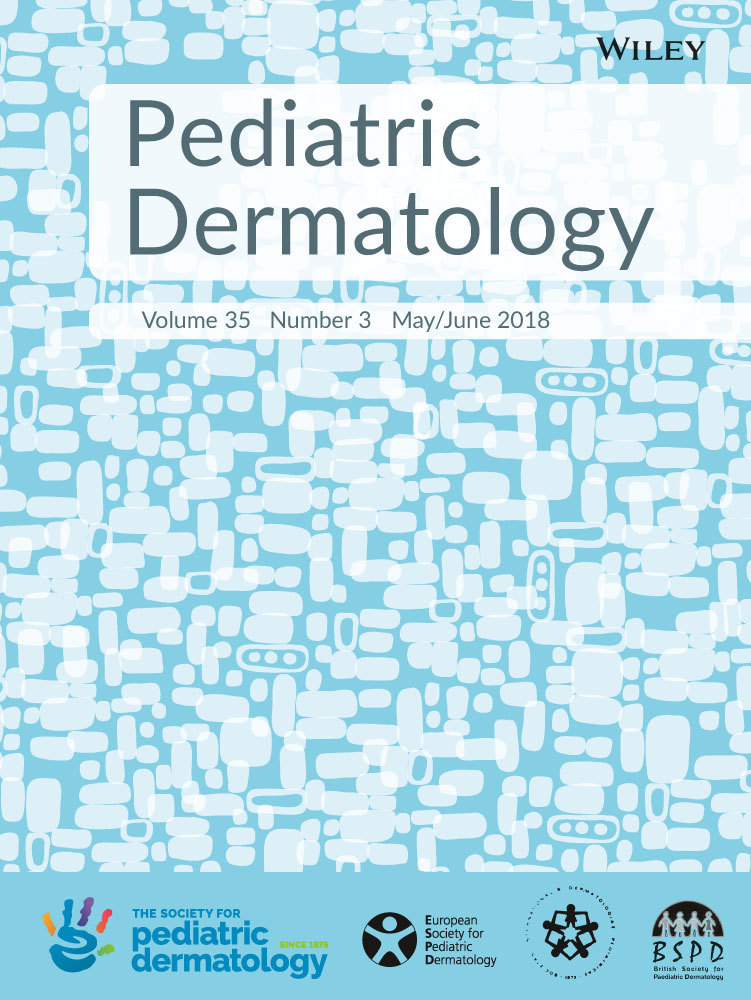 “Epidermolysis bullosa is a rare blistering skin disorder that is challenging to manage because skin fragility and repeated wound healing cause itching, pain, limited mobility, and recurrent infections.
Cannabidiol, an active cannabinoid found in cannabis, is postulated to have antiinflammatory and analgesic effects.
We report 3 cases of self-initiated topical cannabidiol use in patients with epidermolysis bullosa in an observational study.
One patient was weaned completely off oral opioid analgesics. All 3 reported faster wound healing, less blistering, and amelioration of pain with cannabidiol use.
Although these results demonstrate promise, further randomized, double-blind clinical trials are necessary to provide scientific evidence of our observed benefits of cannabidiol for the treatment of epidermolysis bullosa.”
https://www.ncbi.nlm.nih.gov/pubmed/29786144
https://onlinelibrary.wiley.com/doi/abs/10.1111/pde.13545
“Epidermolysis bullosa is a rare blistering skin disorder that is challenging to manage because skin fragility and repeated wound healing cause itching, pain, limited mobility, and recurrent infections.
Cannabidiol, an active cannabinoid found in cannabis, is postulated to have antiinflammatory and analgesic effects.
We report 3 cases of self-initiated topical cannabidiol use in patients with epidermolysis bullosa in an observational study.
One patient was weaned completely off oral opioid analgesics. All 3 reported faster wound healing, less blistering, and amelioration of pain with cannabidiol use.
Although these results demonstrate promise, further randomized, double-blind clinical trials are necessary to provide scientific evidence of our observed benefits of cannabidiol for the treatment of epidermolysis bullosa.”
https://www.ncbi.nlm.nih.gov/pubmed/29786144
https://onlinelibrary.wiley.com/doi/abs/10.1111/pde.13545

 “We evaluated the effects of the non-psychoactive cannabinoid
  “Psychosocial stress contributes to the development of psychiatric disorders. Repeated social defeat (RSD) is a murine stressor that causes a release of inflammatory monocytes into circulation. Moreover, RSD-induced anxiety-like behavior is dependent on the recruitment of these monocytes to the brain.
Activation of the endocannabinoid (ECB) system may modulate both neuroendocrine and inflammatory responses mediated by stress. Therefore, we hypothesized that a cannabinoid receptor agonist would attenuate RSD-induced inflammation, anxiety, and stress sensitization.
In conclusion, activation of cannabinoid receptors limited the immune and neuroinflammatory responses to RSD and reversed the short-term and long-term behavioral deficits associated with RSD.”
“Psychosocial stress contributes to the development of psychiatric disorders. Repeated social defeat (RSD) is a murine stressor that causes a release of inflammatory monocytes into circulation. Moreover, RSD-induced anxiety-like behavior is dependent on the recruitment of these monocytes to the brain.
Activation of the endocannabinoid (ECB) system may modulate both neuroendocrine and inflammatory responses mediated by stress. Therefore, we hypothesized that a cannabinoid receptor agonist would attenuate RSD-induced inflammation, anxiety, and stress sensitization.
In conclusion, activation of cannabinoid receptors limited the immune and neuroinflammatory responses to RSD and reversed the short-term and long-term behavioral deficits associated with RSD.”
 “Tumor necrosis factor-α (TNF-α) is an established pain modulator in the peripheral nervous system. Elevated levels of TNF-α in dorsal root ganglion (DRG) neurons reportedly is critical for neuropathic pain processing. It has been shown that the production of nitric oxide, a key player in the development and maintenance of nociception, depends on the expression of nitric oxide synthases (NOSs) and their activities.
Accumulating evidence also supports an important role of cannabinoids in modulating neuropathic pain.
In this study, we explored the effects and the underlying mechanisms of crosstalk between TNF-α and cannabinoid on the expression/activity of NOS in DRG neurons.
Our findings suggest that TNF-α induces the expression/activity of nNOS in DRG neurons by increasing its mRNA stability by a p38 MAPK-dependent mechanism; WIN-55 inhibits this effect of TNF-α by inhibiting p38 MAPK via CB2.
By linking the functions of TNF-α, NOS and cannabinoid in DRG neurons, this study adds new insights into the molecular mechanisms underlying the pharmacologic effects of cannabinoids on neuropathic pain as well as into the pathophysiology of neuropathic pain.”
“Tumor necrosis factor-α (TNF-α) is an established pain modulator in the peripheral nervous system. Elevated levels of TNF-α in dorsal root ganglion (DRG) neurons reportedly is critical for neuropathic pain processing. It has been shown that the production of nitric oxide, a key player in the development and maintenance of nociception, depends on the expression of nitric oxide synthases (NOSs) and their activities.
Accumulating evidence also supports an important role of cannabinoids in modulating neuropathic pain.
In this study, we explored the effects and the underlying mechanisms of crosstalk between TNF-α and cannabinoid on the expression/activity of NOS in DRG neurons.
Our findings suggest that TNF-α induces the expression/activity of nNOS in DRG neurons by increasing its mRNA stability by a p38 MAPK-dependent mechanism; WIN-55 inhibits this effect of TNF-α by inhibiting p38 MAPK via CB2.
By linking the functions of TNF-α, NOS and cannabinoid in DRG neurons, this study adds new insights into the molecular mechanisms underlying the pharmacologic effects of cannabinoids on neuropathic pain as well as into the pathophysiology of neuropathic pain.”