In vitro Antimicrobial and Antioxidant Activity of Extracts from Six Chemotypes of Medicinal Cannabis

“Nowadays, medicinal cannabis (Cannabis sativa L) is in the focus of the researches not only for its high content of tetrahydrocannabinol (THC), but for other cannabinoids as well.

It has been reported that some of the identified substances (e.g. cannabidiol, cannabinochromene) possess anti-inflammatory and antimicrobial properties, which corresponds to its traditional use as wound healing agent at Pakistan.

The aim of this study was to evaluate antimicrobial and antioxidant ability of extracts from high potent Cannabis sativa chemotypes.

The six ethanolic extracts prepared from dried inflorescence of five medicinal cannabis chemotypes (Nurse Jackie, Jilly Bean, Nordle, Jack Cleaner, Conspiracy Kush) were tested by standard microdilution method against Staphylococcus aureus (three strains), Streptococcus pyogenes and the yeast Candida albicans.

Those microbial strains are present on skin and can cause complication during wound healing process.

The antioxidative activity, which plays an important role in wound healing process, was tested by oxygen radical absorbance capacity test (ORAC).

All tested extracts demonstrated high antimicrobial activity against two strains of S. aureus and S. pyogenes (MIC ranged from 4 – 16 µg·mL-1), moreover high antioxidant capacity was observed (ORAC ranged from 800 – 1300 µg TE/mg of extract).

The results indicate that cannabis has high potential to be used in ointments and other material for wound healing.

However, further research on the identification of the active components is needed.”

https://www.thieme-connect.com/DOI/DOI?10.1055/s-0036-1596302

Inhibition of cervical cancer cell proliferation by cannabidiol

“Seventy phytocannabinoids are now known to be synthesized by Cannabis sativa (marijuana)]. The major non-psychoactive cannabinoid cannabidiol (CBD) exhibits antiproliferative effects against breast, cervix, colon, glioma, leukemia, ovary, prostate, and thyroid cancer cells. In this study, we investigated the antiproliferative effect of CBD on the ME-180 cervical cancer cell line. The results of our study suggest that CBD exerts its antiproliferative effect via multiple mechanisms, and it could be a potential treatment for cervical cancer.”

https://www.thieme-connect.com/DOI/DOI?10.1055/s-0036-1596862

IN VITRO ANTIMICROBIAL AND ANTIOXIDANT ACTIVITIES OF TWO MEDICINAL PLANTS AGAINST SOME CLINICALLY IMPORTANT BACTERIA

Image result for Lahore College for Women University

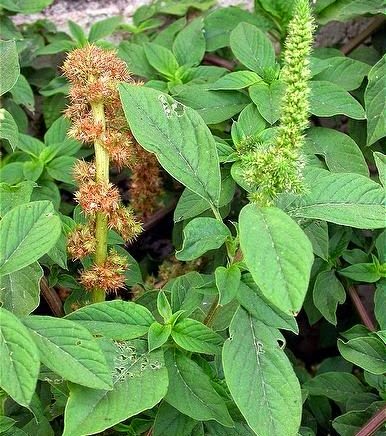
“The aim of the present study was to evaluate the antimicrobial potential of Amaranthus viridis (Chowlai) and Cannabis sativa (Bhang) against clinically important bacteria, Staphylococcus aureus, Klebsiella pneumonia, Pseudomonas aeruginosa and Escherichia coli.

The study revealed that leaves of A. viridis and C. sativa possess broad spectrum antimicrobial activity and natural antioxidants that can be of considerable pharmaceutical importance.

Leaf and stem extracts of A. viridis and C. sativa demonstrated a broad spectrum efficacy against Grampositive and Gram-negative bacteria. These plants also exhibited good antioxidant activity.”

https://fuuast.edu.pk/biology%20journal/images/pdfs/2016/june/paper17.pdf

Image result for Amaranthus viridis (Chaulai)

Image result for Cannabis sativa (Bhang)

The use of cannabinoids (CBs) for the treatment of chemotherapy-induced peripheral neuropathy (CIPN): A retrospective review.

Image result for J Clin Oncol.

“CIPN is a common toxicity associated with the use of chemotherapy (CT) agents such as platinums, taxanes and vinca alkaloids. Patients (pts) may suffer from pain that adversely affects their quality of life, regardless of their disease trajectory.

Preclinical research has shown CBs to be effective in preventing CIPN.

CBs can be beneficial for cancer pain, although their specific benefit in pts with CIPN remains unknown.

Treatment with CBs appears to benefit some pts with CIPN.

Further research is needed to explore the optimal use of CBs in pts with CIPN.”

https://www.ncbi.nlm.nih.gov/pubmed/27962037

An observational postmarketing safety registry of patients in the UK, Germany, and Switzerland who have been prescribed Sativex® (THC:CBD, nabiximols) oromucosal spray.

Image result for Journal of Therapeutics and Clinical Risk Management

“The global exposure of Sativex®9-tetrahydrocannabinol [THC]:cannabidiol [CBD], nabiximols) is estimated to be above 45,000 patient-years since it was given marketing approval for treating treatment-resistant spasticity in multiple sclerosis (MS).

An observational registry to collect safety data from patients receiving THC:CBD was set up following its approval in the UK, Germany, and Switzerland, with the aim of determining its long-term safety in clinical practice.

Twice a year, the Registry was opened to prescribing physicians to voluntarily report data on patients’ use of THC:CBD, clinically significant adverse events (AEs), and special interest events. The Registry contains data from 941 patients with 2,213.98 patient-years of exposure.

Within this cohort, 60% were reported as continuing treatment, while 83% were reported as benefiting from the treatment. Thirty-two percent of patients stopped treatment, with approximately one third citing lack of effectiveness and one quarter citing AEs.

Psychiatric AEs of clinical significance were reported in 6% of the patients, 6% reported falls requiring medical attention, and suicidality was reported in 2%. Driving ability was reported to have worsened in 2% of patients, but improved in 7%.

AEs were more common during the first month of treatment. The most common treatment-related AEs included dizziness (2.3%) and fatigue (1.7%).

There were no signals to indicate abuse, diversion, or dependence.

The long-term risk profile from the Registry is consistent with the known (labeled) safety profile of THC:CBD, and therefore supports it being a well-tolerated and beneficial medication for the treatment of MS spasticity.

No evidence of new long-term safety concerns has emerged.”

https://www.ncbi.nlm.nih.gov/pubmed/27956834

Cannabinoid 2 Receptor Agonist Improves Systemic Sensitivity to Insulin in High-Fat Diet/Streptozotocin-Induced Diabetic Mice.

Image result for cellular physiology and biochemistry

“The endocannabinoid signalling (ECS) system has been known to regulate glucose homeostasis.

Previous studies have suggested that the cannabinoid 2 (CB2) receptor may play a regulatory role on insulin secretion, immune modulation and insulin resistance.

Given that diabetes and insulin resistance are attributable to elevated inflammatory tone, we investigated the role of CB2 receptor on glucose tolerance and insulin sensitivity in high-fat diet (HFD)/streptozotocin (STZ)-induced mice.

Our data suggest a lipolytic role of SER601 in HFD/STZ-induced diabetic mice, which results in significant improvement of systemic insulin sensitivity.

Thus, the CB2 receptor may be considered a promising target for therapeutic development against insulin resistance and obesity-related diabetes.”

https://www.ncbi.nlm.nih.gov/pubmed/27960161

Fetal Syndrome of Endocannabinoid Deficiency (FSECD) In Maternal Obesity.

Image result for Med Hypotheses

“The theory of a fetal origin of adult diseases links many pathological conditions to very early life events and is known as a “developmental programming” phenomenon. The mechanisms of this phenomenon are not quite understood and have been explained by inflammation, stress, etc. In particular the epidemic of obesity, with more than 64% of women being overweight or obese, has been associated with conditions in later life such as mental disorders, diabetes, asthma, and irritable bowel syndrome.

Interestingly, these diseases were classified a decade ago as Clinical Syndrome of Endocannabinoid Deficiency (CECD), which was first described by Russo in 2004.

Cannabinoids have been used for the treatment of chronic pain for millenniums and act through the mechanism of “kick-starting” the components of the endogenous cannabinoid system (ECS).

ECS is a pharmacological target for the treatment of obesity, inflammation, cardiovascular and neuronal damage, and pain.

We hypothesize that the deteriorating effect of maternal obesity on offspring health is explained by the mechanism of Fetal Syndrome of Endocannabinoid Deficiency (FSECD), which accompanies maternal obesity. Here we provide support for this hypothesis.”

https://www.ncbi.nlm.nih.gov/pubmed/27959272

Tolerability of dronabinol alone, ondansetron alone and the combination of dronabinol plus ondansetron in delayed chemotherapy-induced nausea and vomiting.

Image result for J Clin Oncol.

“Dronabinol (Marinol), the synthetic version of tetrahydrocannabinol, is used to treat nausea and vomiting following cancer chemotherapy (CINV).

It has a unique mechanism of action (cannabinoid receptor binding) compared to the more frequently used serotonin receptor antagonists. Tolerability of dronabinol versus ondansetron and the combination of dronabinol plus ondansetron was explored in subjects with delayed CINV.

Dronabinol was well tolerated and resulted in few terminations due to adverse events. The low rate of CNS-related adverse events following D treatment may make it a suitable alternative to serotonin antagonist therapy for delayed CINV.”

https://www.ncbi.nlm.nih.gov/pubmed/27946950

Dronabinol treatment of delayed chemotherapy-induced nausea and vomiting (CINV).

Image result for J Clin Oncol.

“Dronabinol (MARINOL), synthetic tetrahydrocannabinol, binds to cannabinoid receptors and has antiemetic activity. To explore if this novel mechanism would be of benefit in delayed CINV, dronabinol was added to the prophylactic regimen for acute CINV and continued after chemotherapy.

Efficacy at Endpoint (LOCF) Conclusions: Dronabinol (D) was comparable to ondansetron (O) in total response and but was more effective in reducing nausea intensity and vomiting/retching. Results for the combination of DO were similar to either agent alone.

These results support conducting a larger study since D could become an attractive alternative to serotonin receptor antagonists in treating delayed CINV.”

https://www.ncbi.nlm.nih.gov/pubmed/27946578

Compensatory activation of cannabinoid CB2 receptor inhibition of GABA release in the rostral ventromedial medulla (RVM) in inflammatory pain.

Image result for J Neurosci

“The rostral ventromedial medulla (RVM) is a relay in the descending pain modulatory system and an important site of endocannabinoid modulation of pain.

These studies demonstrate that endocannabinoid signaling to CB1- and CB2-receptors in adult RVM is altered in persistent inflammation.

The emergence of CB2 receptor function in the RVM provides additional rationale for the development of CB2 receptor-selective agonists as useful therapeutics for chronic inflammatory pain.”

https://www.ncbi.nlm.nih.gov/pubmed/27940994